/
•
•
Detailed stories on technology startups, business and economic current affairs.
The union government has enacted a law that gives 11 major ports powers to develop real estate and commercial projects on their land without permission from local agencies. In the process, it has set itself up for conflicts with states and the general public.



Editor's note: Mumbai’s eastern waterfront is a vast expanse facing the Thane creek. Nearly 600 acres of sea-facing property here—a final frontier for one of the most densely populated cities in the world—is on offer for development. The land is owned by the Mumbai Port, one of the oldest in India and under the union government. Since 2018, the port and Mumbaikars have debated over how this prime property—which is not being used by the port for its activities—can be utilized. Should it be an open space, a hub of public amenities or a swanky business district with offices, hotels and malls? The port prepared a development plan in 2018, revised it in 2020 following public inputs, and is now awaiting a final nod from the Maharashtra government. Now, under a new central law that took effect this month, the port will not need the state government’s approval. In fact, it will not need any permission from local or state agencies, and can build whatever it wants on the land without even informing the general public. The new law—Major Port Authorities Act, …

The union government has enacted a law that gives 11 major ports powers to develop real estate and commercial projects on their land without permission from local agencies. In the process, it has set itself up for conflicts with states and the general public.
Editor's note: Mumbai’s eastern waterfront is a vast expanse facing the Thane creek. Nearly 600 acres of sea-facing property here—a final frontier for one of the most densely populated cities in the world—is on offer for development. The land is owned by the Mumbai Port, one of the oldest in India and under the union government. Since 2018, the port and Mumbaikars have debated over how this prime property—which is not being used by the port for its activities—can be utilized. Should it be an open space, a hub of public amenities or a swanky business district with offices, hotels and malls? The port prepared a development plan in 2018, revised it in 2020 following public inputs, and is now awaiting a final nod from the Maharashtra government. Now, under a new central law that took effect this month, the port will not need the state government’s approval. In fact, it will not need any permission from local or state agencies, and can build whatever it wants on the land without even informing the general public. The new law—Major Port Authorities Act, …
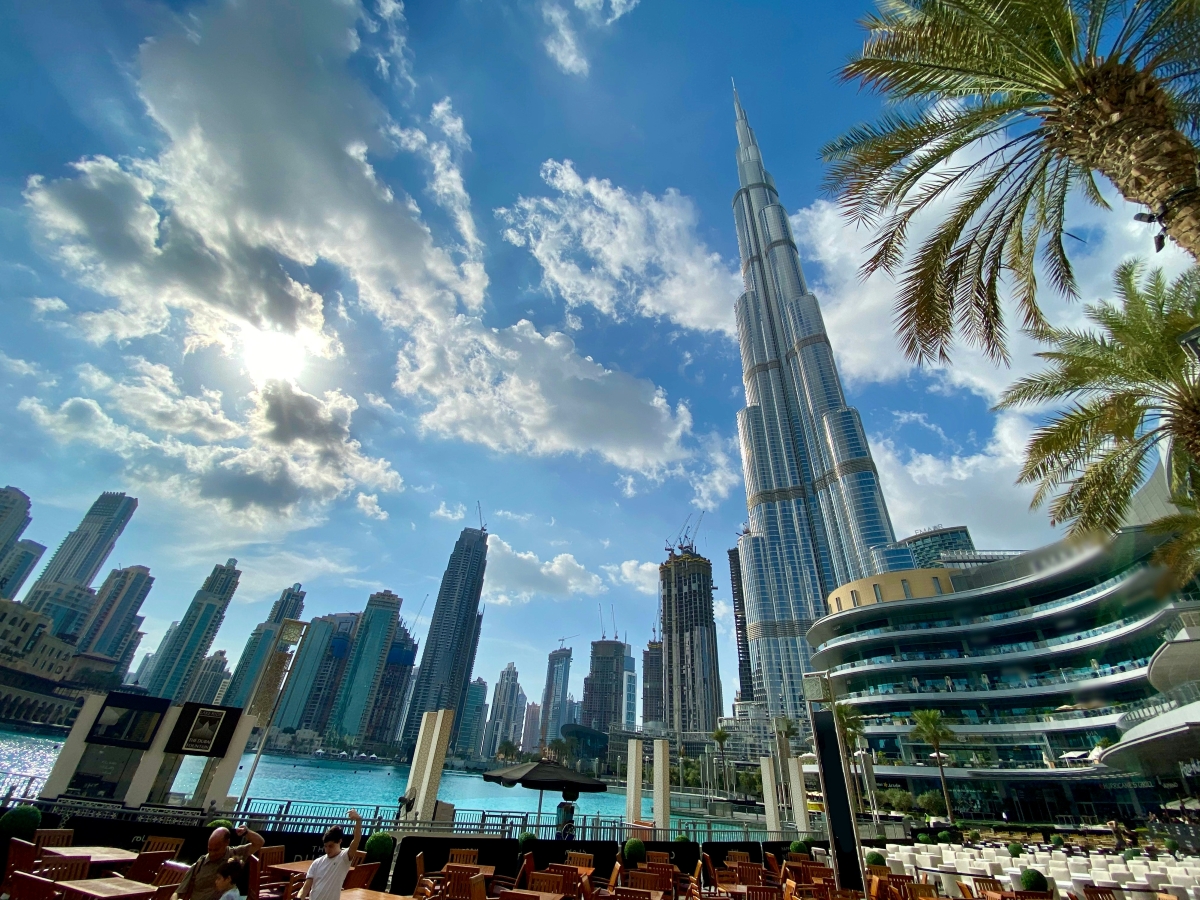
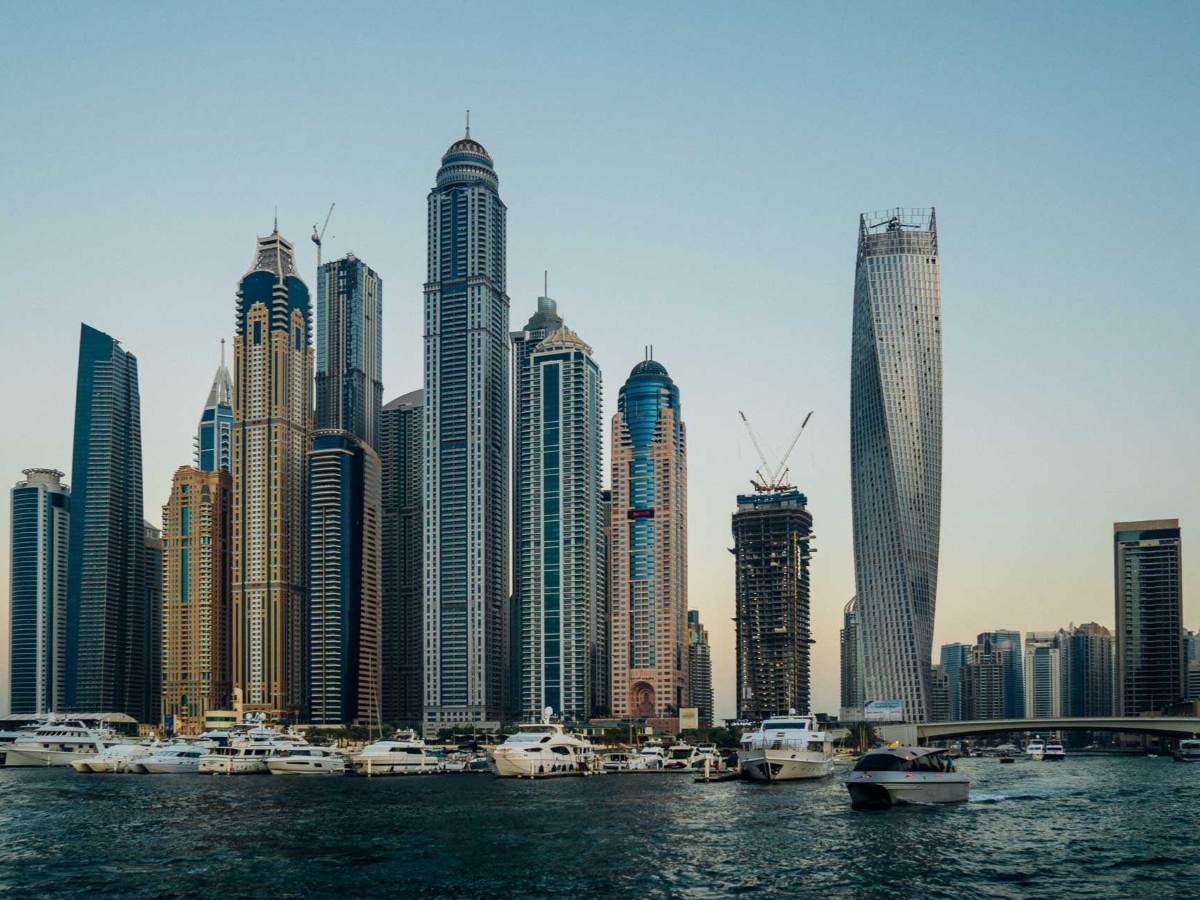
With no minimum investment threshold, the emirate is widening access to residency even as geopolitical risks cloud its appeal.

The window to prevent the worst impacts of climate change has shut. The heat is on global leaders at the annual climate talks in Brazil to deliver more than just theatre.

The Kanjurmarg landfill, operated by Antony Waste Handling Cell Ltd., is safe from the axe for now. But its fate remains a major source of worry for the company's shareholders and the city's residents alike.
With no minimum investment threshold, the emirate is widening access to residency even as geopolitical risks cloud its appeal.
The window to prevent the worst impacts of climate change has shut. The heat is on global leaders at the annual climate talks in Brazil to deliver more than just theatre.
The Kanjurmarg landfill, operated by Antony Waste Handling Cell Ltd., is safe from the axe for now. But its fate remains a major source of worry for the company's shareholders and the city's residents alike.