/
•
•
Detailed stories on technology startups, business and economic current affairs.
The Supreme Court has allowed clearances to be issued to projects after they have already come up in violation of environmental norms.



Editor's note: What’s common between Indian Institute of Technology Madras, Tata Steel, LG Polymers and chemical companies in Haryana? All have something to do with engineering—that’s the obvious bit. What’s less common is their tryst with India’s environmental regulations. All of them have been violators of rules that deal with the setting up of large industries and infrastructure projects. And all have, as a result, sought or received the help of a curious piece of legal fiction that has been created by the government of India and recently got the support of the Supreme Court. This fiction is called the ex post facto prior clearance. Let’s break down the jumble of words: prior means before a certain fact, ex post facto means after a certain fact. Logically speaking, only one of these would apply in a particular context. How is it possible to do both? And why would that make sense? The companies and institutions violated the law by not seeking prior clearance under the Environment Impact Assessment Notification, 2006. It is an approval issued by the union ministry of environment, forest …



The JSW Steel founder is embarking on an unprecedented expansion, betting on Japan’s JFE and Korea’s POSCO to share the load. But rivalries, debt and market risks could complicate the plan.
A sharper growth push from Tata Steel is reshaping a long-running contest with JSW Steel and shifting the market’s loyalties. But can it keep its expansion-hungry rival at bay?
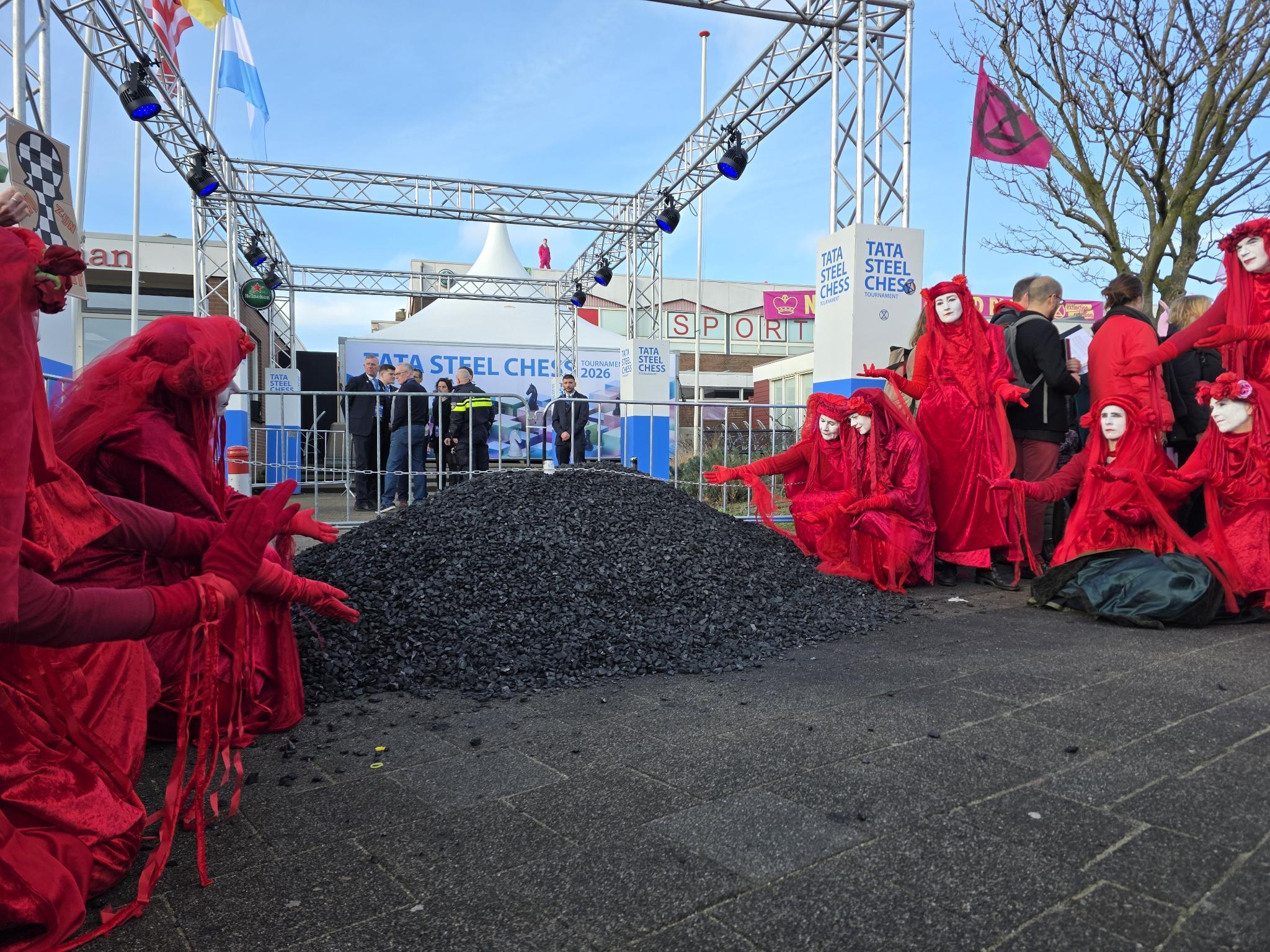
Tata Steel battles protests and litigation in the Netherlands. Separately, India’s solar market powers ahead and ESG investing redraws its boundaries.