/
•
•
Detailed stories on technology startups, business and economic current affairs.
As one of India’s most densely populated states and with over a million fisherfolk, Kerala is particularly vulnerable to the effects of climate change. What’s the way out?



Editor's note: N. Sathyarajan, a fisherman in Alappad village of Kerala, is a worried man. The sea, the source of his livelihood, is changing. He hasn’t heard about polar ice caps melting, global warming, or even climate change. But he knows that in his 75 years, the sea abutting his village has been rising and becoming a lot hotter. He offers me a rusted steel chair to sit on in his veranda and points to a neighbour’s house. A movie hall once stood at the spot, he says. “I still remember watching Jeevitha Nouka (a Malayalam film released in 1951). The place where the screen was is now under the sea...will you believe that? But that’s the truth." Sathyarajan says rising sea levels have wreaked havoc on his village in the last few decades. “We have lost our shore. We are losing our livelihood. We are losing everything. But as there is no place to go, we try to stay back till we lose this land too,” he says. Every person I meet in Alappad has the same story to tell. Karthik …
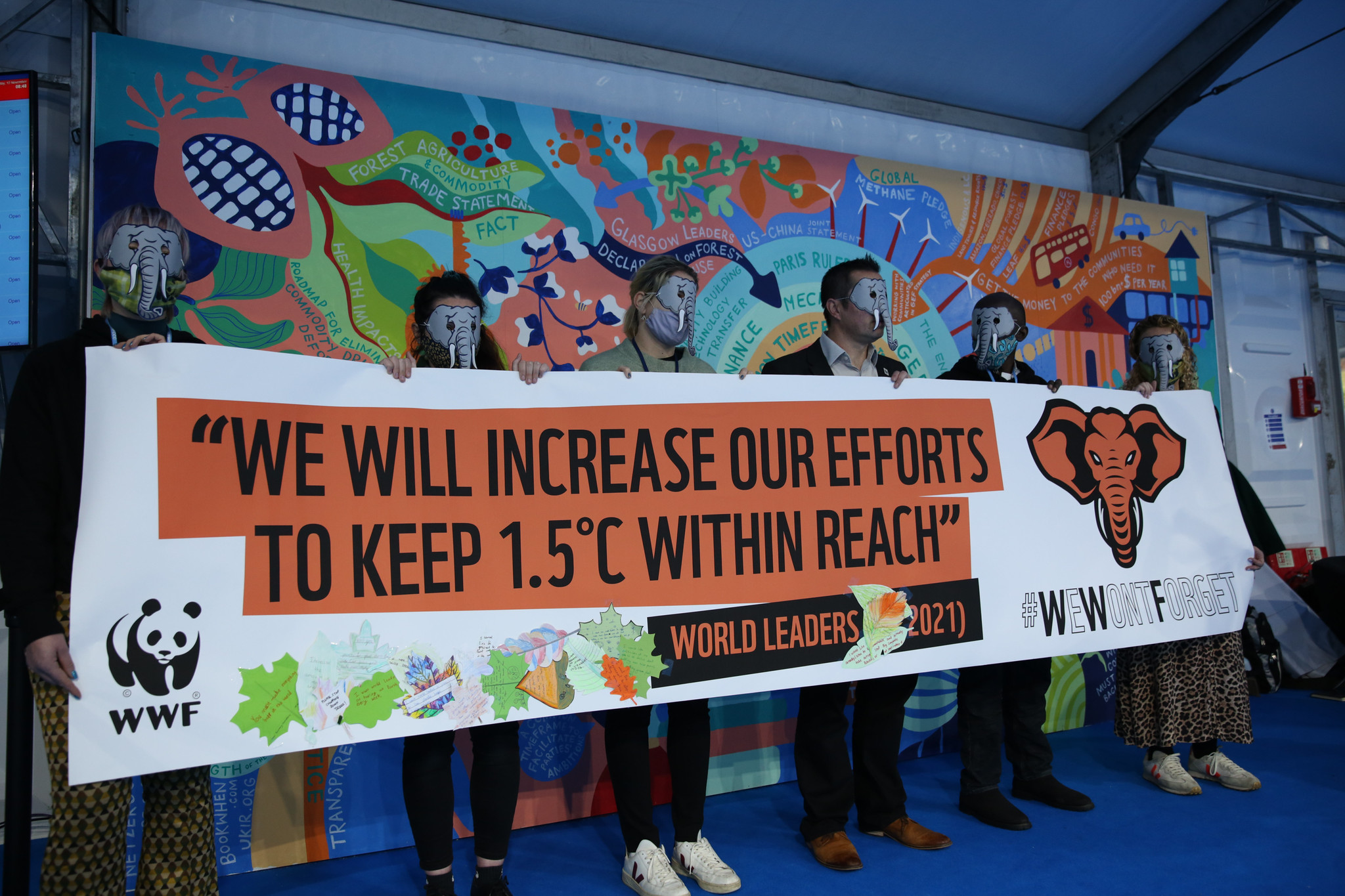
The window to prevent the worst impacts of climate change has shut. The heat is on global leaders at the annual climate talks in Brazil to deliver more than just theatre.

The Centre has proposed to open up the retail electricity market, hoping competition will fix India’s loss-making discoms. The states fear a power grab. The outcome will shape the next phase of India’s energy transition.

Decades of investment in health and social infrastructure went into getting the southern state’s infant mortality rate down to 5 deaths per 1,000 live births—far lower than the national average of 25.