/
•
•
Detailed stories on technology startups, business and economic current affairs.
An inflated public view of the military prowess will make it challenging for the country’s political leadership to step back from conflict.



Editor's note: In the 2004 Hindi film Swades, Shah Rukh Khan plays NASA scientist Mohan Bhargava who returns home to a village in India. Tired of Mohan’s sharp questions about the way things are in society, a village elder quizzes him: “Kya tum nahi maante humara desh duniya ka sabse mahaan desh hai? [Do you not believe that ours is the greatest country in the world?]” The same question was put to 7,000 Indian adults in April-May this year as part of a new survey for the Stimson Center, a non-profit, nonpartisan think tank based in Washington DC. The response was overwhelmingly nationalistic: 90% strongly or somewhat agreed with the statement that “India is a better country than most other countries”. The other responses were equally troubling. While 69.3% said India “definitely” or “probably” would defeat both China and Pakistan in a war, the figure climbed to 89.1% when it came to defeating only Pakistan. In what should both worry and please Washington DC, 56% said the United States would “definitely” or “probably” help India in the event of a war with …
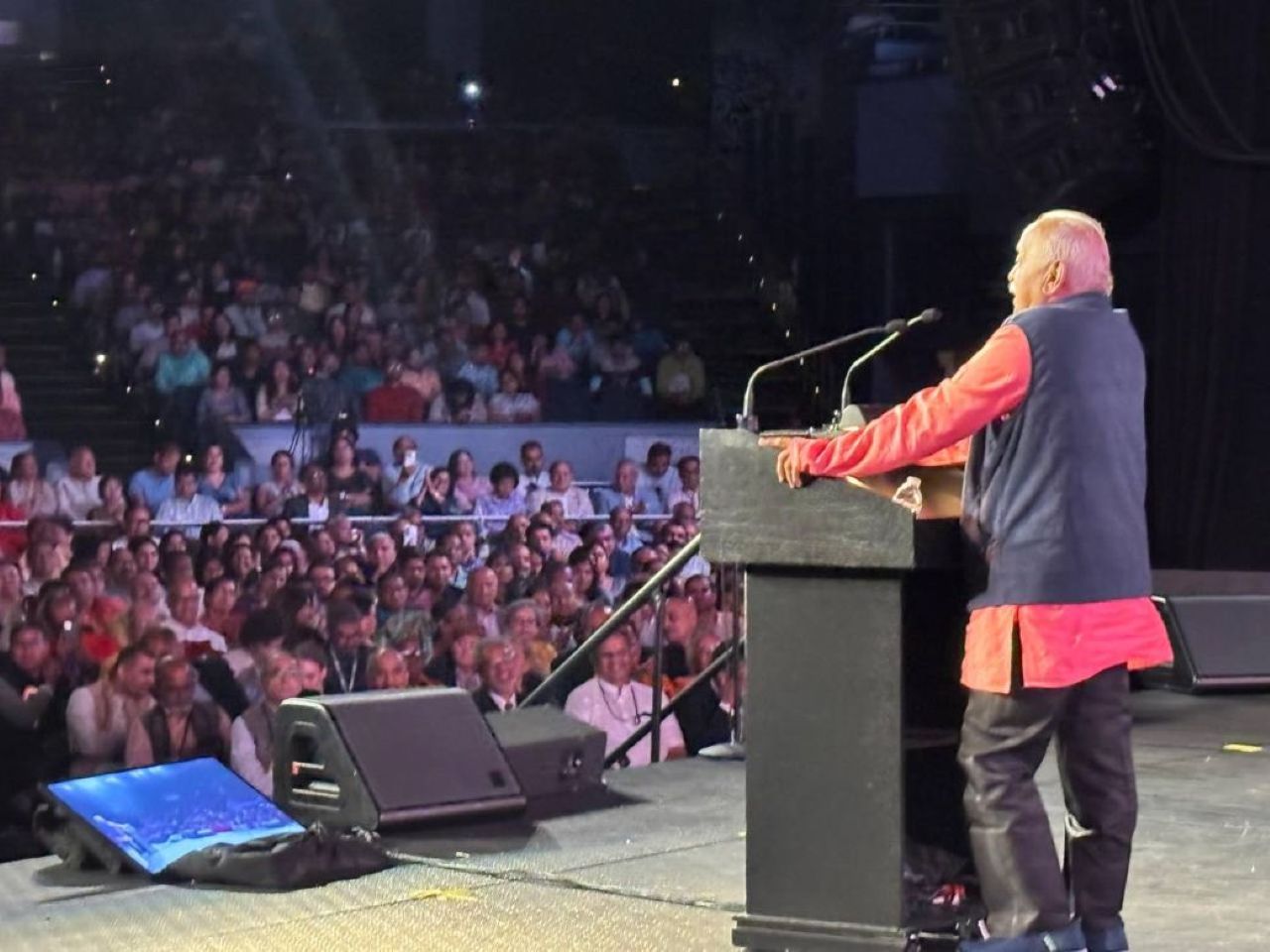
An inflated public view of the military prowess will make it challenging for the country’s political leadership to step back from conflict.
Editor's note: In the 2004 Hindi film Swades, Shah Rukh Khan plays NASA scientist Mohan Bhargava who returns home to a village in India. Tired of Mohan’s sharp questions about the way things are in society, a village elder quizzes him: “Kya tum nahi maante humara desh duniya ka sabse mahaan desh hai? [Do you not believe that ours is the greatest country in the world?]” The same question was put to 7,000 Indian adults in April-May this year as part of a new survey for the Stimson Center, a non-profit, nonpartisan think tank based in Washington DC. The response was overwhelmingly nationalistic: 90% strongly or somewhat agreed with the statement that “India is a better country than most other countries”. The other responses were equally troubling. While 69.3% said India “definitely” or “probably” would defeat both China and Pakistan in a war, the figure climbed to 89.1% when it came to defeating only Pakistan. In what should both worry and please Washington DC, 56% said the United States would “definitely” or “probably” help India in the event of a war with …
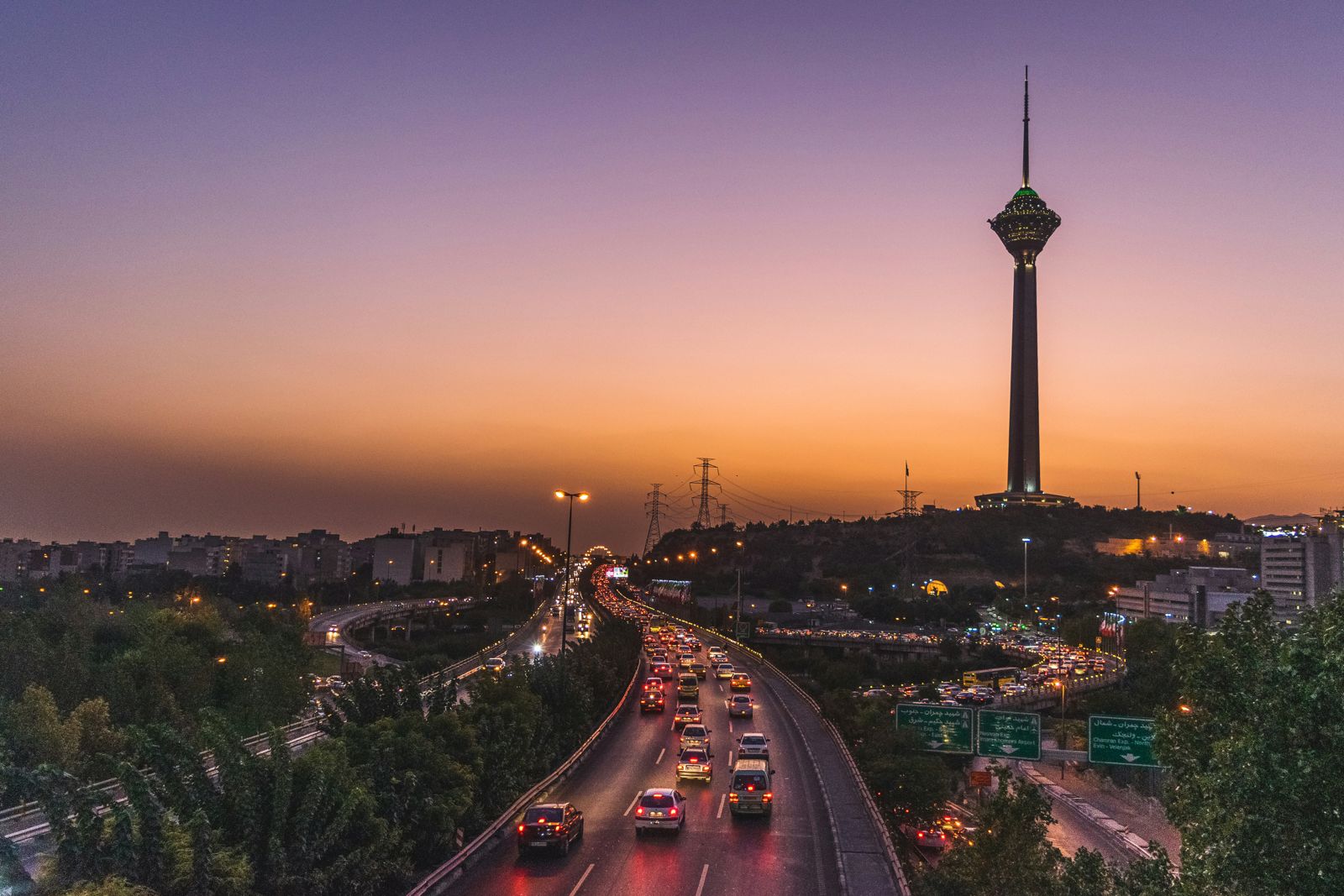
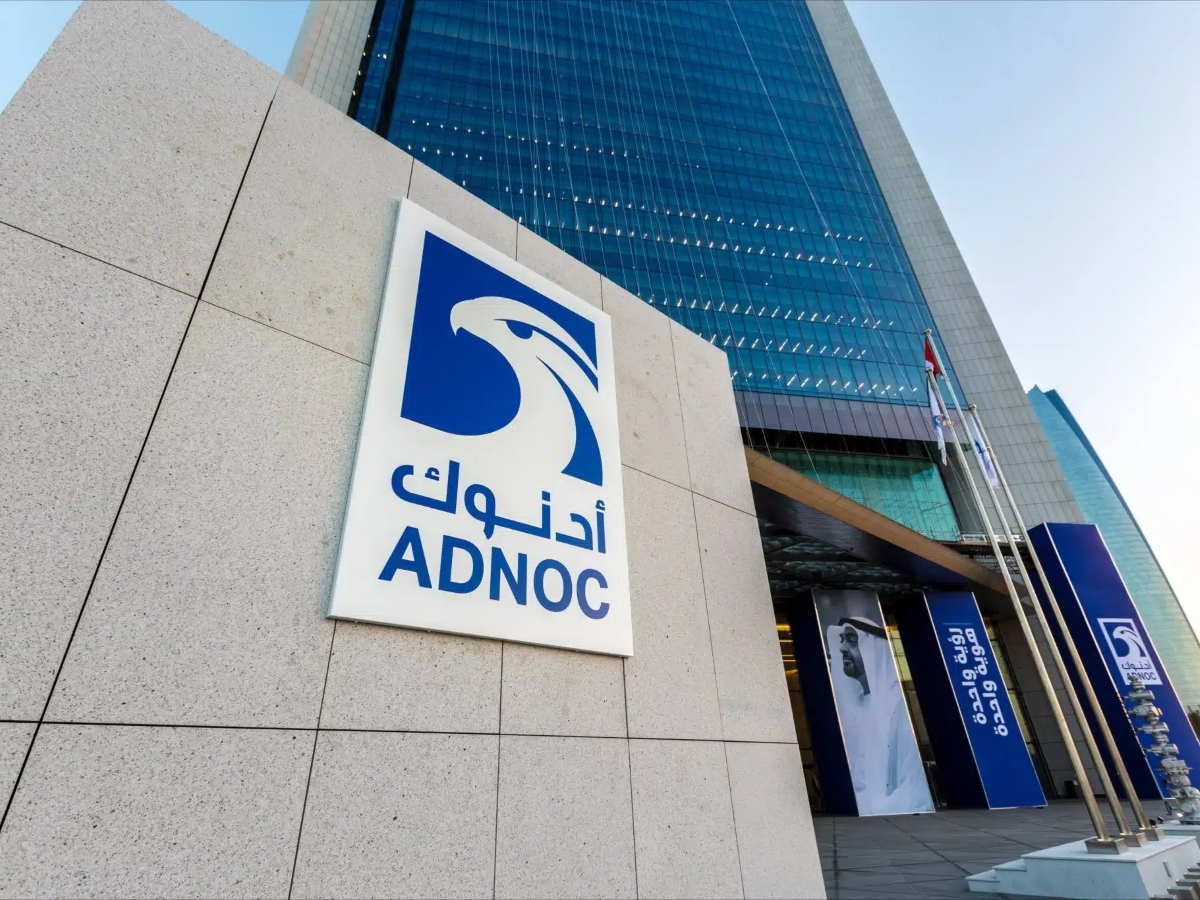
ADNOC’s strong numbers underline a strategy built on higher output, shipping gains and new routes that sidestep the risky Strait of Hormuz.
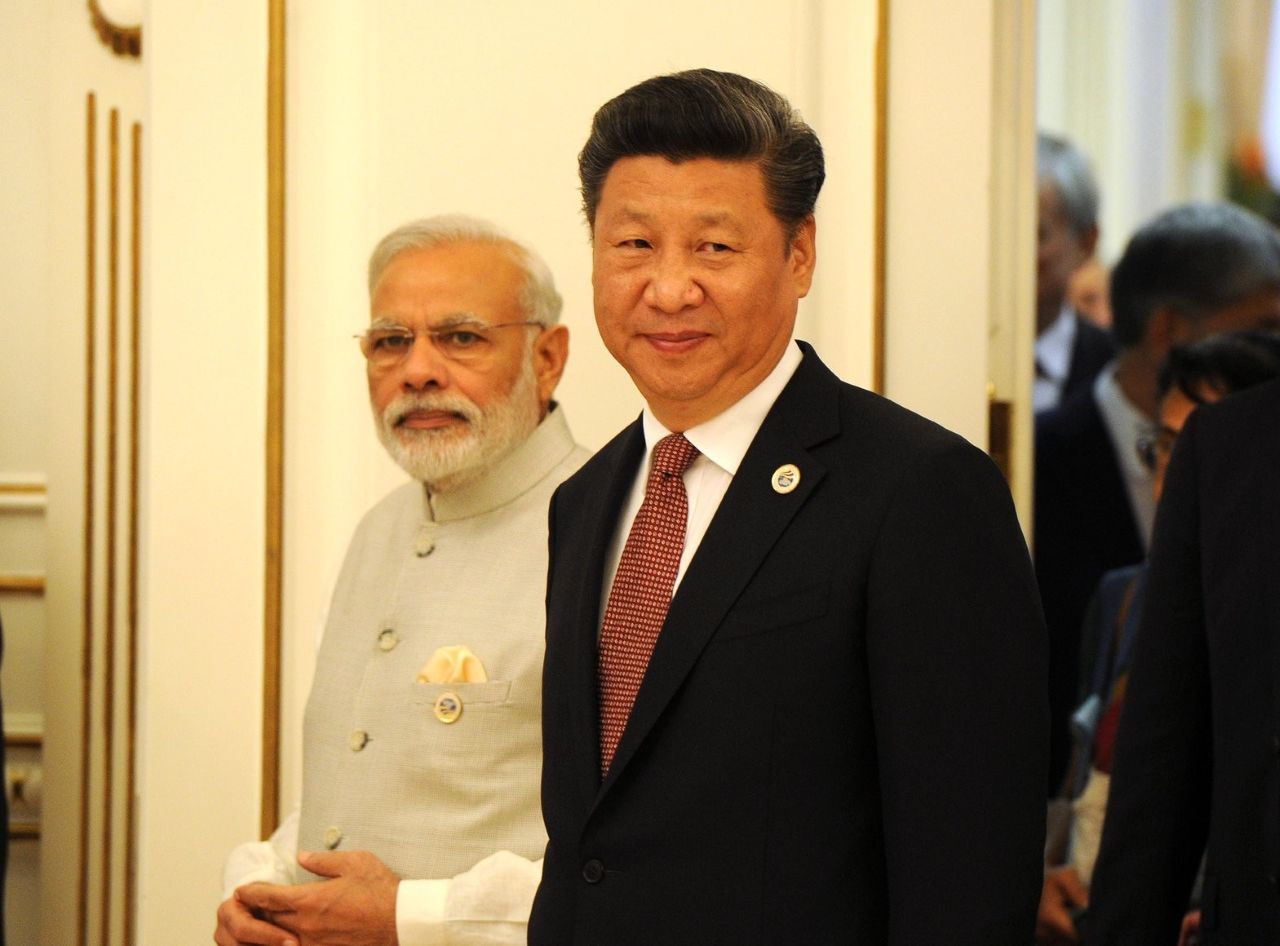
Chinese diplomats to India are saying all the right things for Indian ears, but Beijing’s policy actions are moving in the opposite direction.
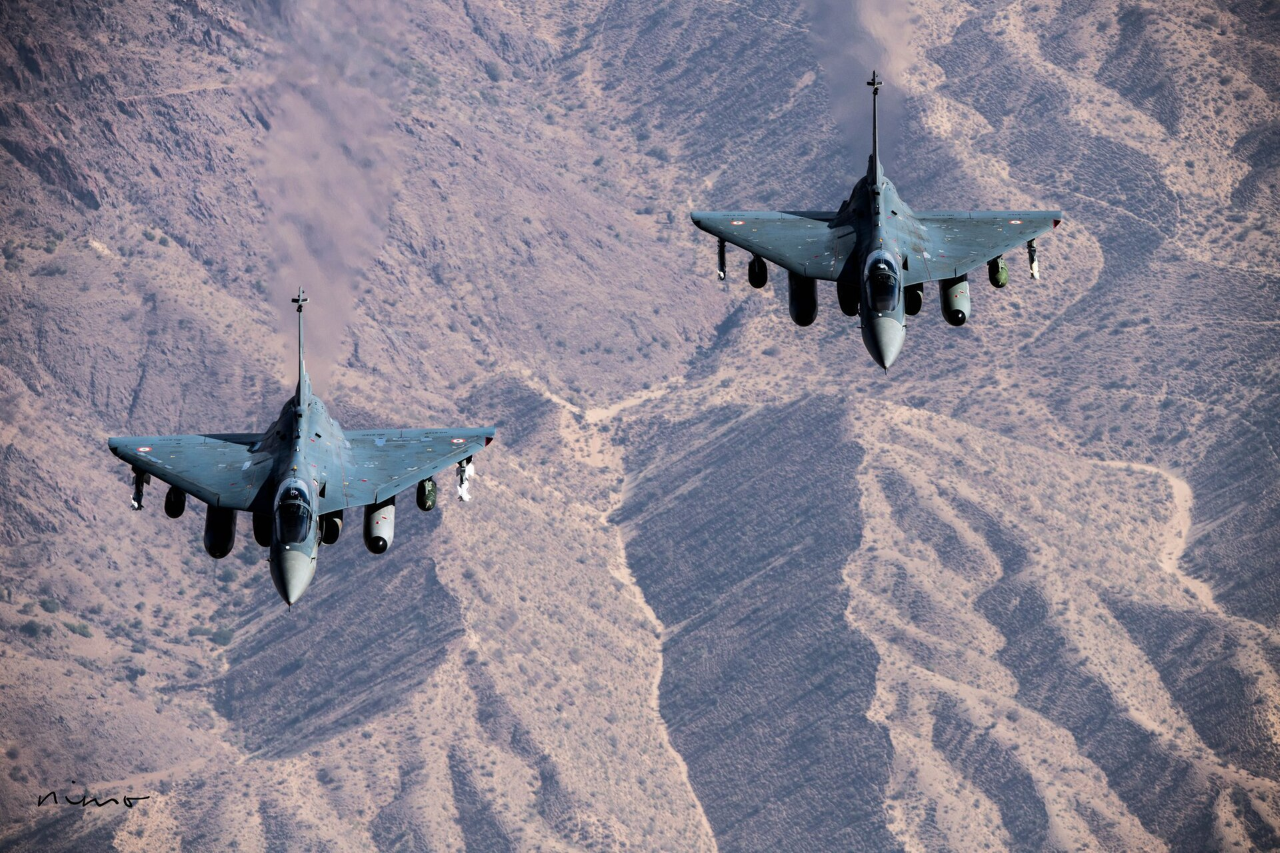
The country's fighter jet roadmap rests on imported propulsion, leaving its military plans hostage to cost shocks, delays and geopolitics.
ADNOC’s strong numbers underline a strategy built on higher output, shipping gains and new routes that sidestep the risky Strait of Hormuz.
Chinese diplomats to India are saying all the right things for Indian ears, but Beijing’s policy actions are moving in the opposite direction.
The country's fighter jet roadmap rests on imported propulsion, leaving its military plans hostage to cost shocks, delays and geopolitics.