/
•
•
Detailed stories on technology startups, business and economic current affairs.
The demand-supply gap persists, only to widen with the onset of summer every year. Who’s to blame?



Editor's note: Last month, in what was the hottest April in 122 years, the Goa Electricity Department’s Twitter handle broke the fourth wall. This was on the 26th. A brutal heatwave had forced people to crank up their desert coolers and air conditioners. India was facing its highest-ever demand for electricity. Supply grids couldn’t keep up and nearly two-thirds of households across the country reeled from power cuts. The frustration was evident on Twitter. Responding to one such irate user, the person manning the Goa Electricity Department’s handle posted, “I also have no lights and would be anytime fadding [sic] away from you until supply restored and mobile and laptop charged.” The user, Fabiano, couldn’t believe what hit him. “What?” he asked. “Why what??? or Why surprise???” the department’s handle replied. “I am also a customer like you now out of office but only a dept person on Twitter…” It was an extraordinary time. And it might just get worse. The power demand on 26 April was 201.06 gigawatts (GW). In May and June, the demand is expected to reach 215-220 GW. …
The demand-supply gap persists, only to widen with the onset of summer every year. Who’s to blame?
Editor's note: Last month, in what was the hottest April in 122 years, the Goa Electricity Department’s Twitter handle broke the fourth wall. This was on the 26th. A brutal heatwave had forced people to crank up their desert coolers and air conditioners. India was facing its highest-ever demand for electricity. Supply grids couldn’t keep up and nearly two-thirds of households across the country reeled from power cuts. The frustration was evident on Twitter. Responding to one such irate user, the person manning the Goa Electricity Department’s handle posted, “I also have no lights and would be anytime fadding [sic] away from you until supply restored and mobile and laptop charged.” The user, Fabiano, couldn’t believe what hit him. “What?” he asked. “Why what??? or Why surprise???” the department’s handle replied. “I am also a customer like you now out of office but only a dept person on Twitter…” It was an extraordinary time. And it might just get worse. The power demand on 26 April was 201.06 gigawatts (GW). In May and June, the demand is expected to reach 215-220 GW. …

India’s second-largest brokerage by active clients wants to handle IPOs as a merchant banker. But gaining a foothold in the highly competitive sector is easier said than done.
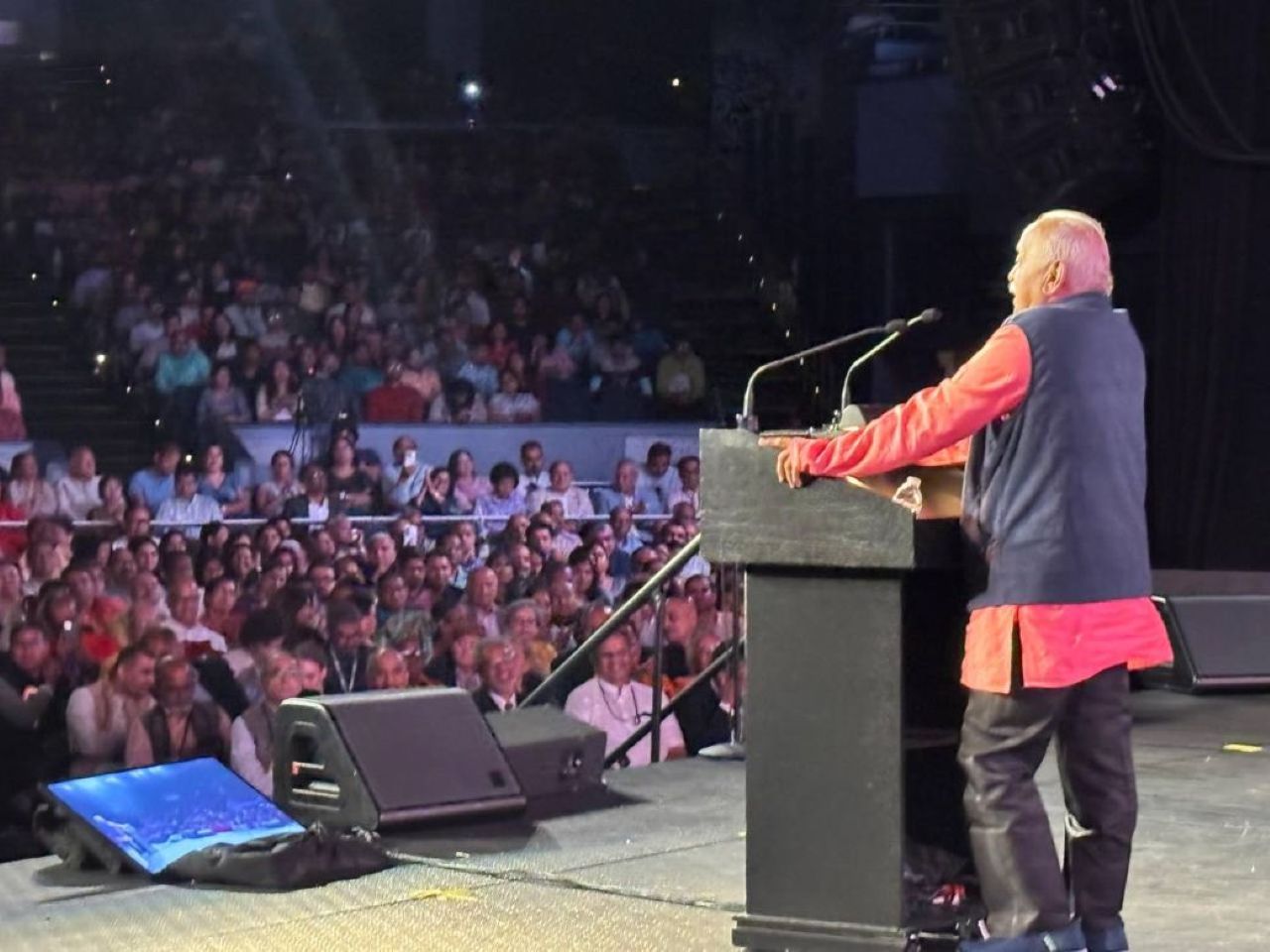
Influence cannot be manufactured through diaspora networks, carefully branded events or political donations. It requires honesty and credibility.
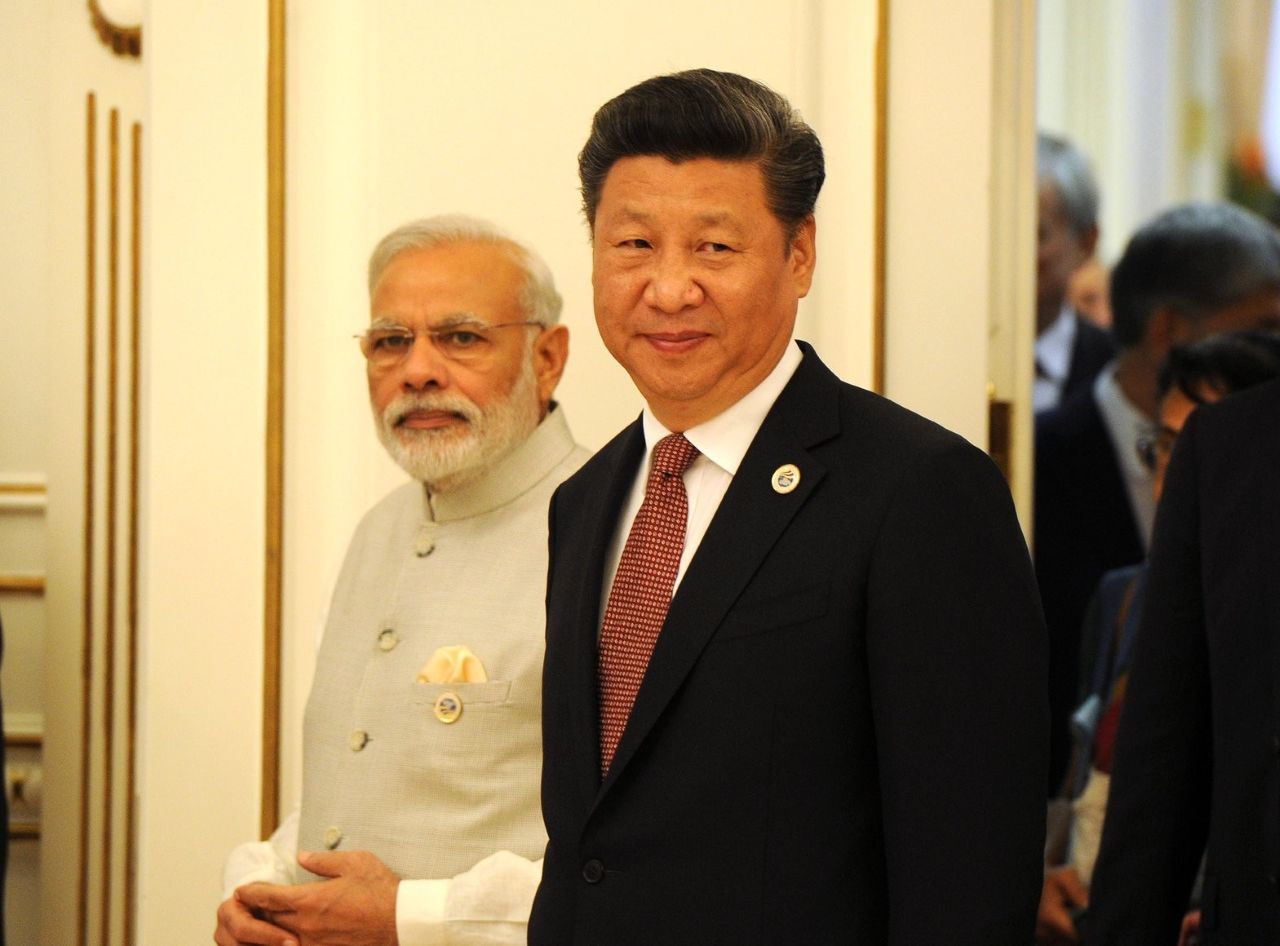
Chinese diplomats to India are saying all the right things for Indian ears, but Beijing’s policy actions are moving in the opposite direction.
India’s second-largest brokerage by active clients wants to handle IPOs as a merchant banker. But gaining a foothold in the highly competitive sector is easier said than done.
Influence cannot be manufactured through diaspora networks, carefully branded events or political donations. It requires honesty and credibility.
Chinese diplomats to India are saying all the right things for Indian ears, but Beijing’s policy actions are moving in the opposite direction.