/
•
•
Detailed stories on technology startups, business and economic current affairs.
The tragic death of range forest officer Deepali Chavan shows what women have to go through to survive one of the country’s toughest jobs.



Editor's note: Note: This story includes a summation of circumstances that drove a forest officer to end her life. Reader discretion is advised. In the wee hours of 25 March, just moments after he’d learned of Deepali Chavan’s death by suicide, Uday Deshmukh tossed, turned, and begged for sleep to come his way. It didn’t. So utter was his disbelief and so deep his shock, he had to take sleeping pills to force somnolence upon himself. Deshmukh is an advocate and former assistant government pleader who represented officers in Amravati district. He’s also president of The Kula Kaasa Foundation, a non-governmental organization that focuses on conservation work in Melghat, the oldest tiger reserve in Maharashtra. The nature of his work brought Deshmukh in close proximity with people like Deepali Chavan, who was a range forest officer, or RFO—the forest service equivalent of an inspector of police. RFOs are known as “green warriors” because they’re the backbones of India’s protected habitats; they oversee subordinates like deputy rangers, guards, and watchers, organize anti-poaching patrols, mitigate conflict (if any) with local residents, manage district forest …
The tragic death of range forest officer Deepali Chavan shows what women have to go through to survive one of the country’s toughest jobs.
Editor's note: Note: This story includes a summation of circumstances that drove a forest officer to end her life. Reader discretion is advised. In the wee hours of 25 March, just moments after he’d learned of Deepali Chavan’s death by suicide, Uday Deshmukh tossed, turned, and begged for sleep to come his way. It didn’t. So utter was his disbelief and so deep his shock, he had to take sleeping pills to force somnolence upon himself. Deshmukh is an advocate and former assistant government pleader who represented officers in Amravati district. He’s also president of The Kula Kaasa Foundation, a non-governmental organization that focuses on conservation work in Melghat, the oldest tiger reserve in Maharashtra. The nature of his work brought Deshmukh in close proximity with people like Deepali Chavan, who was a range forest officer, or RFO—the forest service equivalent of an inspector of police. RFOs are known as “green warriors” because they’re the backbones of India’s protected habitats; they oversee subordinates like deputy rangers, guards, and watchers, organize anti-poaching patrols, mitigate conflict (if any) with local residents, manage district forest …

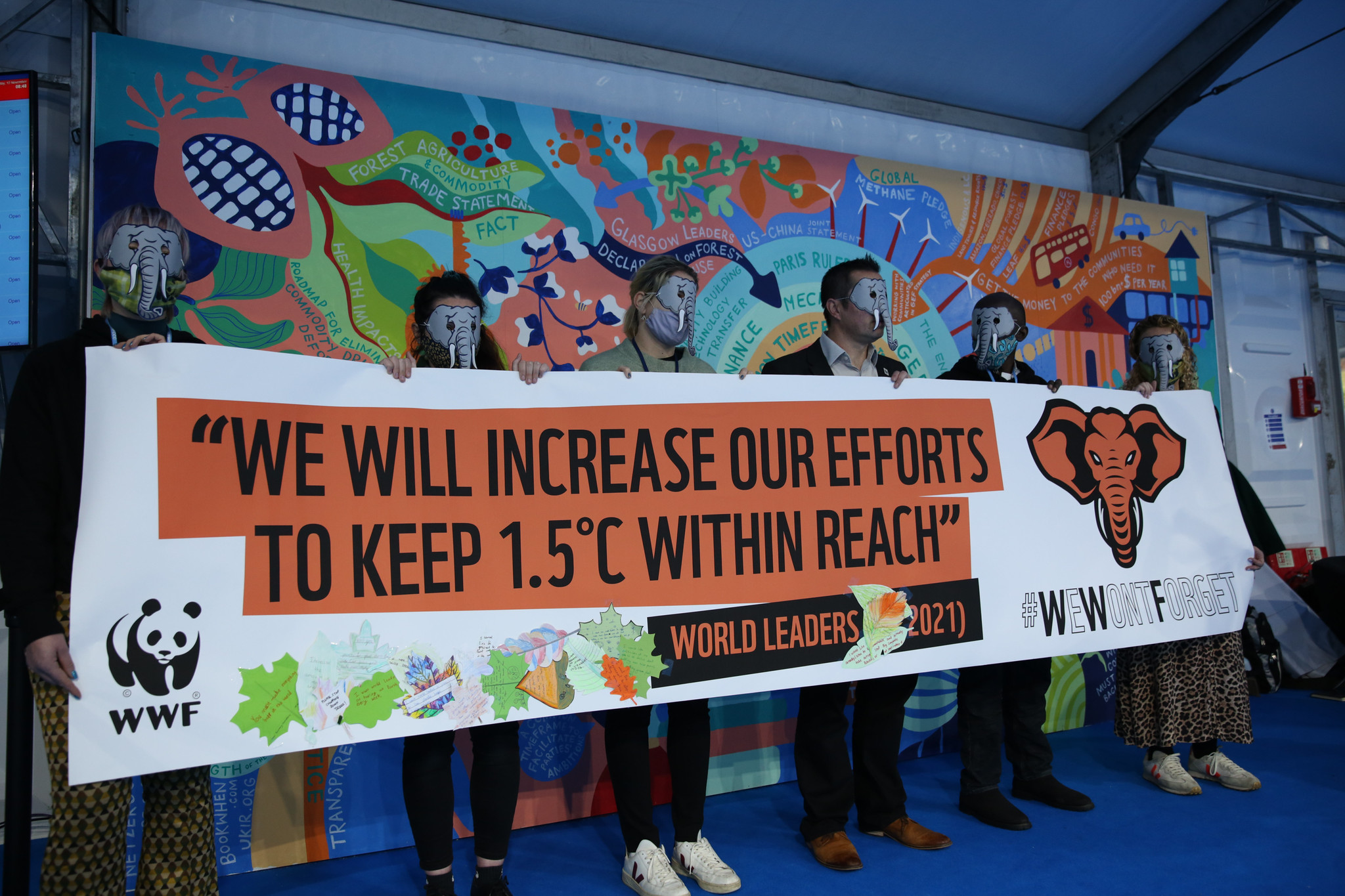
The window to prevent the worst impacts of climate change has shut. The heat is on global leaders at the annual climate talks in Brazil to deliver more than just theatre.
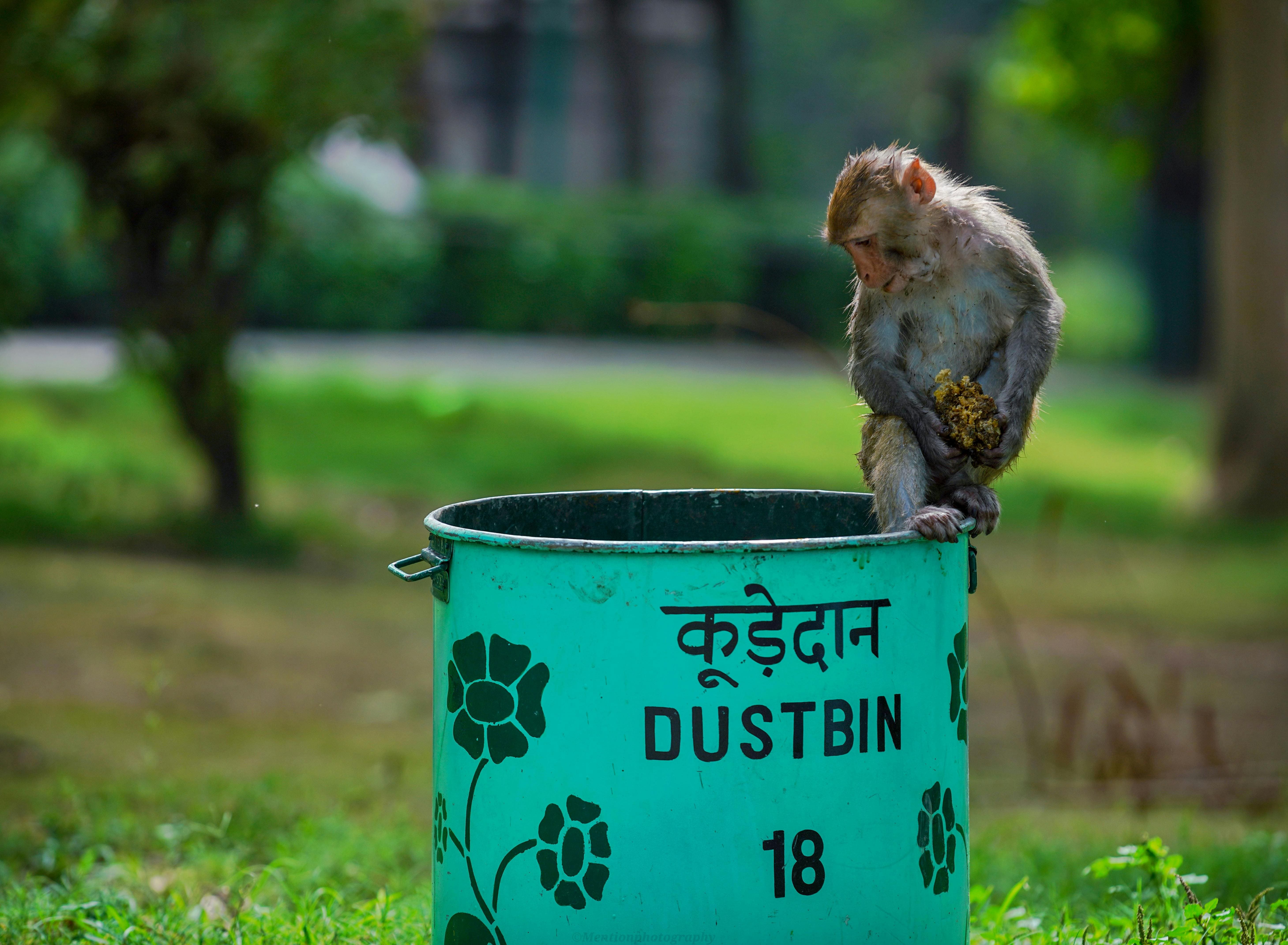
The Kanjurmarg landfill, operated by Antony Waste Handling Cell Ltd., is safe from the axe for now. But its fate remains a major source of worry for the company's shareholders and the city's residents alike.

An environmental hazard has spawned the need for these quick fixes, but do they really work?
The window to prevent the worst impacts of climate change has shut. The heat is on global leaders at the annual climate talks in Brazil to deliver more than just theatre.
The Kanjurmarg landfill, operated by Antony Waste Handling Cell Ltd., is safe from the axe for now. But its fate remains a major source of worry for the company's shareholders and the city's residents alike.
An environmental hazard has spawned the need for these quick fixes, but do they really work?