/
•
•
Detailed stories on technology startups, business and economic current affairs.
The world’s largest buyer of palm oil is enabling rampant environmental destruction in Southeast Asia. Local cultivation could be a solution… except that it isn’t.


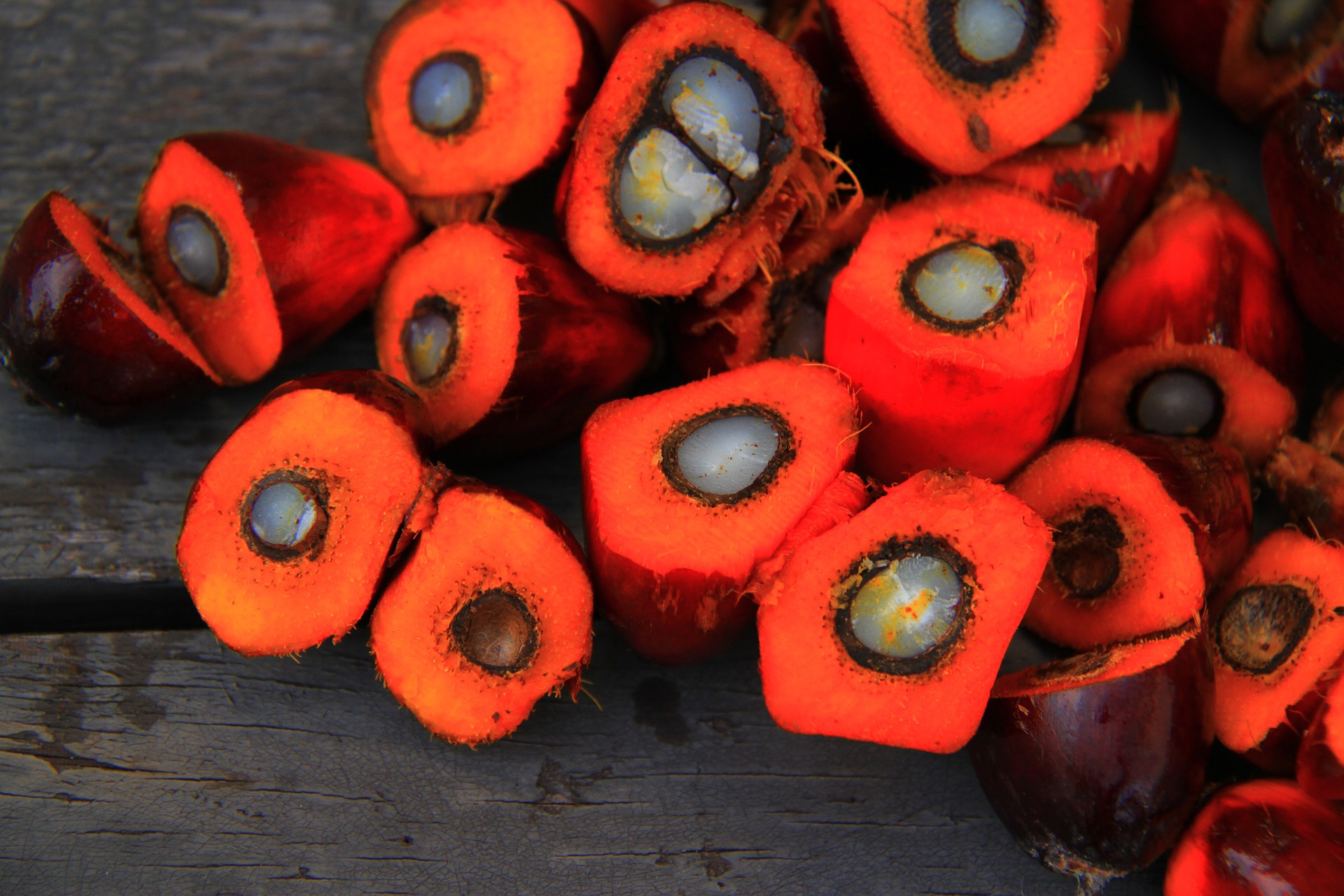

It was sometime in 1848, when the British East India Company was marauding the Sikh Empire, that a Dutch ship sailed from West Africa to the East Indies, the country we now know as Indonesia. On its deck were the seeds of an oil crop that would have the world in the palm of its hand. The crop took to Southeast Asia even better than it did in its native Africa and bore vermilion fruit so rich in oil, they called it red gold.
This red gold or palm oil has many aliases: it’s the sodium lauryl sulfate in toothpaste, …


Indian companies risk losing out in global competitiveness as pricing power shifts toward those with verifiable emissions reporting.
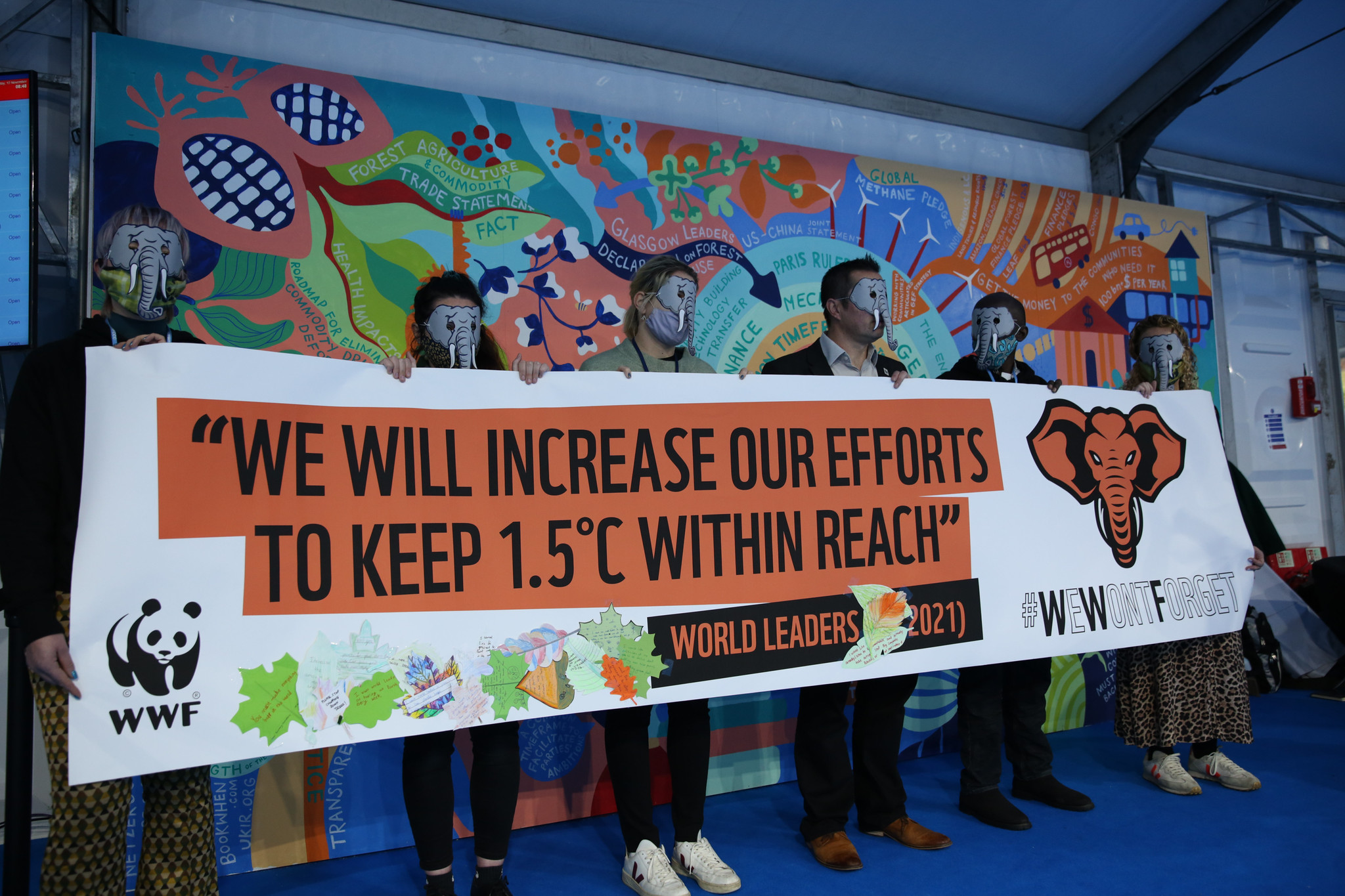
The window to prevent the worst impacts of climate change has shut. The heat is on global leaders at the annual climate talks in Brazil to deliver more than just theatre.
After years of cheap money and easy growth, solar must now prove it can stand on financial fundamentals.