/
•
•
Detailed stories on technology startups, business and economic current affairs.
Despite increasing levels of pollution, the country’s frontline pollution regulators are making do with woefully inadequate manpower and scant resources.



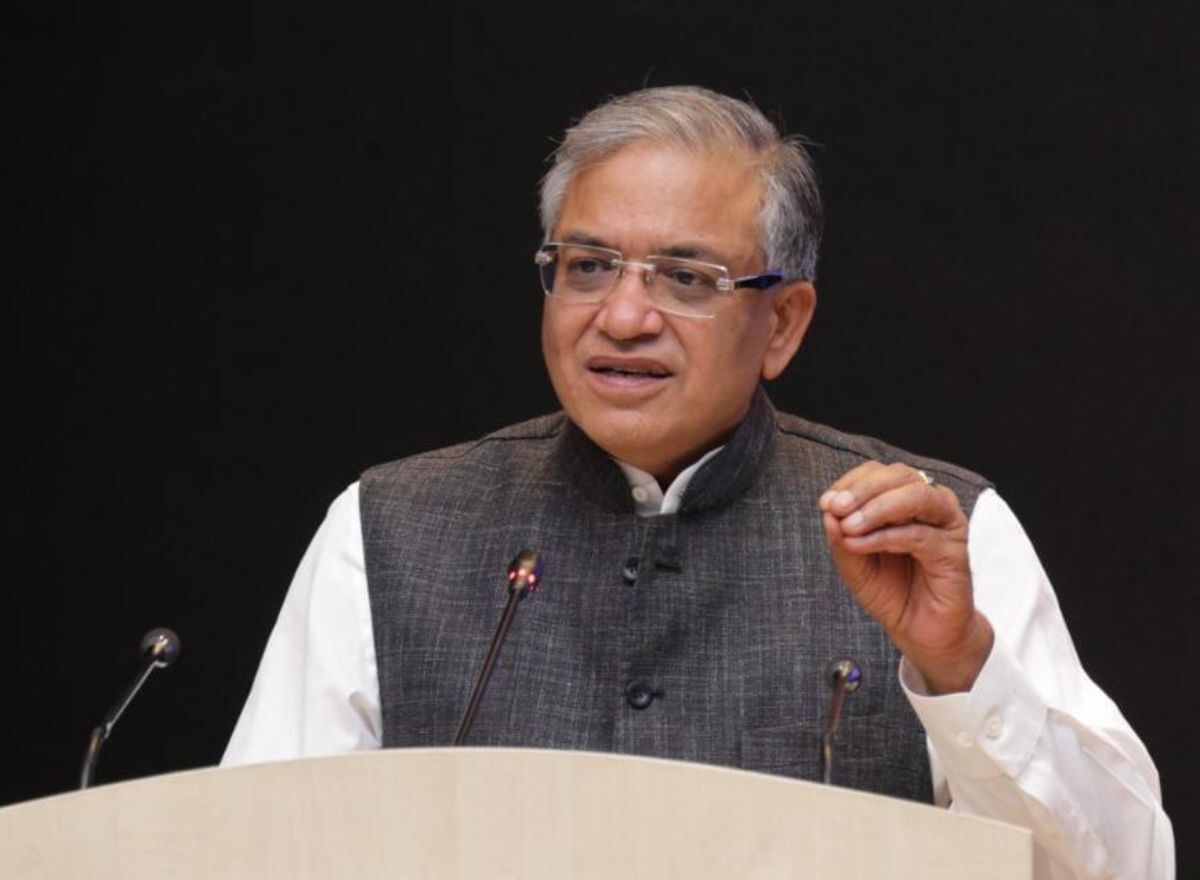
Inside the Haryana State Pollution Control Board’s regional office in Panipat, a board displays a list of regional officers over the last 20 years. There have been at least six regional officers in the past three years alone; the one with the shortest tenure served for only 14 days.
Kamaljeet Singh, the current regional officer, plays this down. “These are routine transfers,” he says. But the lack of stability of district chief tenures is only one of the many issues that plague the board.
The regional office of the Haryana SPCB is located in a shabby complex on the outskirts …


Divergent narratives from the Haryana government and the lender raise deeper questions on oversight, authorizations and systemic lapses—answers that may emerge only after a forensic audit.
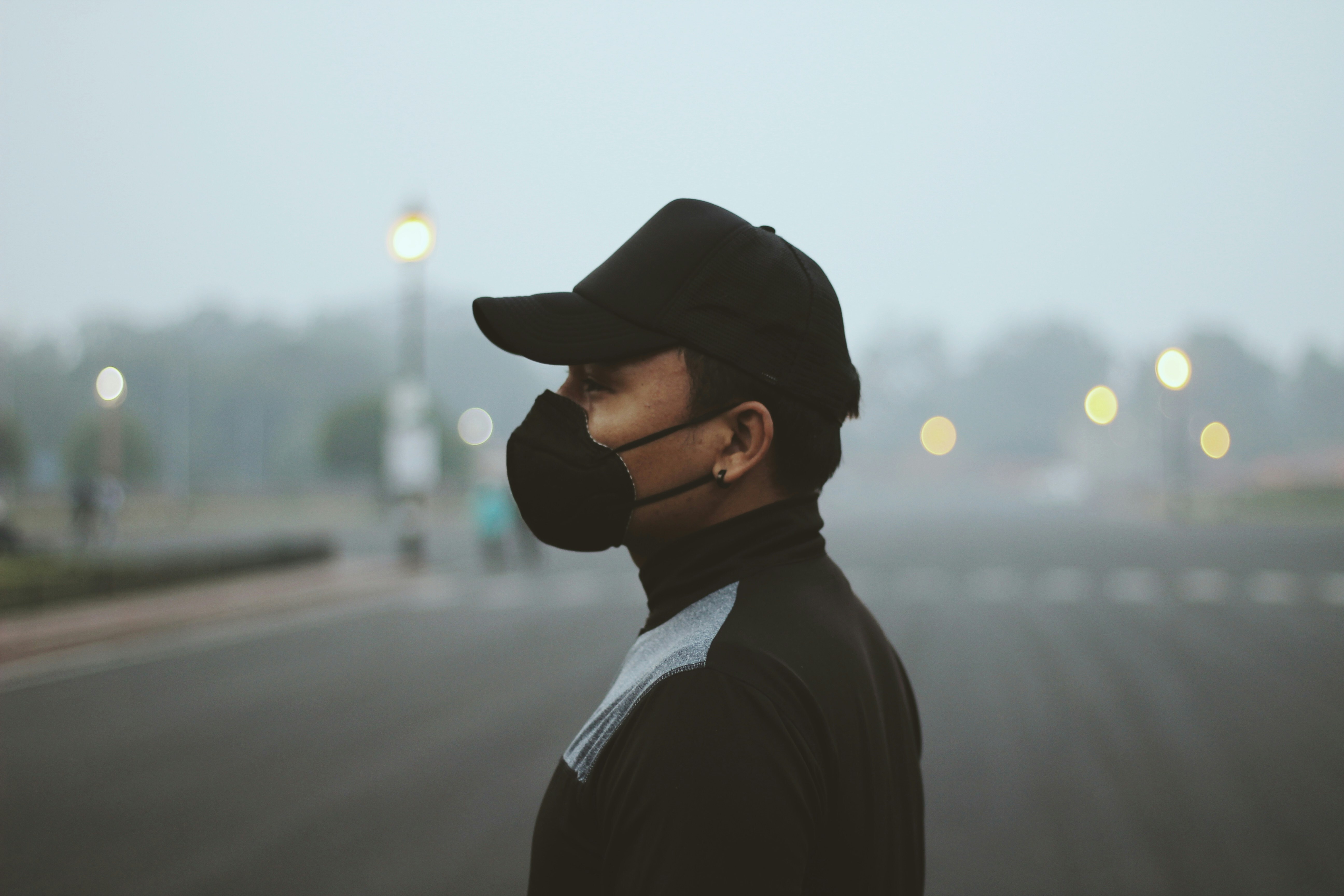
The Indian government is no longer denying pollution. Rather, it is perfecting a system that measures it extensively, displays it publicly and then teaches the nation to live with it.
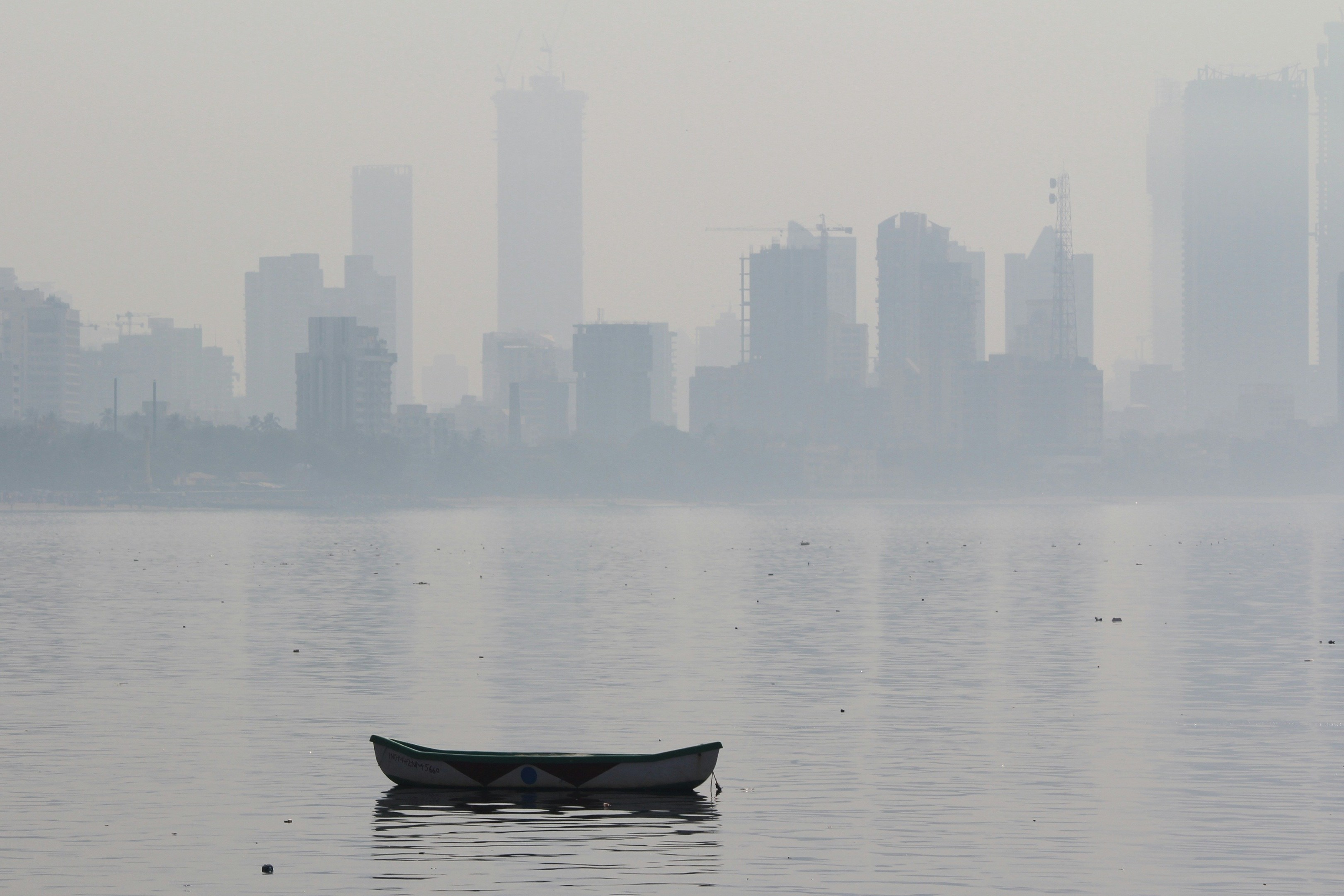
A city choking on its own growth, trapped in a system with little accountability. Separately, India’s plan to ramp up in its solar manufacturing standards needs to factor in all the stakeholders.