/
•
•
Detailed stories on technology startups, business and economic current affairs.
Study cited in its affidavit did not include data from October, when crop residue burning activities peak.



Editor's note: On Monday, the union environment ministry made a revelation that surprised everyone. In an affidavit to the Supreme Court, the ministry claimed that crop residue burning had a mere 7% contribution to air pollution in Delhi. Moreover, in the winter this share dropped to 4%, the affidavit said. The Supreme Court, which was hearing a case related to the ongoing hazardous levels of air pollution in northern India, seemed convinced by this. "In fact, now the cat is out of the bag, the farmers' stubble burning contributes to 4% of the pollution as per the chart. So we are targeting something which is totally insignificant,” Justice D.Y. Chandrachud said in court, according to LiveLaw. Some farm analysts promptly claimed that this vindicated farmers. But is it the truth? The government’s affidavit said these figures were “as per a scientific study”, without naming who had carried out the study and when. There are a number of studies on the causes of air pollution in the national capital. After going through a few of them, we finally landed on the study cited …

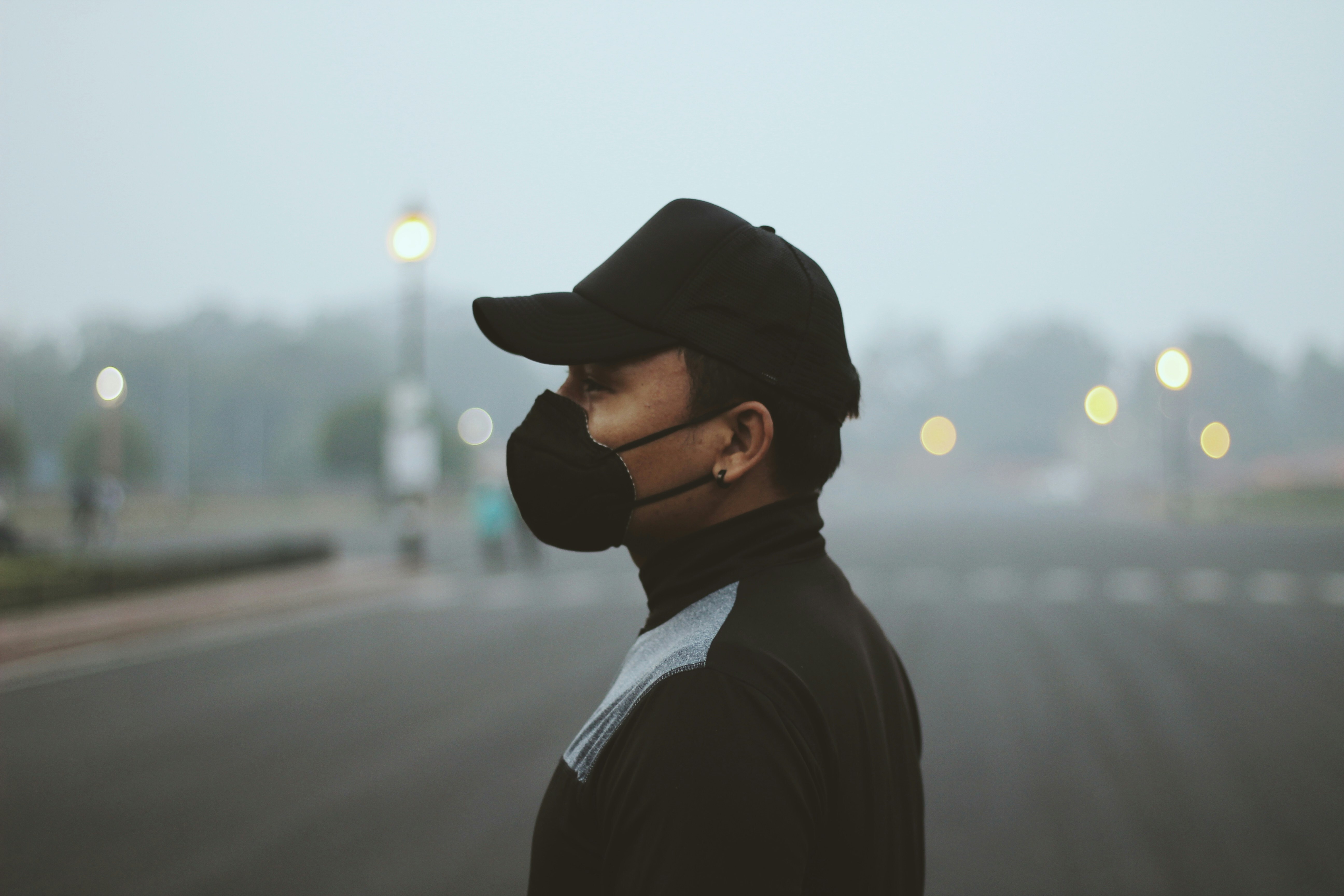
The Indian government is no longer denying pollution. Rather, it is perfecting a system that measures it extensively, displays it publicly and then teaches the nation to live with it.

Even though the government of India did a U-turn on the mandatory pre-installation of the anti-fraud app on all mobile phones sold or imported in the country, the larger problem of petty cybercrime remains grim.
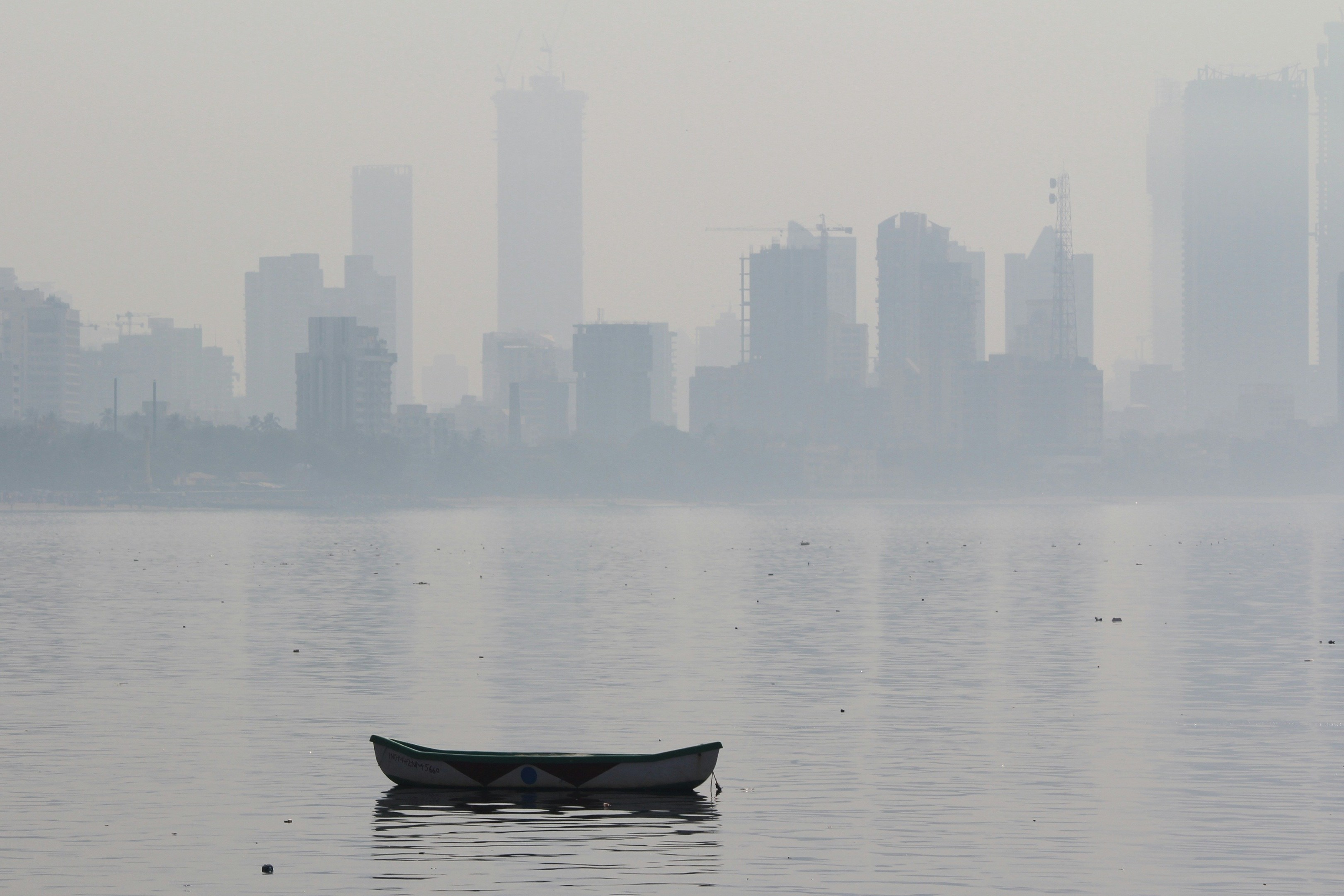
A city choking on its own growth, trapped in a system with little accountability. Separately, India’s plan to ramp up in its solar manufacturing standards needs to factor in all the stakeholders.