/
•
•
Detailed stories on technology startups, business and economic current affairs.
Nepal's democratic uprising offers India a choice to either continue with its failed transactional diplomacy or embrace the patient institution-building that South Asia desperately needs.


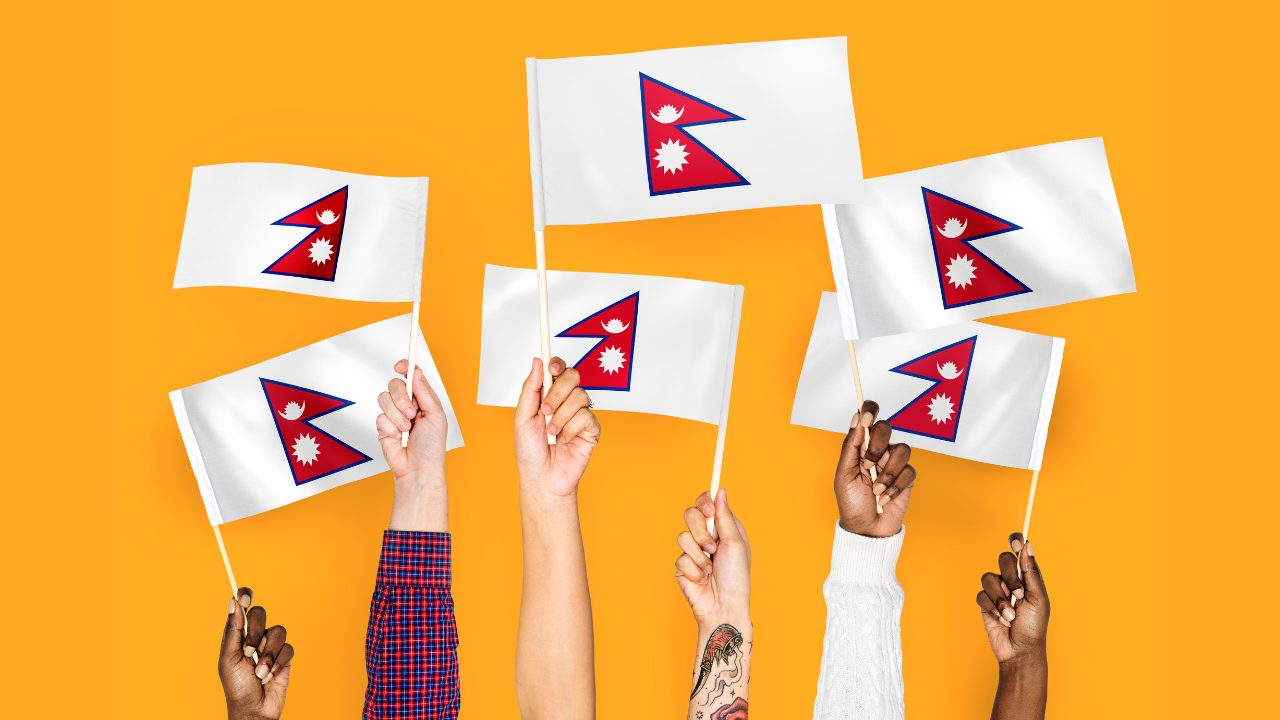
When Nepal's Gen Z protesters stormed parliament on 8 September, they didn’t just target the building; they set it ablaze entirely. Within hours, the flames had consumed not just the seat of Nepal's democracy but also forced Prime Minister K.P. Sharma Oli's resignation. For India, watching its neighbour’s parliament burn should feel uncomfortably familiar; it's the third South Asian capital to erupt in anti-establishment fury in as many years.
The timing could hardly be worse. Just as Oli was scheduled to visit Delhi next week, his government collapsed under the weight of youth fury. The parallels to Sri Lanka's 2022 …
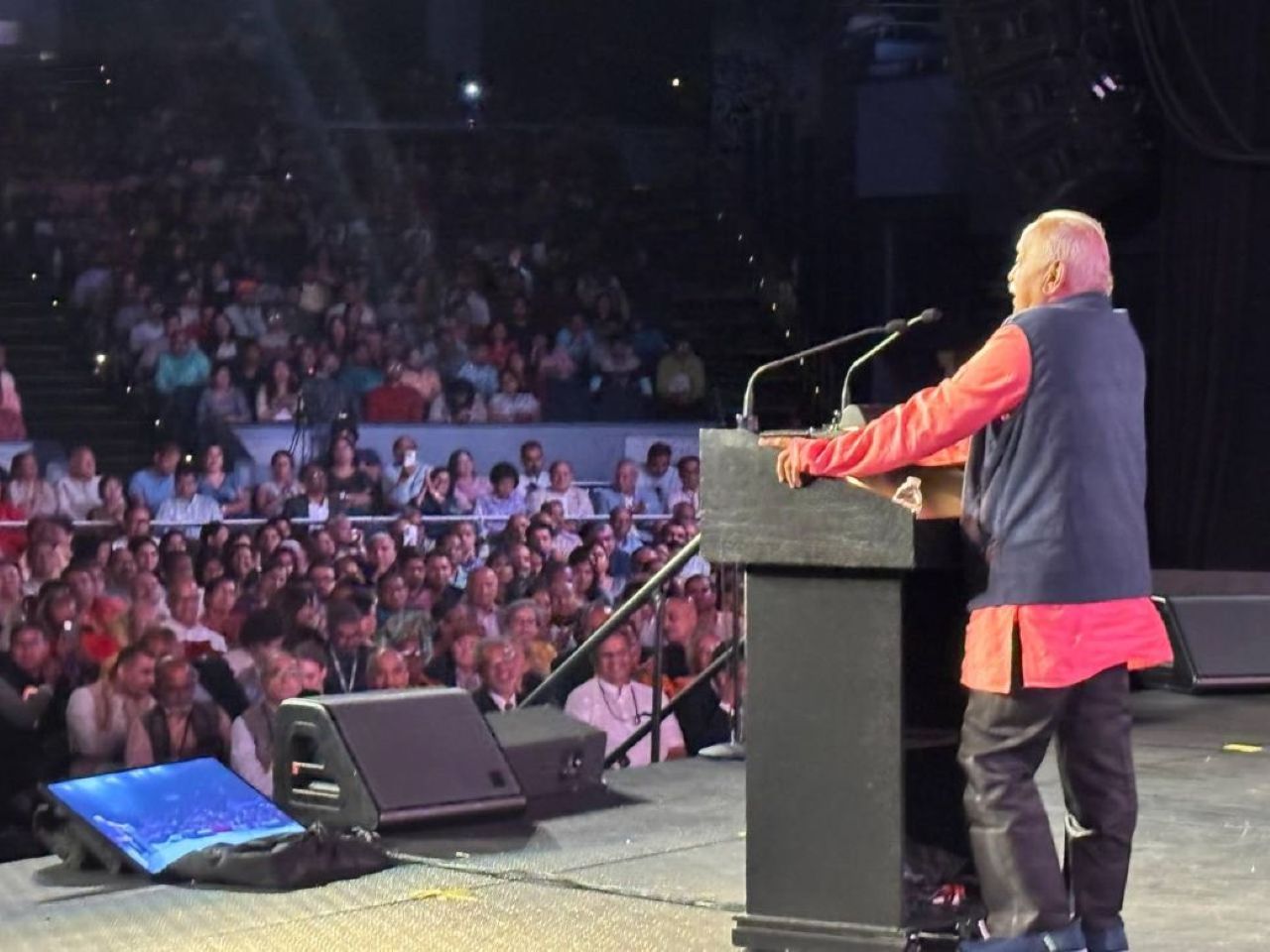
Influence cannot be manufactured through diaspora networks, carefully branded events or political donations. It requires honesty and credibility.
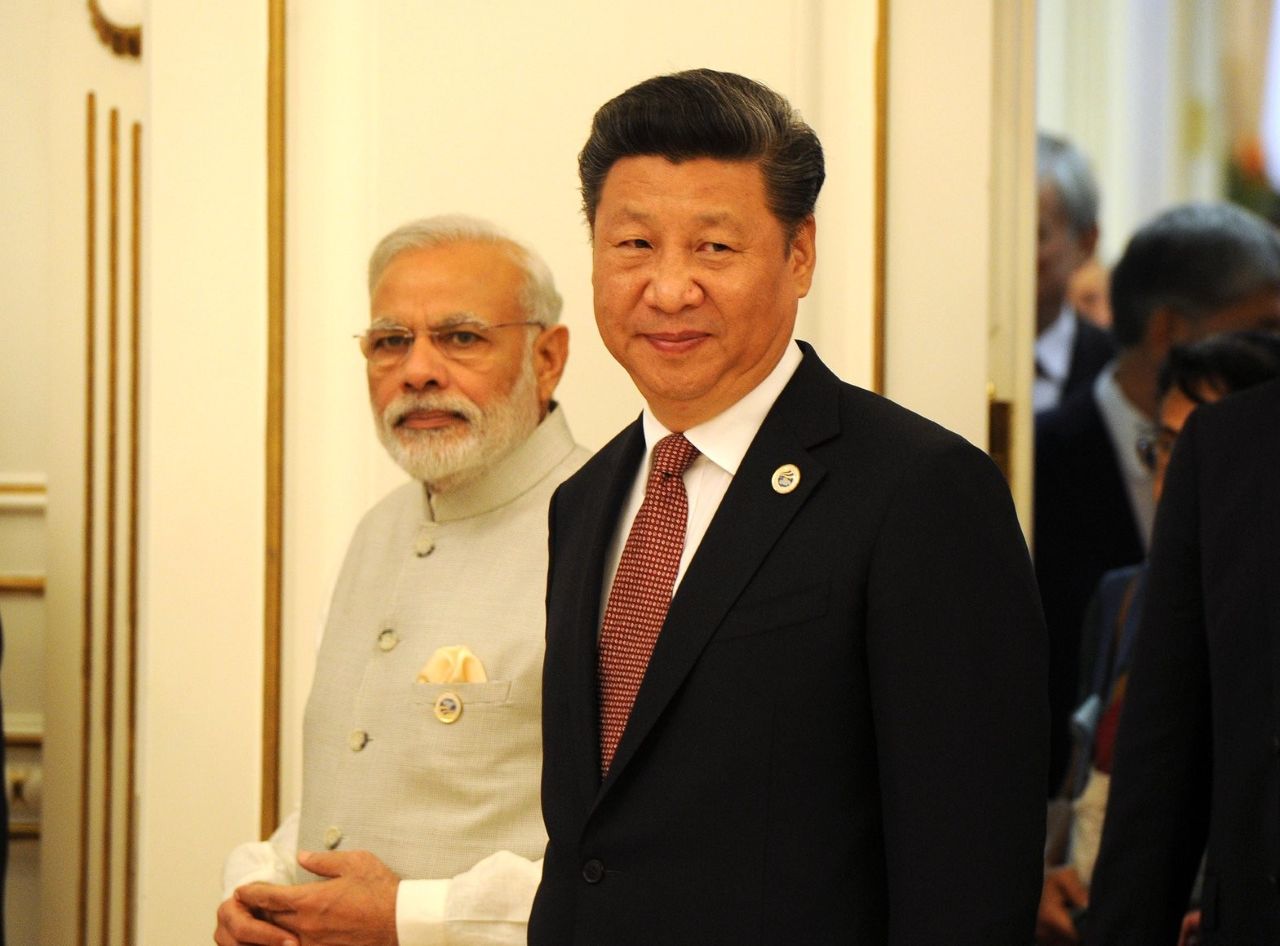
Chinese diplomats to India are saying all the right things for Indian ears, but Beijing’s policy actions are moving in the opposite direction.
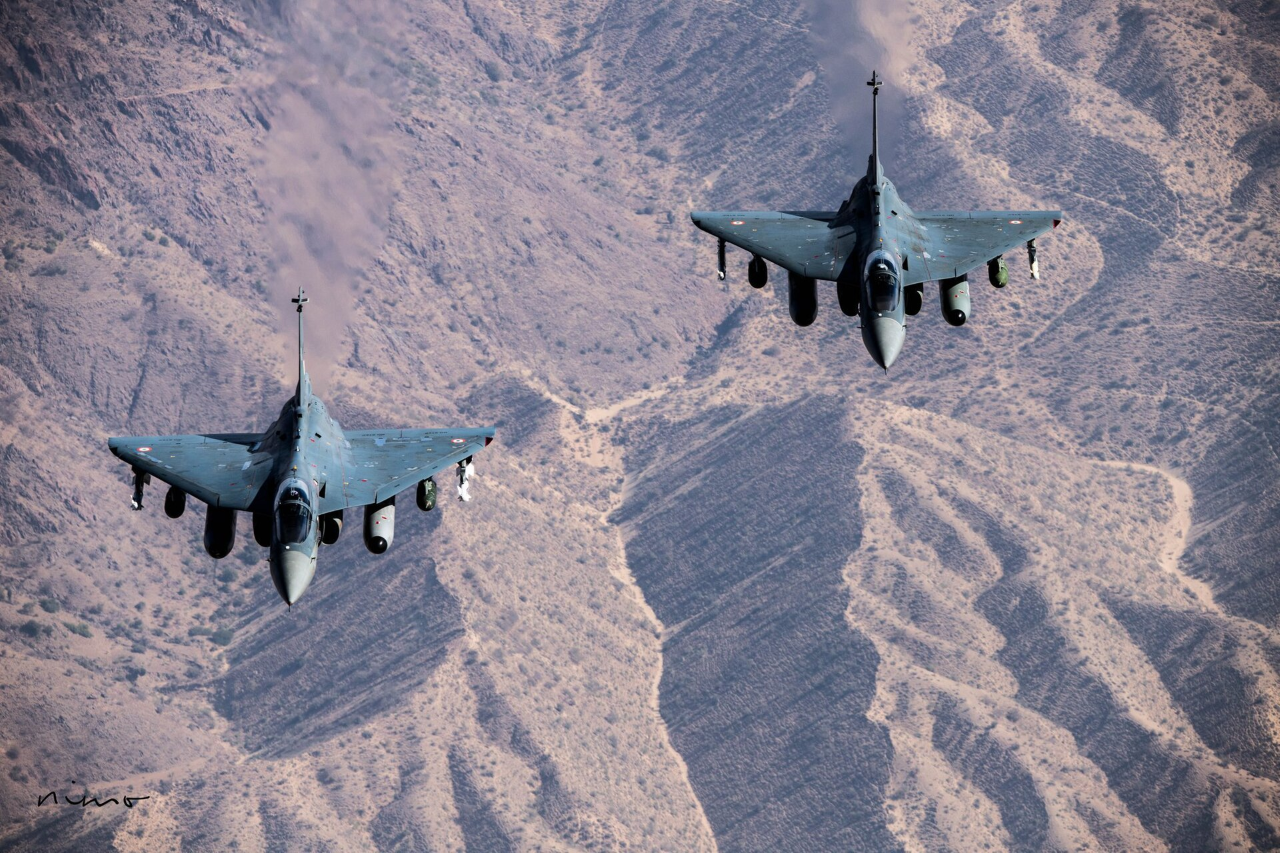
The country's fighter jet roadmap rests on imported propulsion, leaving its military plans hostage to cost shocks, delays and geopolitics.