/
•
•
Detailed stories on technology startups, business and economic current affairs.
The Bengali, Malayalam and Tamil film industries borrow heavily from regional language literature. What stops filmmakers in Hindi cinema?



Editor's note: Bollywood has rekindled its love for books—and not just those written by Chetan Bhagat. In the past five years, some of the best-known web series—Sacred Games, Scam 1992: The Harshad Mehta Story, Leila—have been adapted from books. Films like Gangubai Kathiawadi, Serious Men and Raazi, too, trace their roots to books. This trend is only set to pick up. Zoya Akhtar is making a film based on Archie’s comics. Hansal Mehta’s upcoming web series, Scoop, is based on the real-life account penned by journalist Jigna Vora. Vishal Bharadwaj’s upcoming film Khufiya, on the intelligence agencies in India, is adapted from the book Escape to Nowhere. All these have something in common: they are Hindi films based on books written in English. There are exceptions, of course. The web series Aranyak (2021) is based on a Bengali novel by Bibhutibhushan Bandopadhyay. Another series, Grahan (2021), was based on a Hindi novel by Satya Vyas. But, like we said, these are exceptions. Ask Sidharth Jain, founder of The Story Ink, a platform that acts as a conduit between the literary and the …
The Bengali, Malayalam and Tamil film industries borrow heavily from regional language literature. What stops filmmakers in Hindi cinema?
Editor's note: Bollywood has rekindled its love for books—and not just those written by Chetan Bhagat. In the past five years, some of the best-known web series—Sacred Games, Scam 1992: The Harshad Mehta Story, Leila—have been adapted from books. Films like Gangubai Kathiawadi, Serious Men and Raazi, too, trace their roots to books. This trend is only set to pick up. Zoya Akhtar is making a film based on Archie’s comics. Hansal Mehta’s upcoming web series, Scoop, is based on the real-life account penned by journalist Jigna Vora. Vishal Bharadwaj’s upcoming film Khufiya, on the intelligence agencies in India, is adapted from the book Escape to Nowhere. All these have something in common: they are Hindi films based on books written in English. There are exceptions, of course. The web series Aranyak (2021) is based on a Bengali novel by Bibhutibhushan Bandopadhyay. Another series, Grahan (2021), was based on a Hindi novel by Satya Vyas. But, like we said, these are exceptions. Ask Sidharth Jain, founder of The Story Ink, a platform that acts as a conduit between the literary and the …
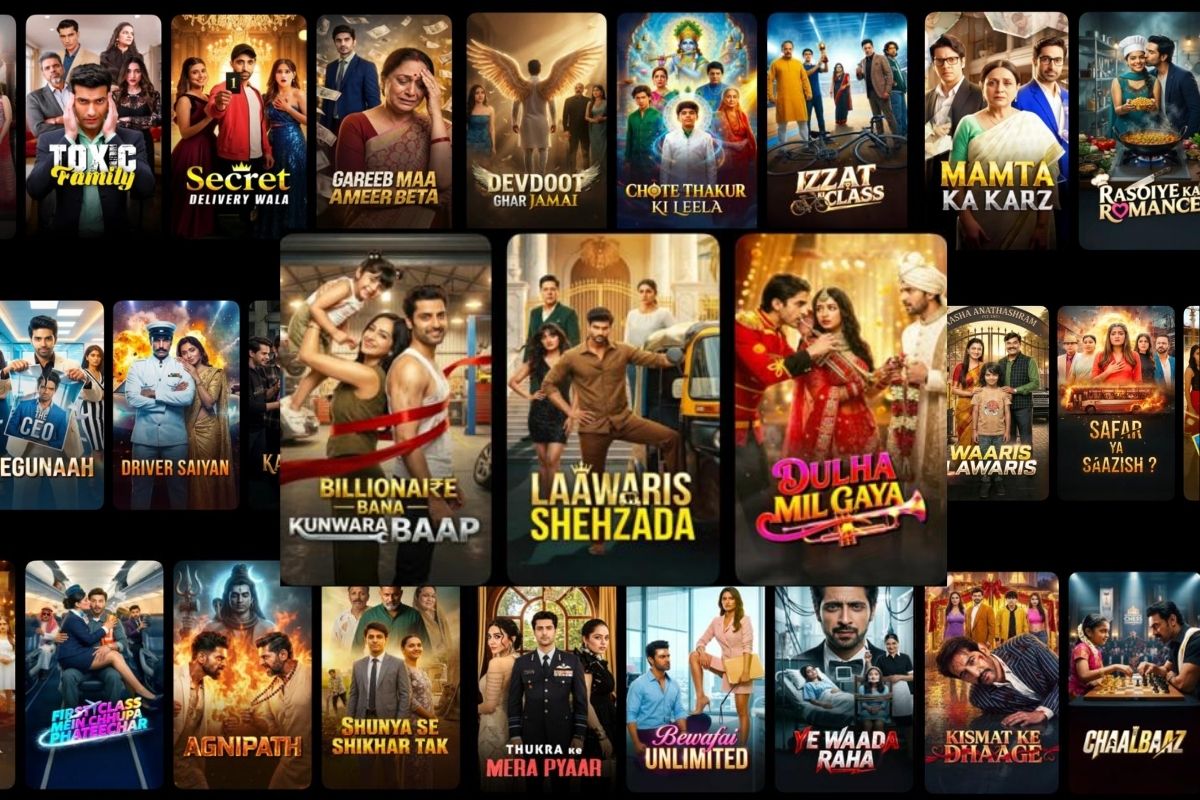
The homegrown social startup is betting big on India’s latest content obsession—minute-long episodes of high-stakes dramas. Cut through the noise and the microdrama hype itself doesn’t add up.
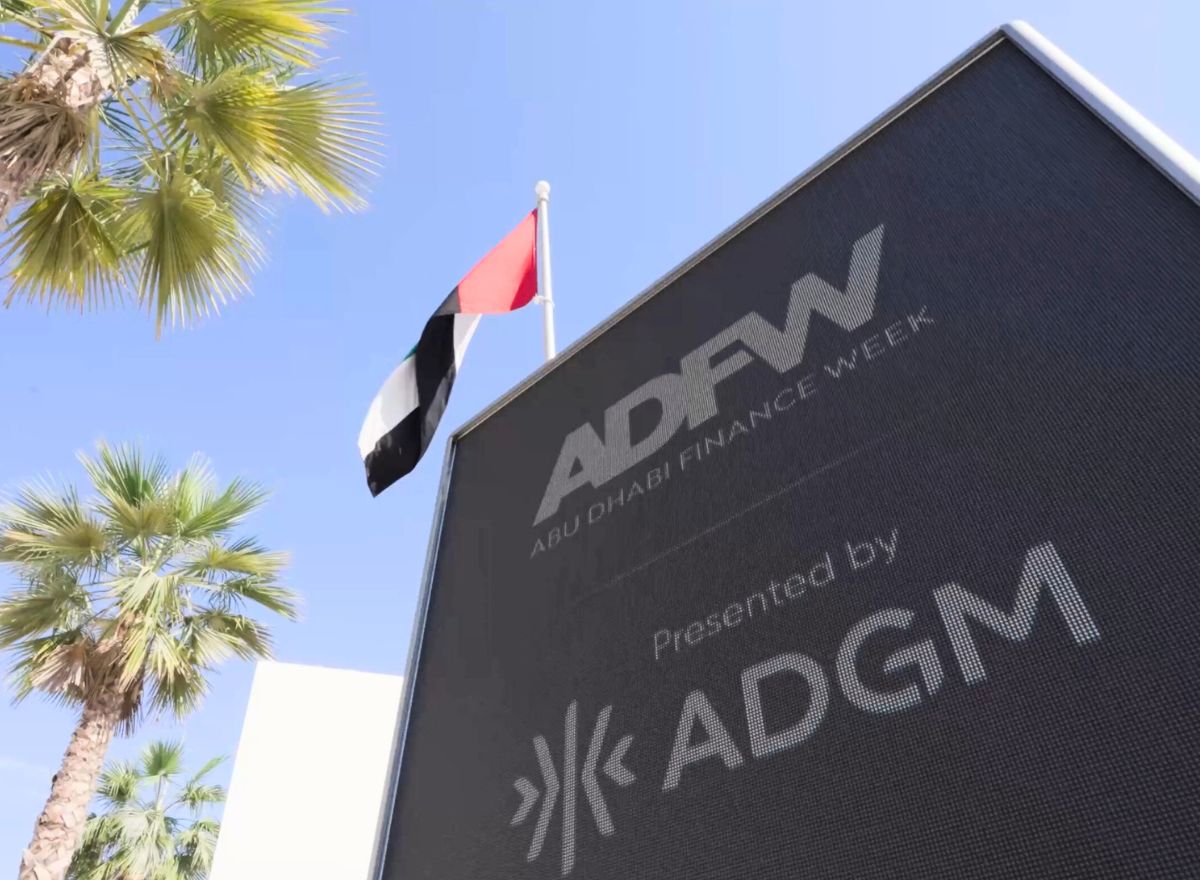
Highlights from Abu Dhabi Finance Week, Qatar’s new (and bolder) AI ambition and the bid for Warner Bros. Discovery.

Recent Delhi High Court orders protecting Aishwarya Rai Bachchan and others show the gaps in India’s legal framework. In the absence of clear laws, how far should celebrities be able to control their name, image and voice?
The homegrown social startup is betting big on India’s latest content obsession—minute-long episodes of high-stakes dramas. Cut through the noise and the microdrama hype itself doesn’t add up.
Highlights from Abu Dhabi Finance Week, Qatar’s new (and bolder) AI ambition and the bid for Warner Bros. Discovery.
Recent Delhi High Court orders protecting Aishwarya Rai Bachchan and others show the gaps in India’s legal framework. In the absence of clear laws, how far should celebrities be able to control their name, image and voice?