/
•
•
Detailed stories on technology startups, business and economic current affairs.
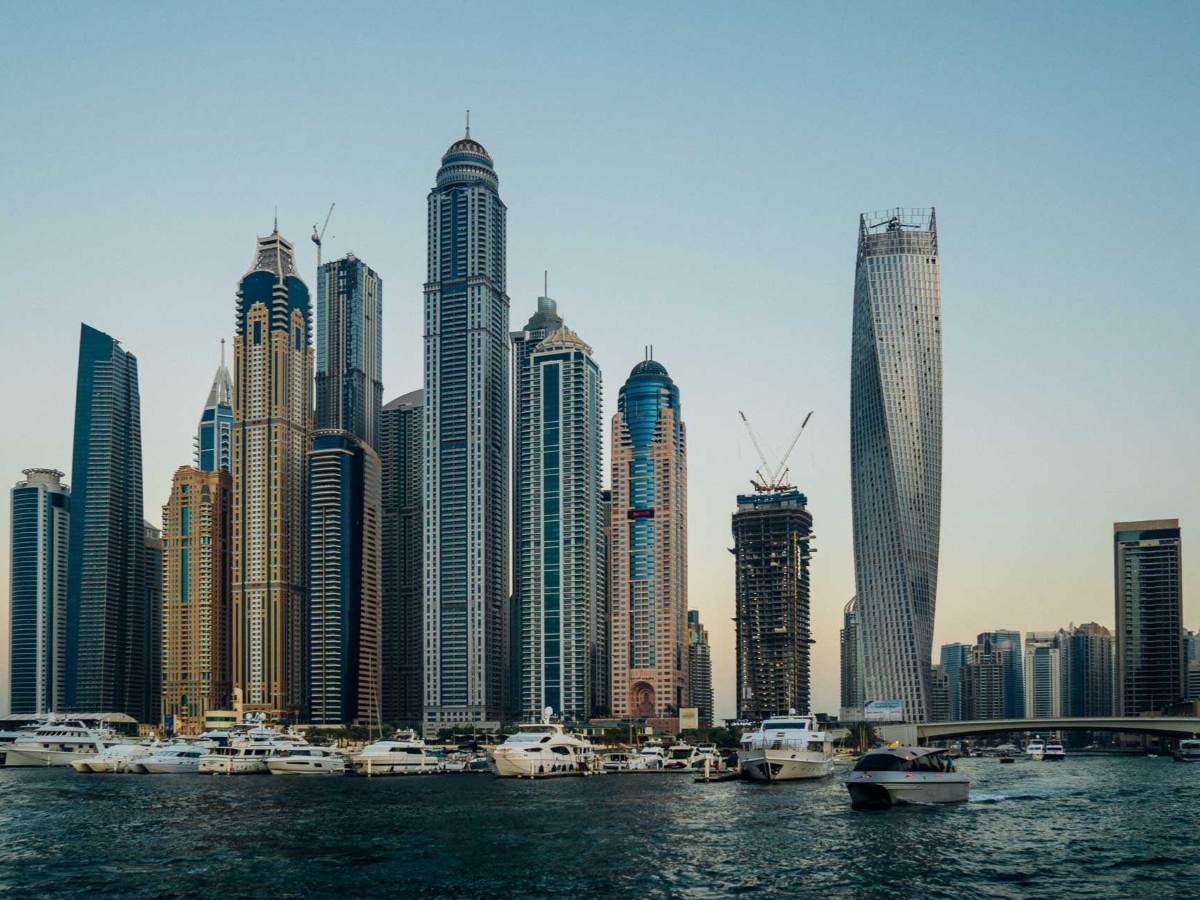
With countries doing little to cut greenhouse gas emissions, this year’s conference marks the start of an era of figuring out how to survive the inevitable impact of climate change.



Editor's note: 1992 was a landmark year. The Cold War had just ended, India was on the road to recovery after opening up its economy the year before and China had set course to becoming an economic powerhouse. Nations across the world had also come together in an unprecedented (and eventually successful) effort to mend the ozone layer. But an even bigger event took place that year. Countries decided to mount a global environmental effort that required them to make hard choices. The United Nations Framework Convention on Climate Change, or UNFCCC, signed in June 1992, pledged to cut the emission of greenhouse gases like carbon dioxide. The atmospheric concentration of these gases—which increases owing to burning fossil fuels and cutting down trees—had crossed a tipping point; it threatened to trigger catastrophic weather changes. At the same time, cutting emissions posed a threat to the world economic order, built on cheap fossil fuels. The convention was signed in the hope that it would all work out. “It was an age of innocence,” recalls Sunita Narain, director general of the Centre for Science …
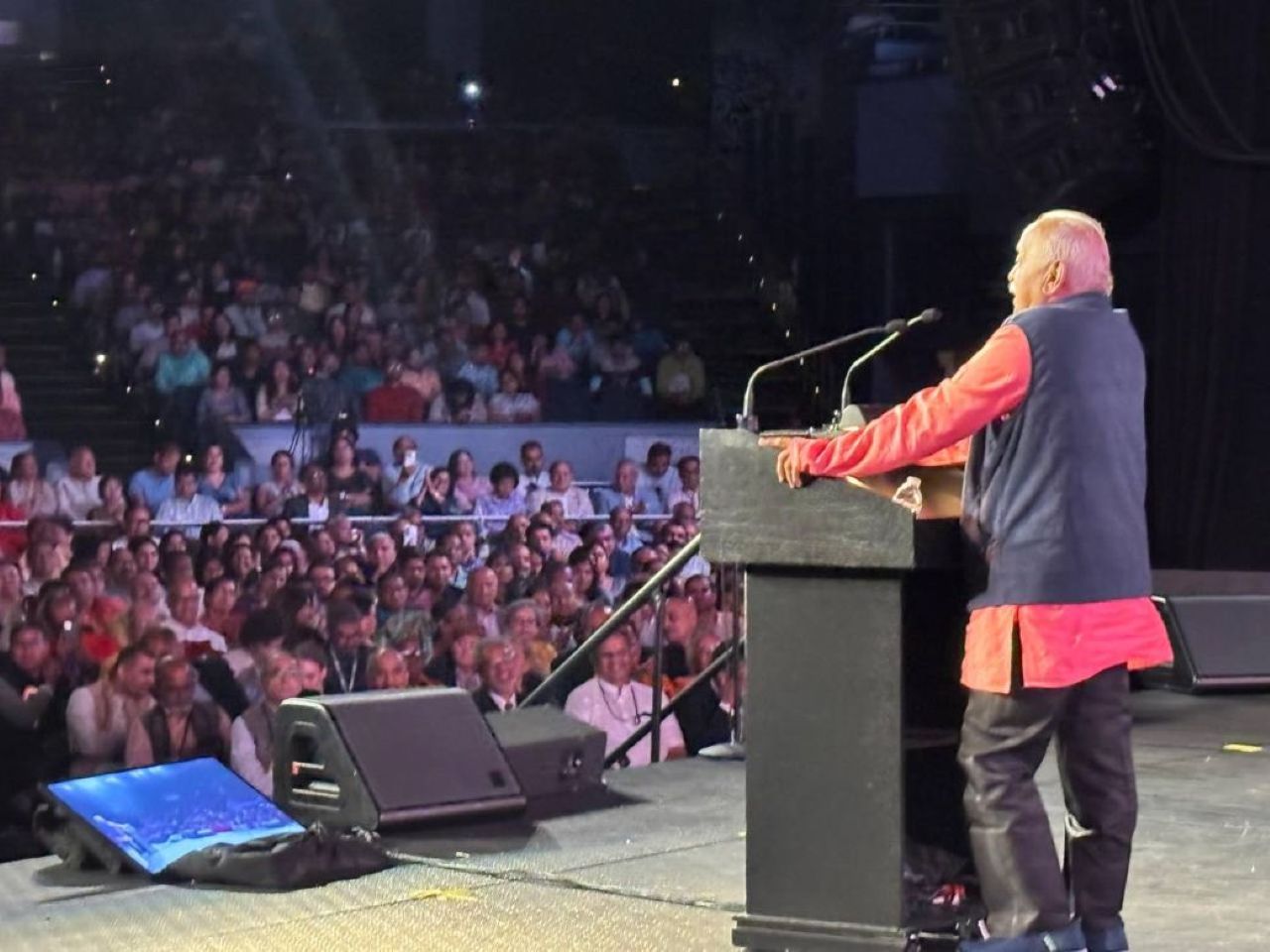
With countries doing little to cut greenhouse gas emissions, this year’s conference marks the start of an era of figuring out how to survive the inevitable impact of climate change.
Editor's note: 1992 was a landmark year. The Cold War had just ended, India was on the road to recovery after opening up its economy the year before and China had set course to becoming an economic powerhouse. Nations across the world had also come together in an unprecedented (and eventually successful) effort to mend the ozone layer. But an even bigger event took place that year. Countries decided to mount a global environmental effort that required them to make hard choices. The United Nations Framework Convention on Climate Change, or UNFCCC, signed in June 1992, pledged to cut the emission of greenhouse gases like carbon dioxide. The atmospheric concentration of these gases—which increases owing to burning fossil fuels and cutting down trees—had crossed a tipping point; it threatened to trigger catastrophic weather changes. At the same time, cutting emissions posed a threat to the world economic order, built on cheap fossil fuels. The convention was signed in the hope that it would all work out. “It was an age of innocence,” recalls Sunita Narain, director general of the Centre for Science …
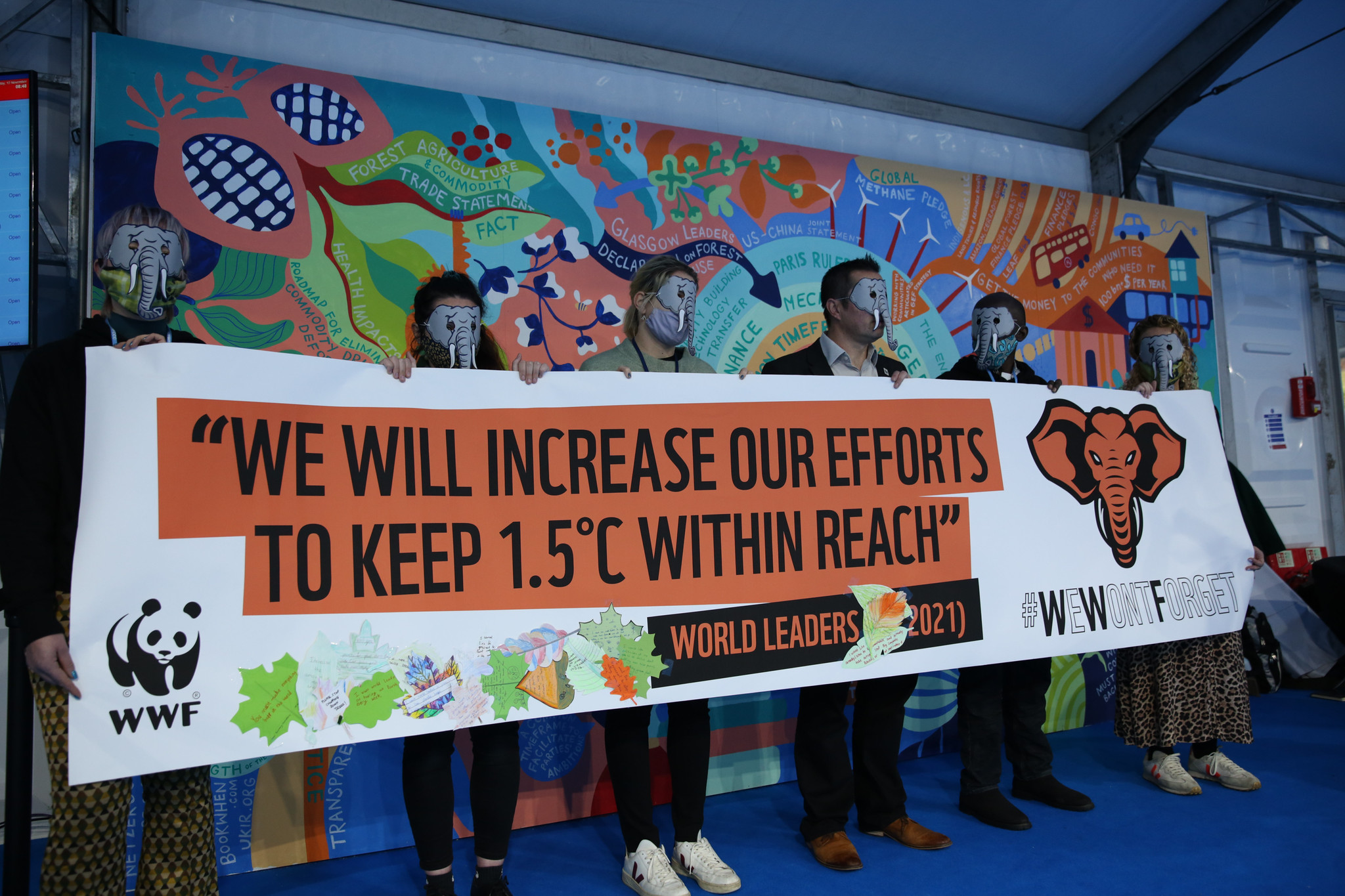
The window to prevent the worst impacts of climate change has shut. The heat is on global leaders at the annual climate talks in Brazil to deliver more than just theatre.
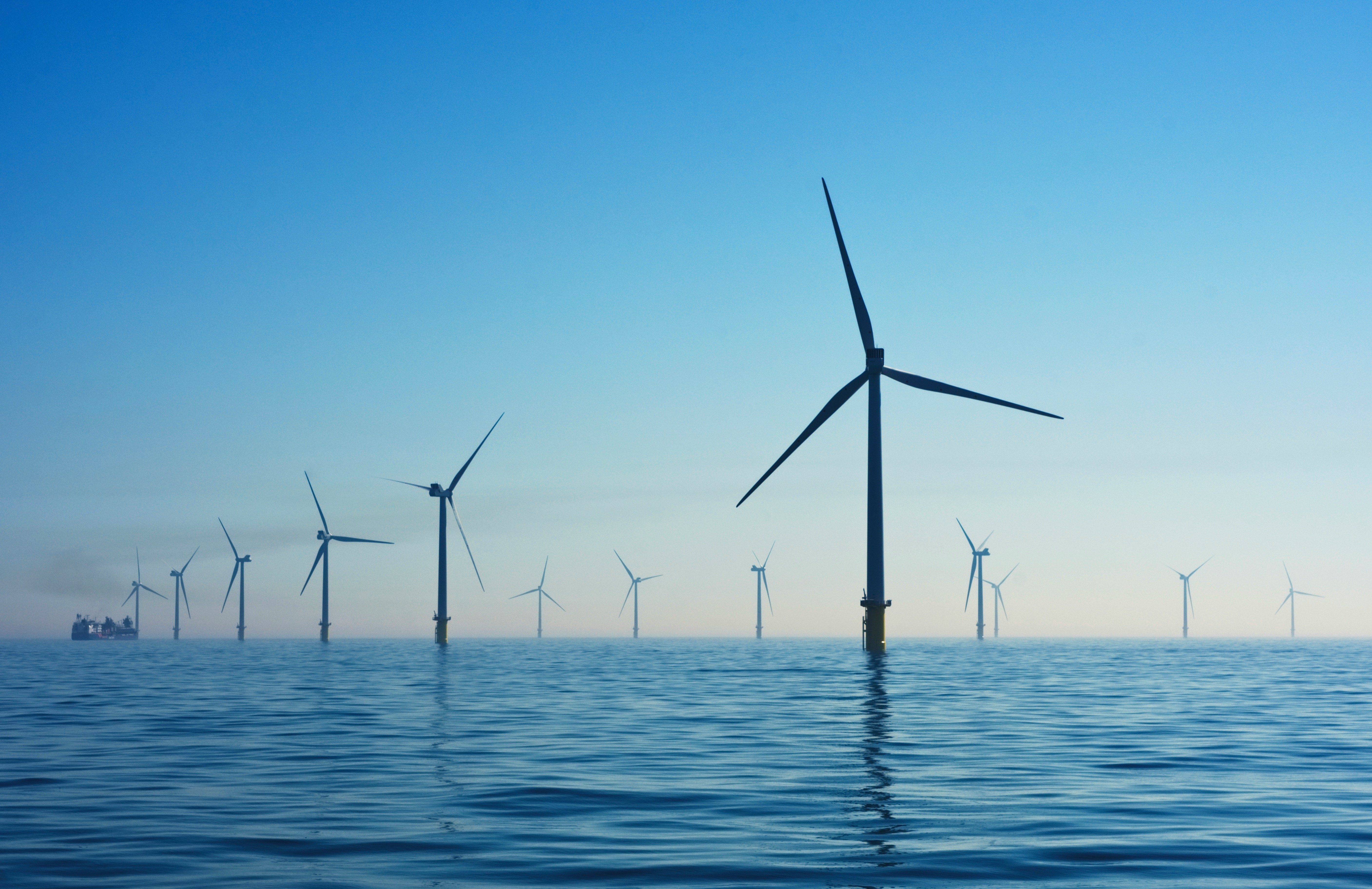
The government keeps trying to woo bidders to set up offshore wind projects, even though big tenders have been cancelled and developers have shown little interest.
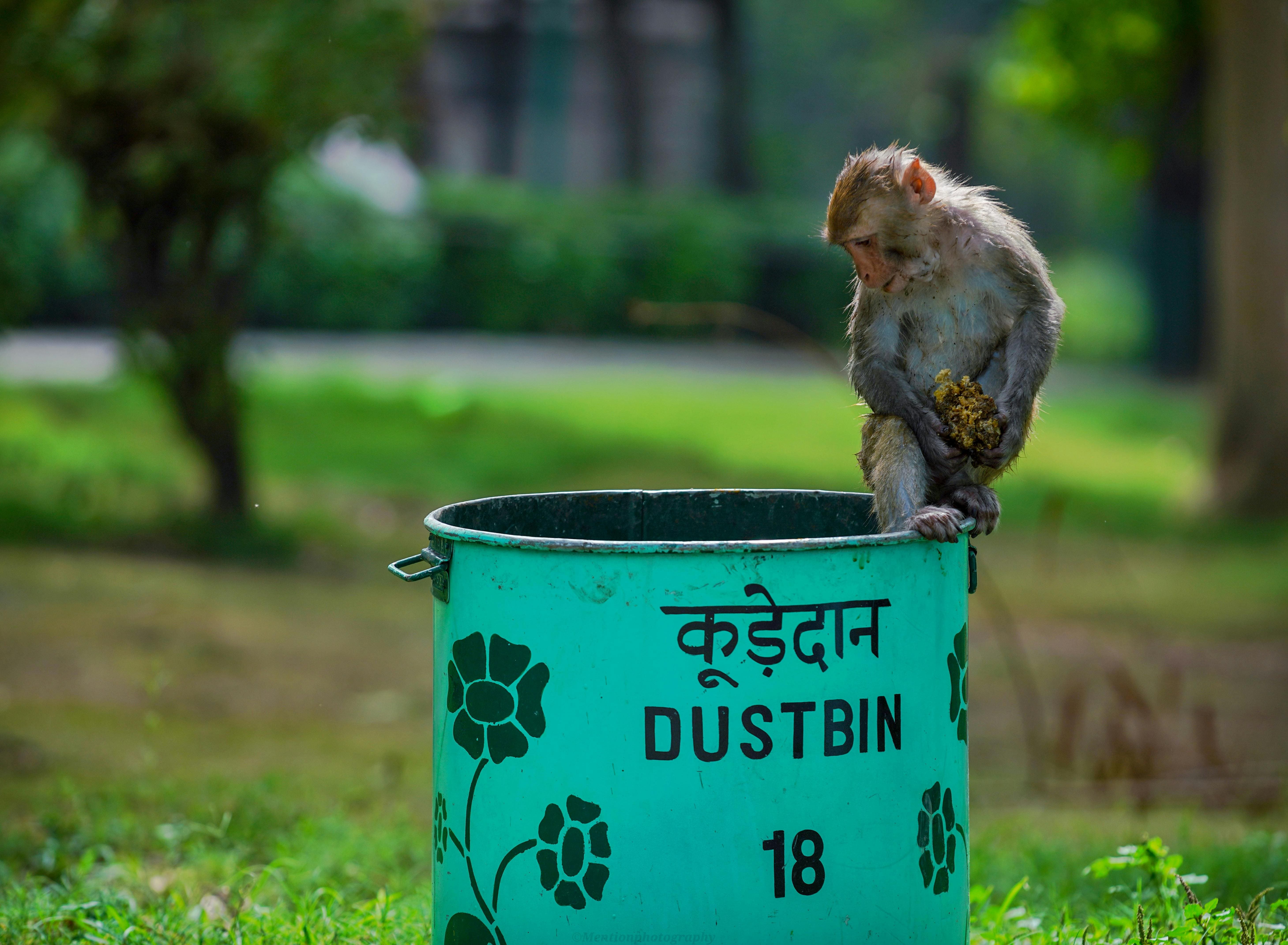
The Kanjurmarg landfill, operated by Antony Waste Handling Cell Ltd., is safe from the axe for now. But its fate remains a major source of worry for the company's shareholders and the city's residents alike.
The window to prevent the worst impacts of climate change has shut. The heat is on global leaders at the annual climate talks in Brazil to deliver more than just theatre.
The government keeps trying to woo bidders to set up offshore wind projects, even though big tenders have been cancelled and developers have shown little interest.
The Kanjurmarg landfill, operated by Antony Waste Handling Cell Ltd., is safe from the axe for now. But its fate remains a major source of worry for the company's shareholders and the city's residents alike.