/
•
•
Detailed stories on technology startups, business and economic current affairs.
The National Green Tribunal has suspended a plan to expand the Kaiga atomic power plant in the absence of a study of its impact on the fragile ecosystem.


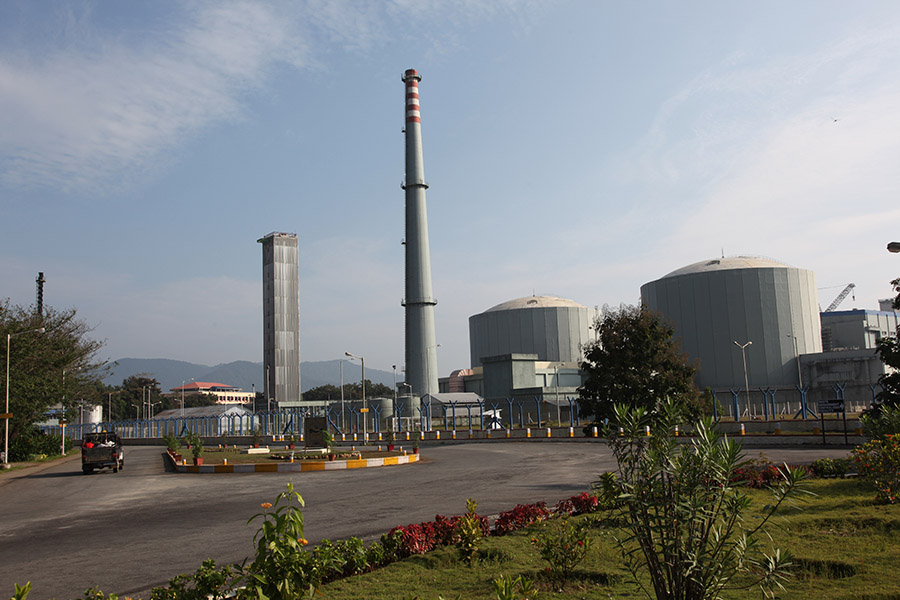
The Western Ghats are home to hundreds of unique plants, birds, reptiles as well as wild animals, dense forests, waterfalls, cliffs… and a nuclear power plant. Commissioned in the year 2000 in Karnataka’s coastal Karwar taluka, the Kaiga atomic power plant is located in one of the world’s hottest biodiversity hotspots. The plant required clearing evergreen forests in a tiger habitat. Its reactors are cooled by water drawn from the Kali river that originates in the ghats and courses past forests that have, since 2007, been designated as a tiger reserve.
This would look like a horror story for lovers …


In one of its worst years yet, India’s largest winemaker is facing headwinds on all fronts and has little by way of a plan.
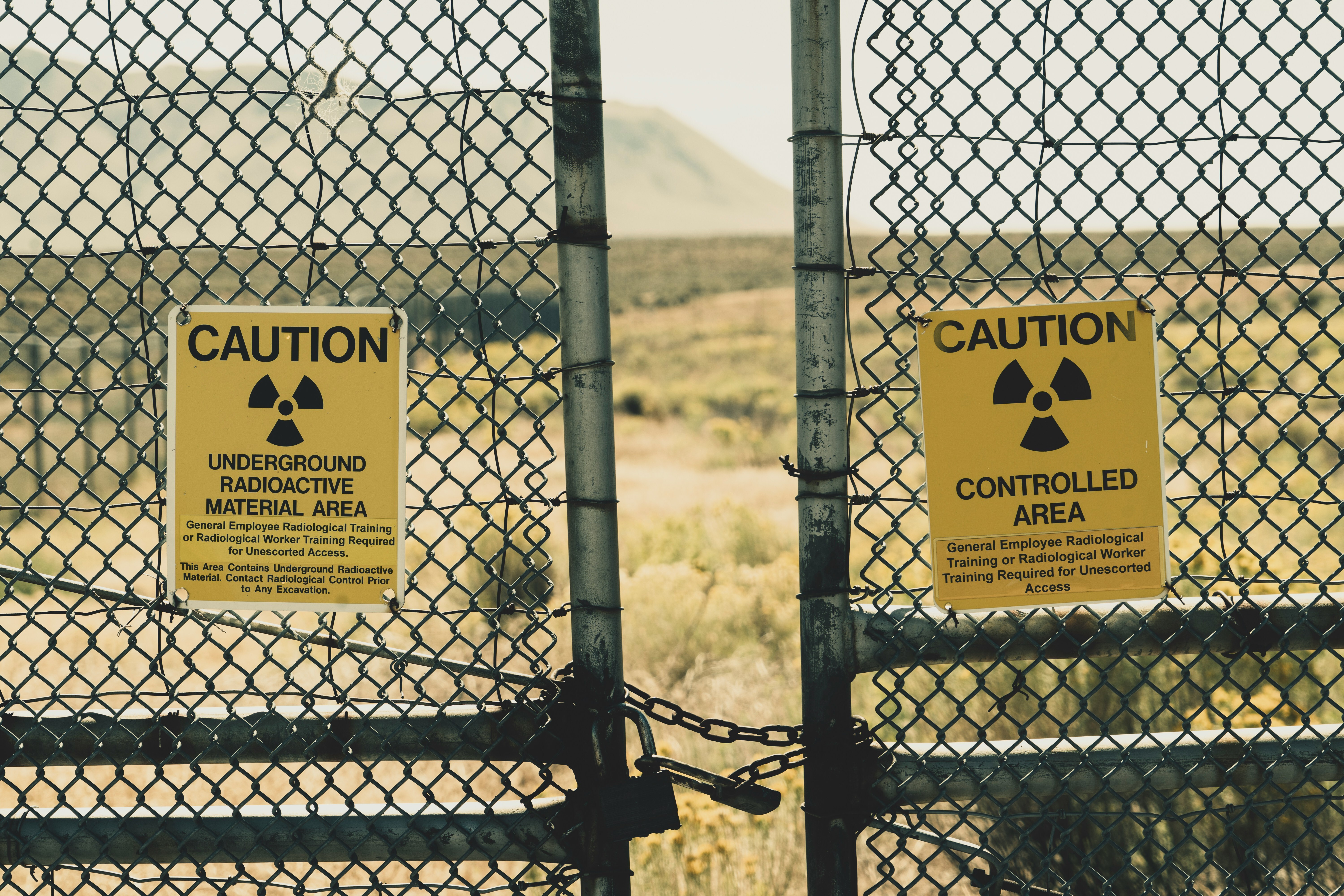
India’s new nuclear law caps corporate liability, weakens oversight and leaves taxpayers to foot the bill when things go wrong.
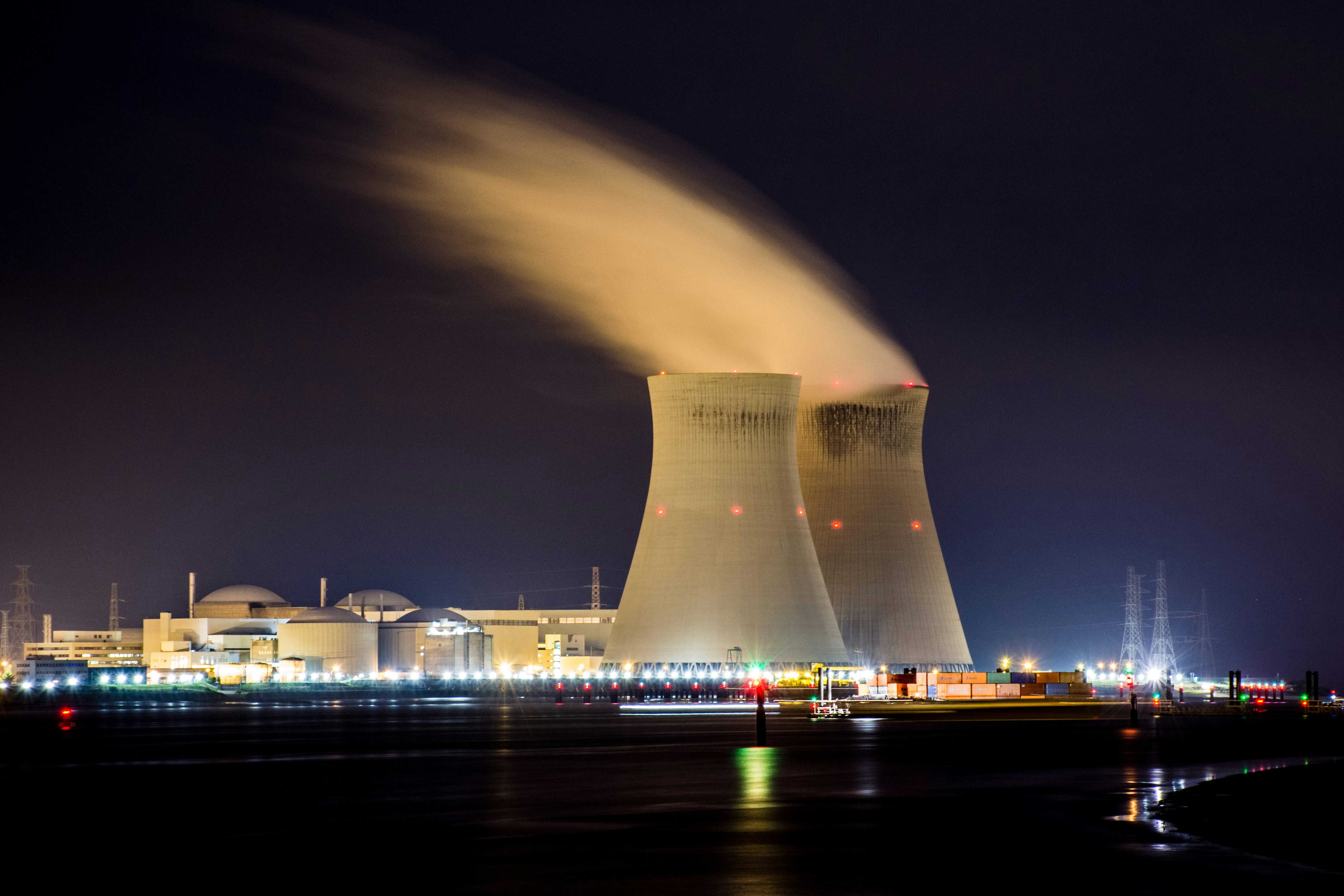
As India prepares to throw open its nuclear sector to private players, the conglomerate is taking position. But the technology, economics and risks look far tougher than anything it has scaled so far.