/
•
•
Detailed stories on technology startups, business and economic current affairs.
Winning the tender to redevelop the sprawling slum three-and-a-half years after losing to a consortium puts his group on course to becoming a top real estate player in Mumbai.




Dharavi, a 2.5 sq. km area in Mumbai that houses 80,000-90,000 families and countless small scale units, is back in the headlines. The sprawling slum, which has captured the imagination of filmgoers over the years as the underbelly of India’s financial capital whose residents alternate between hope and despair, could soon be razed to the ground.
The reason: The Ahmedabad-based Adani group, which has grown by leaps and bounds in the last six years in terms of expanding into highly regulated industries such as airports and ports, has won the very tender it lost three-and-a-half years ago.
The tender to …

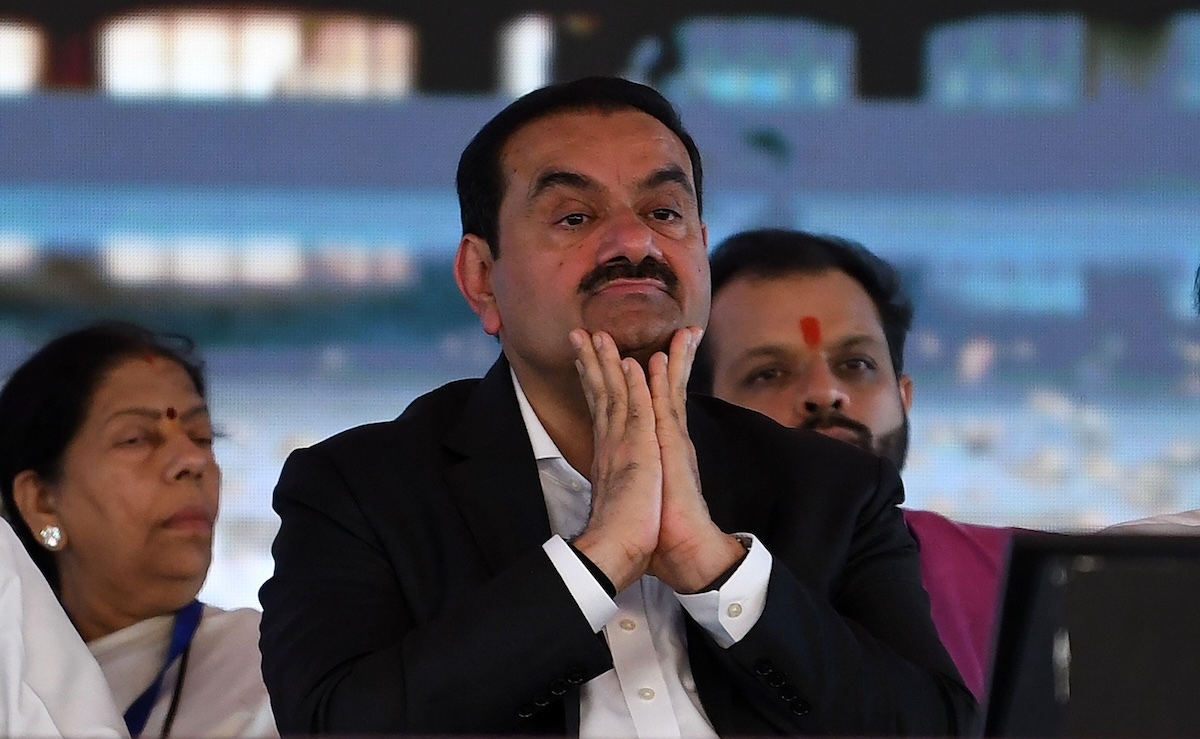
A regulatory easing could see the billionaire’s conglomerate move from running airports to owning an airline—an idea he is warming up to, with multiple options open.
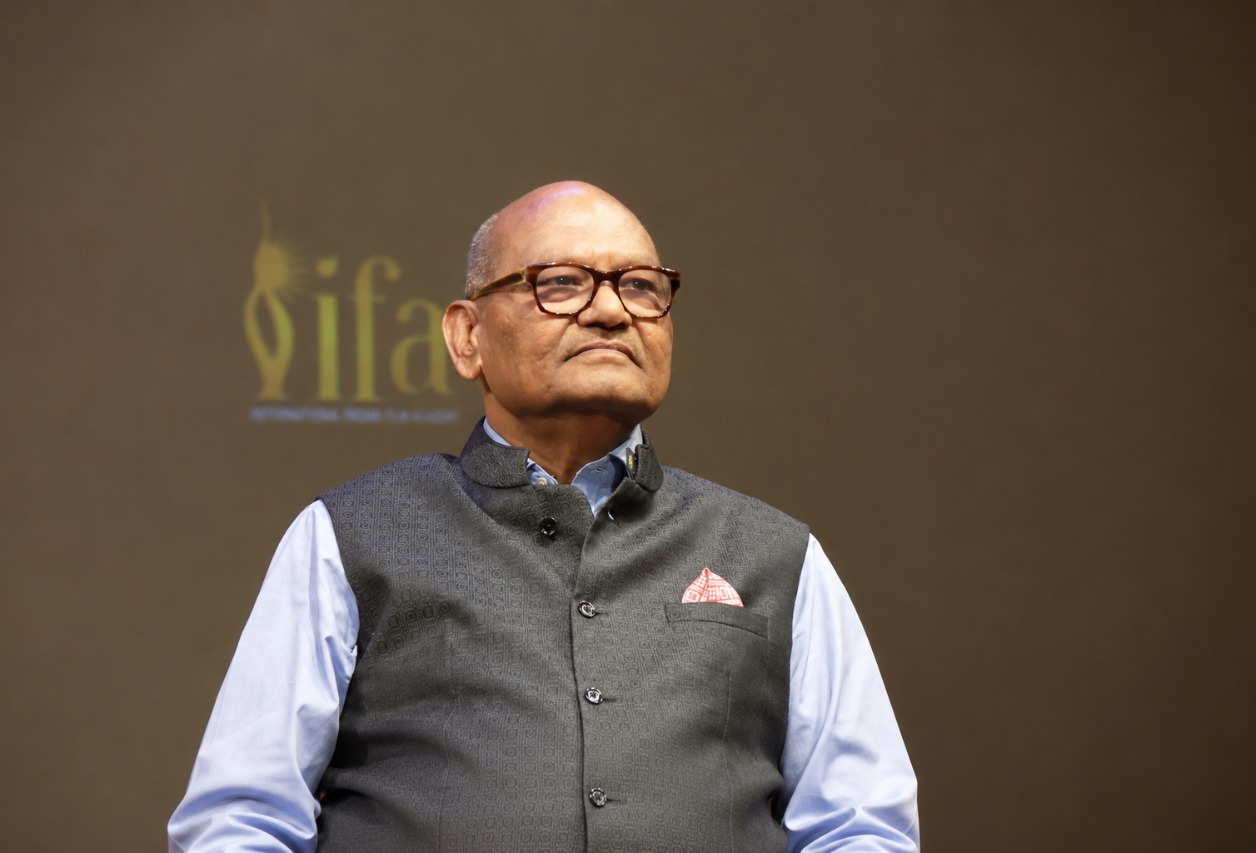
After a strong listing, Vedanta Aluminium Metal is running into some headwinds. Aluminium prices are easing, but the sharper challenge is rising competition from Kumar Mangalam Birla and Gautam Adani.
FY26 numbers show that Airtel is stealing a march on its larger rival on most counts and is unrelenting in its ambition, casting a cloud on Jio’s valuation.