/
•
•
Detailed stories on technology startups, business and economic current affairs.
In trying to keep costs in check at his loss-making airline, chairman Ajay Singh may have created a toxic work atmosphere and poor safety culture.



Chief of flight safety is a critical position at an airline. The person has to ensure safety practices, keep an eye peeled for any incident or accident, and do a prompt investigation if one takes place. In nearly all airlines, the post is held by a senior captain or industry veteran with decades of experience.
SpiceJet, India’s second largest low-cost carrier, also has one. But few are convinced of the choice chairman and managing director Ajay Singh has made in Anushree Varma. It’s not just because Varma had flight incidents in the past. “Nearly all pilots have an incident or …
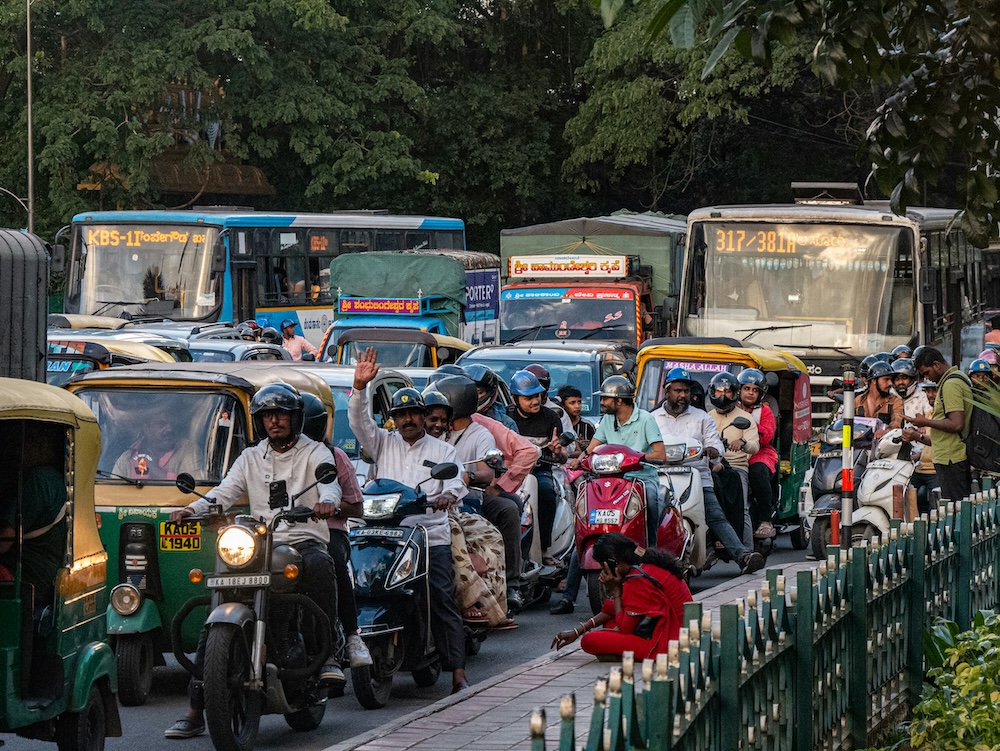
A churn in venture capital collides with the fear of missing the AI wave, while the Ajay Singh-led airline’s recurring crises raise deeper questions.
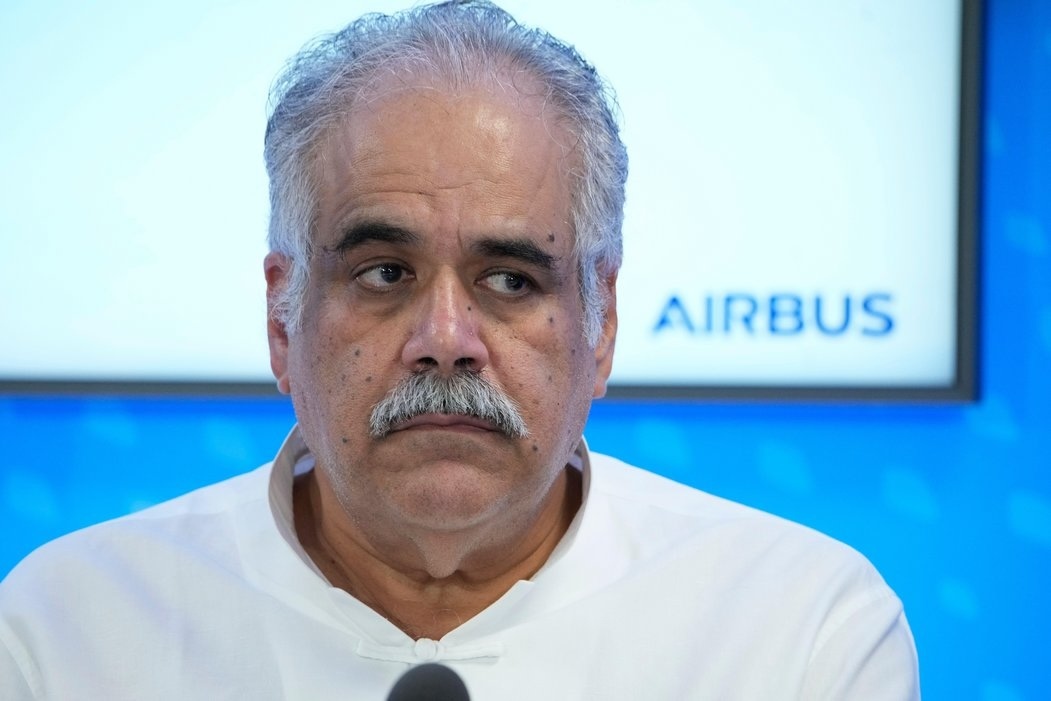
A drop in employee costs, despite the need to hire pilots under the new DGCA norms, raises fresh concerns about IndiGo’s staffing, and its vulnerability to a December 2025-scale disruption.
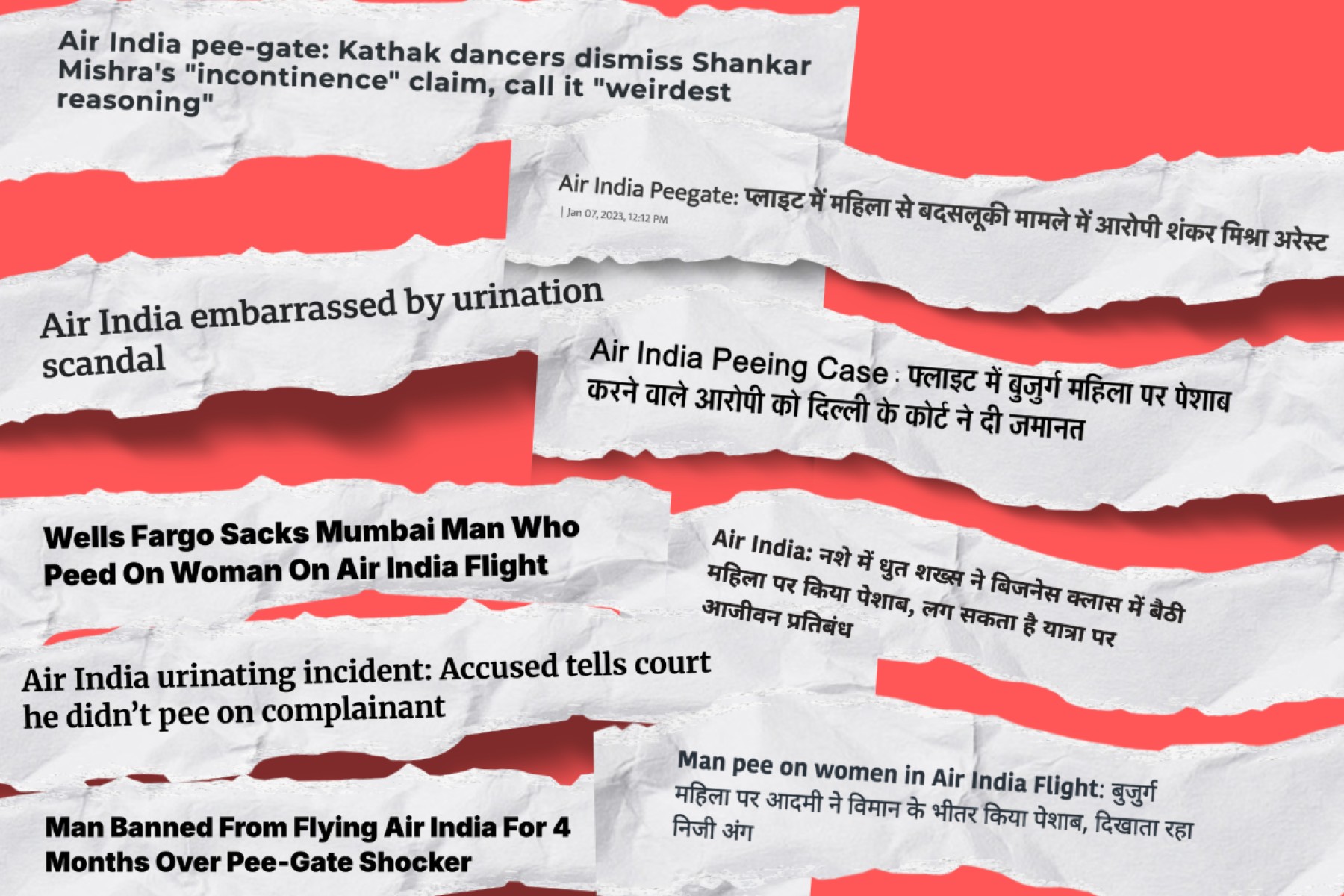
Nearly four years after the unsavoury incident that created a national furore, the alleged offender’s life has come undone. He has been defeated by a system that does not deem him worthy of transparency or a chance at finding closure.