/
•
•
Detailed stories on technology startups, business and economic current affairs.
Its acquisition of Patanjali Ayurved’s lucrative food business on a slump sale basis is expected to immediately bump up its profits and valuation. That can only mean good tidings for the yoga guru.


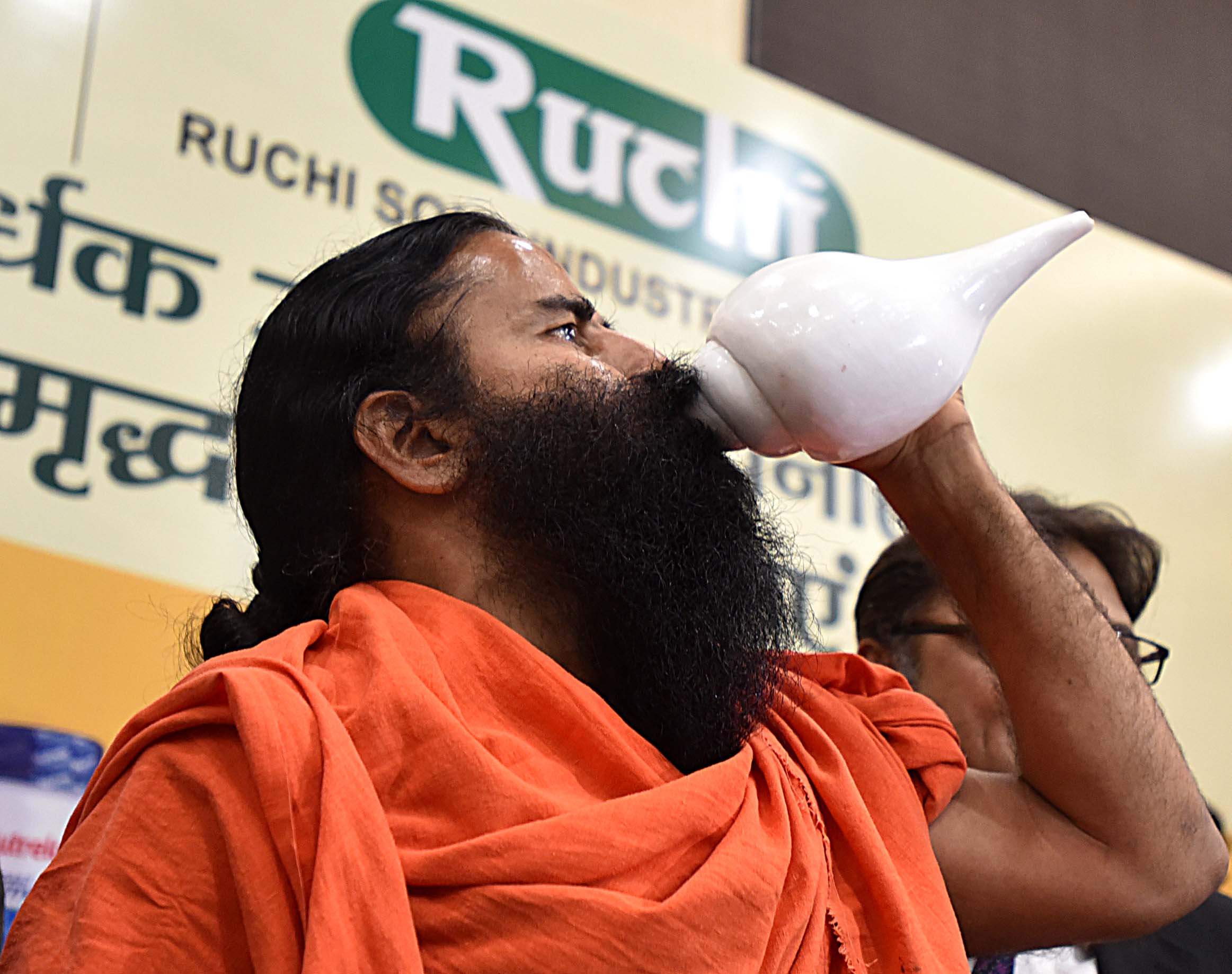
Editor's note: In 2019, Baba Ramdev pulled off a coup. He convinced public sector banks to lend him over Rs 3,000 crore to buy a bankrupt Ruchi Soya for Rs 4,350 crore. In March this year, he launched a follow-on public offer of the company’s shares to raise Rs 4,300 crore to help pay off its debt. Ruchi Soya is now valued at Rs 37,500 crore and the yoga guru, who owns an 81% stake in the company with others, is a billionaire many times over. All with little skin in the game. Last week, Ramdev struck again. This time, he inked a deal to sell the fast-growing packaged food business of Patanjali Ayurved to Ruchi Soya (to be renamed Patanjali Foods). The food business—comprising 21 products, including ghee, honey, spices, juices and flour—contributed Rs 4,124 crore in revenue to Patanjali Ayurved’s 2020-21 revenue of Rs 10,600 crore, or about 40%, and grew 28% over the previous year. Yet, Ruchi Soya will fork out only Rs 690 crore on a slump sale basis. Valuations of packaged consumer goods businesses, which are intrinsically …
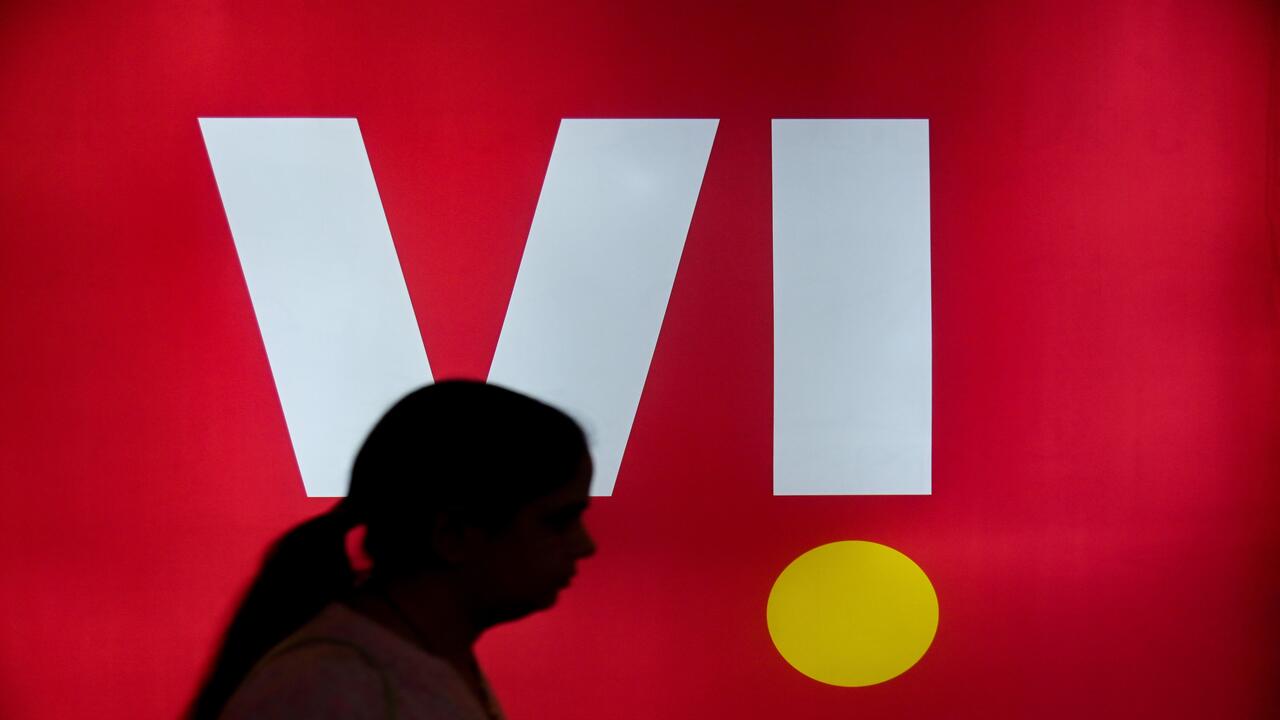
Its acquisition of Patanjali Ayurved’s lucrative food business on a slump sale basis is expected to immediately bump up its profits and valuation. That can only mean good tidings for the yoga guru.
Editor's note: In 2019, Baba Ramdev pulled off a coup. He convinced public sector banks to lend him over Rs 3,000 crore to buy a bankrupt Ruchi Soya for Rs 4,350 crore. In March this year, he launched a follow-on public offer of the company’s shares to raise Rs 4,300 crore to help pay off its debt. Ruchi Soya is now valued at Rs 37,500 crore and the yoga guru, who owns an 81% stake in the company with others, is a billionaire many times over. All with little skin in the game. Last week, Ramdev struck again. This time, he inked a deal to sell the fast-growing packaged food business of Patanjali Ayurved to Ruchi Soya (to be renamed Patanjali Foods). The food business—comprising 21 products, including ghee, honey, spices, juices and flour—contributed Rs 4,124 crore in revenue to Patanjali Ayurved’s 2020-21 revenue of Rs 10,600 crore, or about 40%, and grew 28% over the previous year. Yet, Ruchi Soya will fork out only Rs 690 crore on a slump sale basis. Valuations of packaged consumer goods businesses, which are intrinsically …
Investors expect the FMCG major to get back on the growth track in the quarters ahead, but protecting margins at the same time could be tough.

The consumer goods giant’s performance has been in a funk for a long time. Fund managers need to stop giving it a long rope.

The recent spat between the two brands brings to the fore the stiff competition in the largely unregulated skincare industry.
Investors expect the FMCG major to get back on the growth track in the quarters ahead, but protecting margins at the same time could be tough.
The consumer goods giant’s performance has been in a funk for a long time. Fund managers need to stop giving it a long rope.
The recent spat between the two brands brings to the fore the stiff competition in the largely unregulated skincare industry.