/
•
•
Detailed stories on technology startups, business and economic current affairs.
The CEO of the lender that was near collapse opens up about the challenges of the turnaround.




Prashant Kumar looks relaxed, sitting in his eighth floor office at the Yes Bank headquarters that overlooks the runway of Mumbai’s Chhatrapati Shivaji Maharaj International Airport. The office is an aviation geek’s delight, its glass walls offering a front-row view of planes landing and taking off.
For the first time since he took the reins in 2020, the Yes Bank chief executive is probably enjoying the view. Recently, the Reserve Bank of India approved the extension of his tenure for another three years. The central bank also removed the nominee directors it had appointed to the board of Yes Bank, …
The beleaguered lender outperformed larger rivals—and itself—on several metrics in FY26, but one-offs and a still weak retail engine keep its investors on edge.
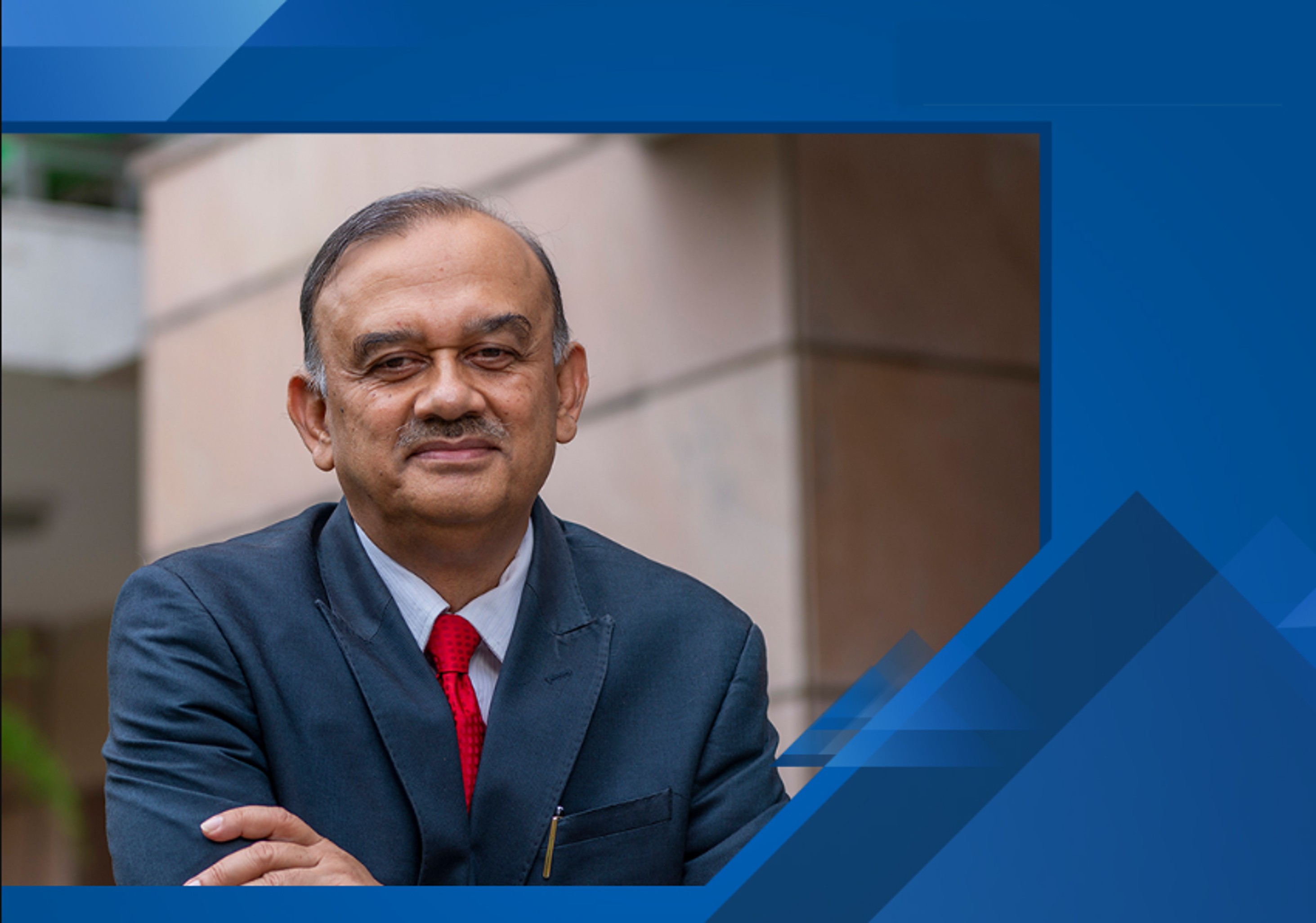
Atanu Chakraborty’s resignation does not appear as damaging as the bank’s response to it. The ‘all is well’ narrative needs an independent audit.
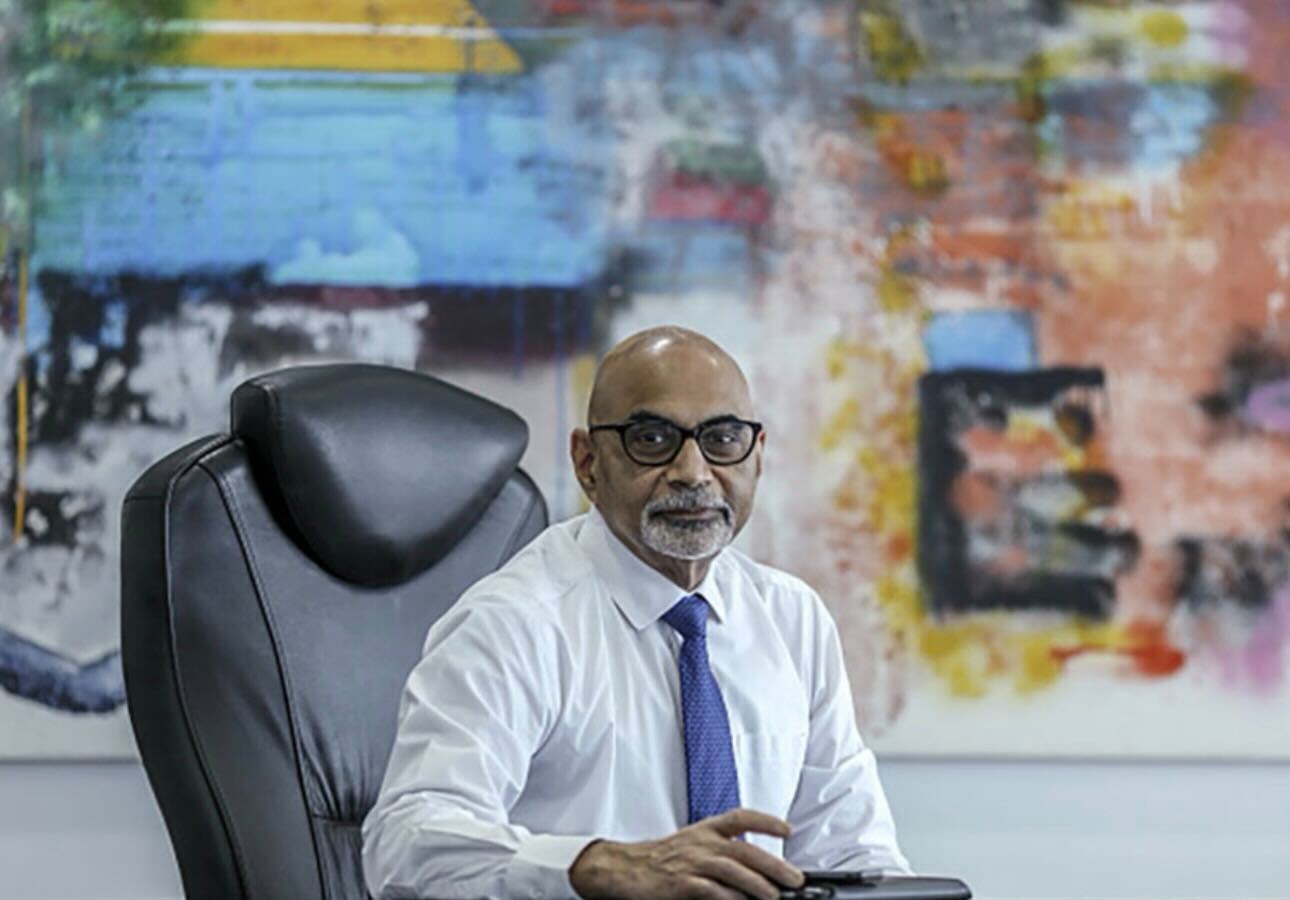
As Prashant Kumar’s term runs out, boardroom fault lines have left the lender with no clarity on its next CEO—spooking investors and drawing the RBI’s ire.