/
•
•
Detailed stories on technology startups, business and economic current affairs.
The brand that revolutionized baby care is spreading itself too thin in the pursuit of rapid growth



Editor's note: Five hundred crore rupees in revenue. In three years. That’s the target the Alaghs have set for themselves. The couple, Ghazal and Varun, both in their 30s, are like most young startup founders. Full of ideas, hard-working (they work on Saturdays too), sincere and passionate. Worked off the couch or bed in their home during the lockdown. Even so, their ambition stands out, sometimes bordering on the outrageous. Nearly four years ago, while looking for natural and toxin-free baby products for their son, they realized a few things. First, none of the Indian brands had products that were free of harmful synthetic compounds. Second, getting such products from outside India was cumbersome. And finally, several middle-class parents, including them, were still getting them shipped from abroad. The Alaghs decided to start their own line of baby products. They registered a company called Honasa Consumer Pvt. Ltd in September 2016 and launched Mamaearth three months later. The brand was positioned as one built by parents, for parents. It became Asia’s first brand to be certified by Made Safe, a non-toxic seal …

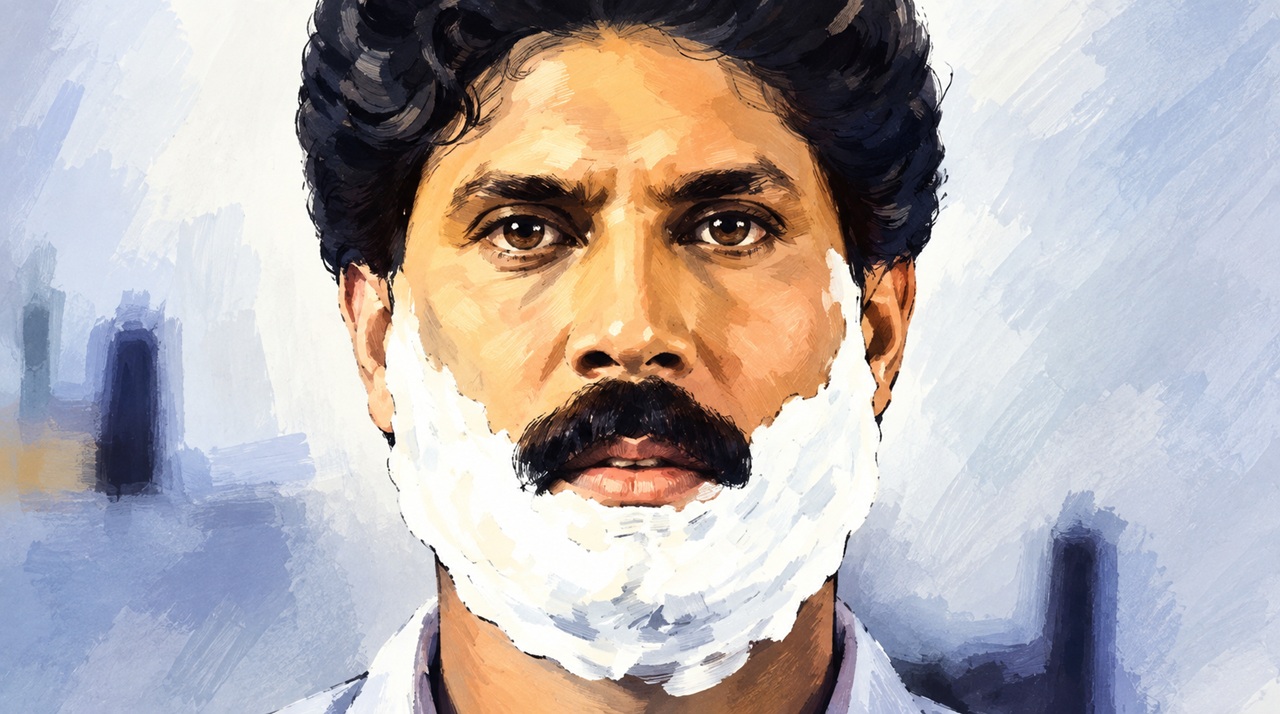
Colgate ties up with 100Days.co to scale Palmolive online. But the long overlooked brand may need more than a digital push.

Vish Narain of Pulsar Capital on spotting real synergies between India and the Gulf, and why many entrepreneurs read the market wrong.
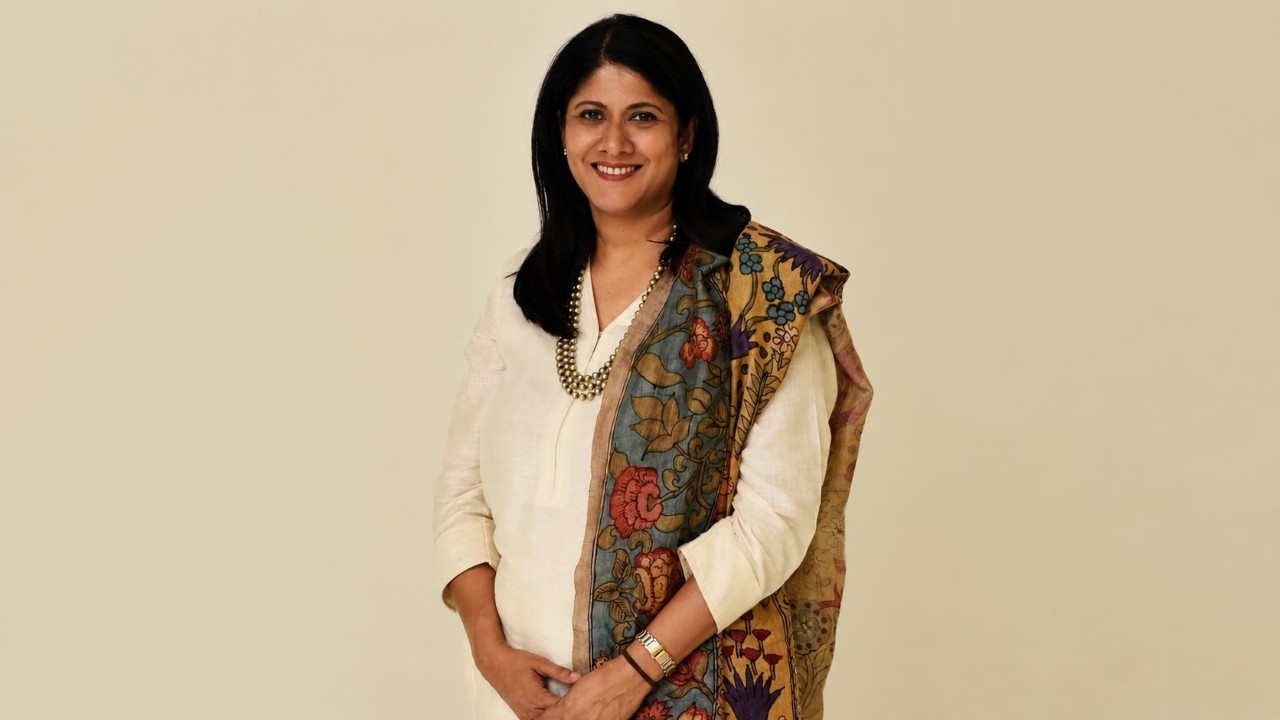
Investors expect the FMCG major to get back on the growth track in the quarters ahead, but protecting margins at the same time could be tough.