/
•
•
Detailed stories on technology startups, business and economic current affairs.
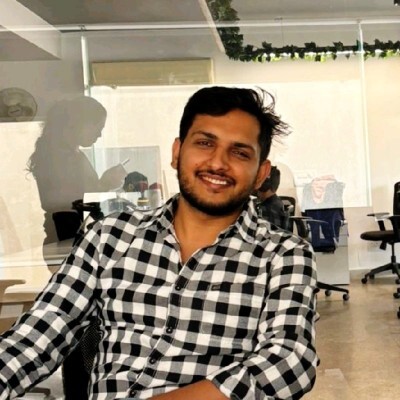
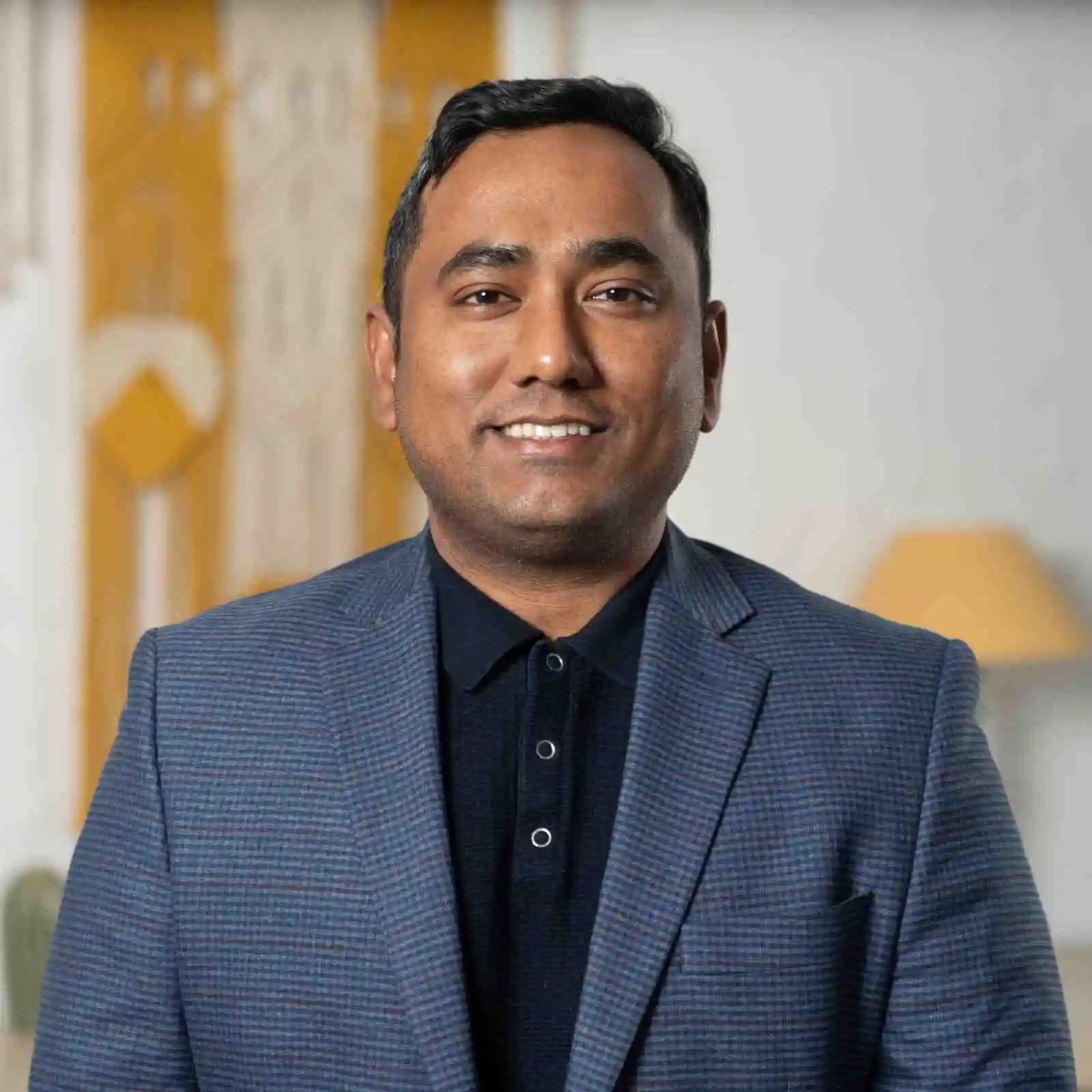
The billionaire co-founder of Flipkart’s quest for a full banking licence is one paper away from fruition. What are his chances?



Editor's note: In September 2019, the co-founder of India’s star e-commerce, Sachin Bansal, was not the first suitor of an insurance business that was on the block. Beleaguered home finance company DHFL’s parent WGC was selling its stake in its general insurance unit to bring down its liabilities and wanted to exit quickly. Another tech entrepreneur, Paytm’s Vijay Shekhar Sharma, was already at the door offering more money, but wouldn’t sign the dotted line until December. But WGC could not wait and decided to exclusively deal with Bansal as he seemed a surer suitor. The due diligence prolonged and it was not until January that the deal was done for Rs 220 crore (most papers reported the deal was worth only Rs 100 crore). At the last minute, there was a serious hitch. Authorities at the Insurance Regulatory and Development Authority of India realized that Bansal’s company Navi Technologies could not be cleared “fit-and-proper” as its earlier application to be a non-banking financial company, or NBFC, was pending before the Reserve Bank of India. IRDA did not want to pre-empt the RBI. …
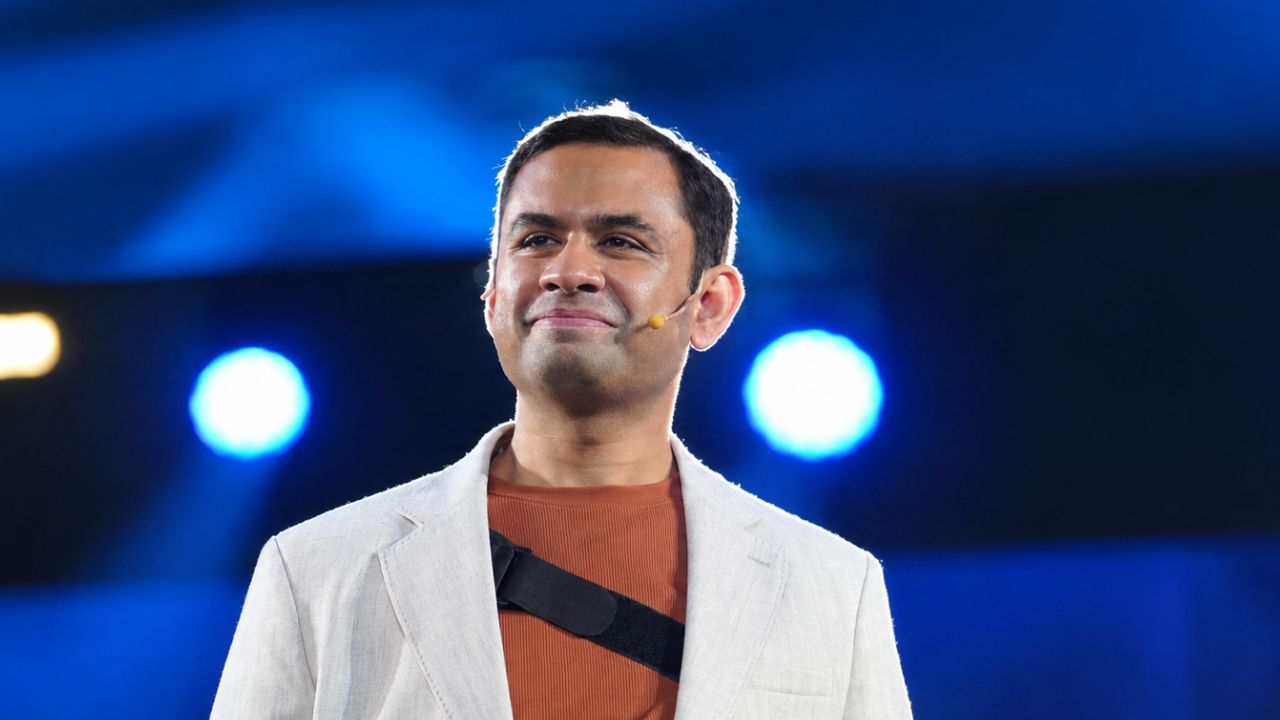
The billionaire co-founder of Flipkart’s quest for a full banking licence is one paper away from fruition. What are his chances?
Editor's note: In September 2019, the co-founder of India’s star e-commerce, Sachin Bansal, was not the first suitor of an insurance business that was on the block. Beleaguered home finance company DHFL’s parent WGC was selling its stake in its general insurance unit to bring down its liabilities and wanted to exit quickly. Another tech entrepreneur, Paytm’s Vijay Shekhar Sharma, was already at the door offering more money, but wouldn’t sign the dotted line until December. But WGC could not wait and decided to exclusively deal with Bansal as he seemed a surer suitor. The due diligence prolonged and it was not until January that the deal was done for Rs 220 crore (most papers reported the deal was worth only Rs 100 crore). At the last minute, there was a serious hitch. Authorities at the Insurance Regulatory and Development Authority of India realized that Bansal’s company Navi Technologies could not be cleared “fit-and-proper” as its earlier application to be a non-banking financial company, or NBFC, was pending before the Reserve Bank of India. IRDA did not want to pre-empt the RBI. …

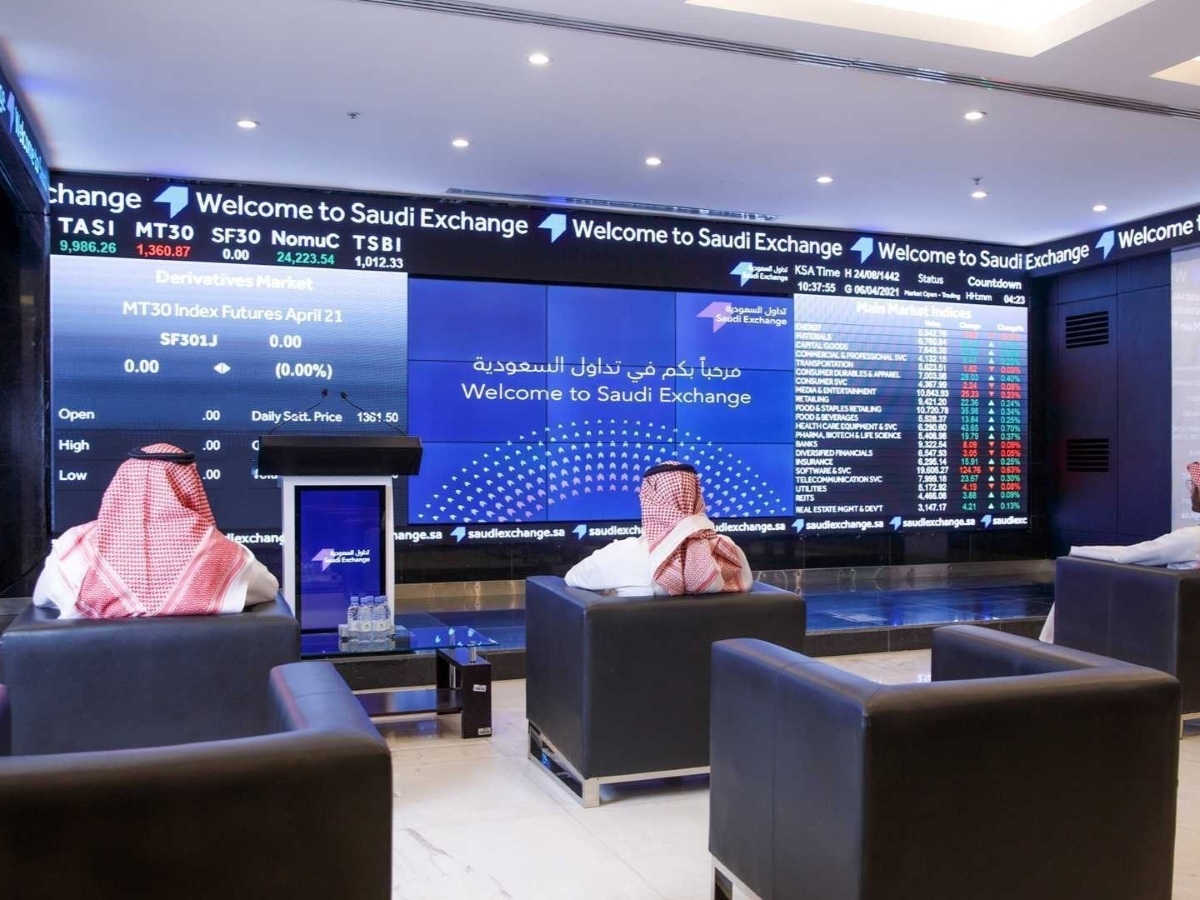
The newly announced levy on UPI payments undermines the very foundation of using digital payments for stock market investing. Brokers are in a tizzy.
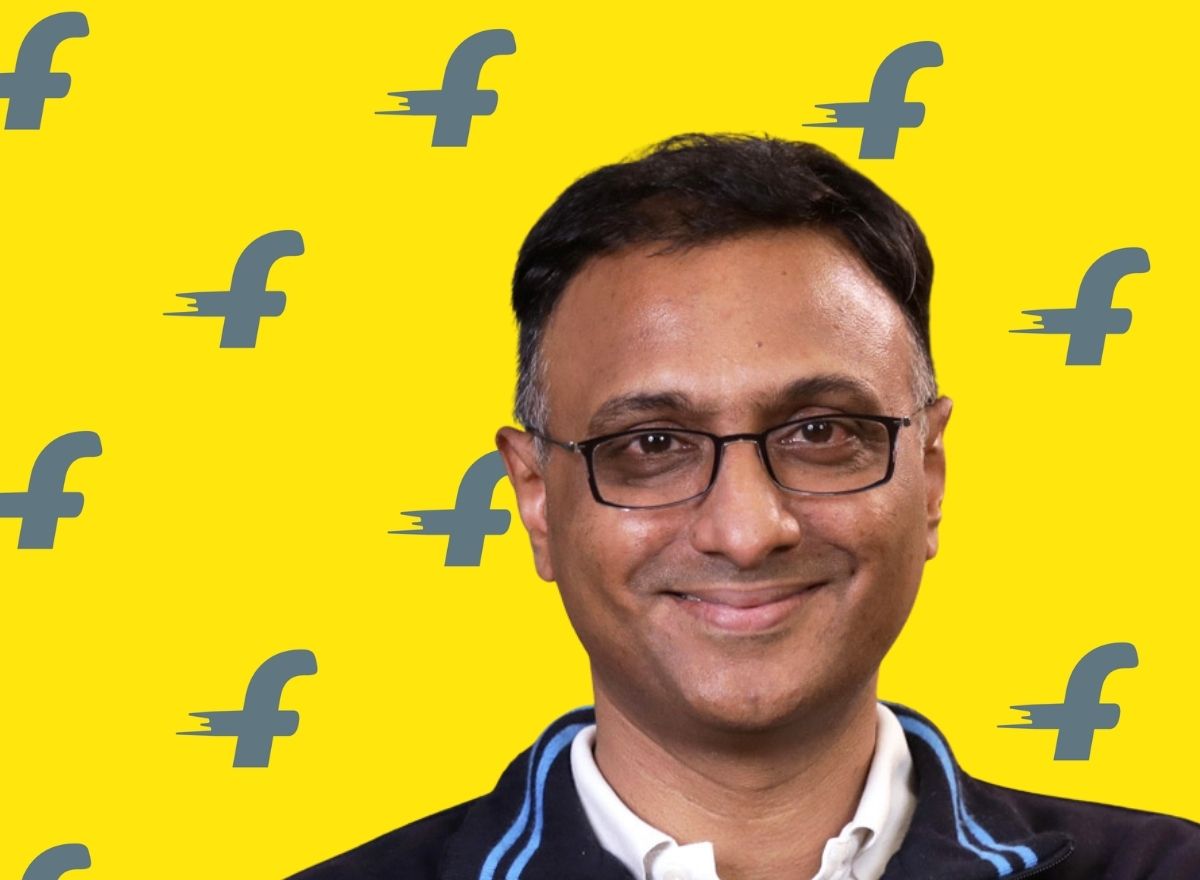
The Walmart-owned e-commerce company has entered microdramas and food delivery. Is it thinking long-term or just chasing a trend?
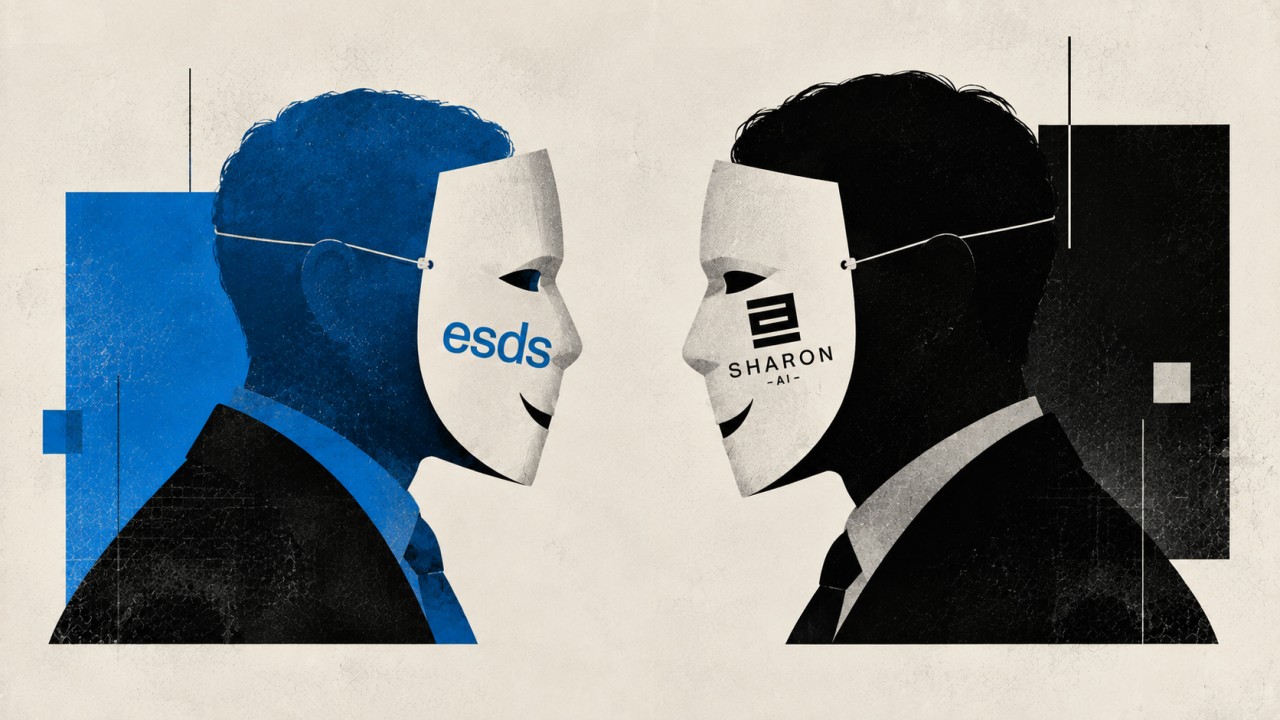
A churn in venture capital collides with the fear of missing the AI wave, while the Ajay Singh-led airline’s recurring crises raise deeper questions.
The newly announced levy on UPI payments undermines the very foundation of using digital payments for stock market investing. Brokers are in a tizzy.
The Walmart-owned e-commerce company has entered microdramas and food delivery. Is it thinking long-term or just chasing a trend?
A churn in venture capital collides with the fear of missing the AI wave, while the Ajay Singh-led airline’s recurring crises raise deeper questions.