/
•
•
Detailed stories on technology startups, business and economic current affairs.
Not quite yet. But as the new management steers it out of the woods, shareholders may have reason to smile again.



Editor's note: It was 14 March 2020, a Saturday, just nine days after the Reserve Bank of India had moved to save what was then India’s fourth largest private bank—Yes Bank—from collapse. The previous day, a rescue plan for the bank had been given the go-ahead. The bank was now slated to announce the much-delayed third quarter results for 2019-20. The results were anticipated before noon. Inside the head office of Yes Bank at One Indiabulls Centre in Lower Parel, Mumbai, Prashant Kumar, the then administrator of the bank, was taking stock of the situation. He wanted to provide for all the bad loans in one go, and hence, was taking a close look at the mess on the books, occasionally breaking for calls from the RBI and the government regarding the bailout package. The results finally came late that night, after a delay of 12 hours. Unlike under previous managements led by Rana Kapoor and Ravneet Gill—when media management was a key pillar of the bank's policies—there were no media interactions. The results portrayed a grim picture: there was a run …

Not quite yet. But as the new management steers it out of the woods, shareholders may have reason to smile again.
Editor's note: It was 14 March 2020, a Saturday, just nine days after the Reserve Bank of India had moved to save what was then India’s fourth largest private bank—Yes Bank—from collapse. The previous day, a rescue plan for the bank had been given the go-ahead. The bank was now slated to announce the much-delayed third quarter results for 2019-20. The results were anticipated before noon. Inside the head office of Yes Bank at One Indiabulls Centre in Lower Parel, Mumbai, Prashant Kumar, the then administrator of the bank, was taking stock of the situation. He wanted to provide for all the bad loans in one go, and hence, was taking a close look at the mess on the books, occasionally breaking for calls from the RBI and the government regarding the bailout package. The results finally came late that night, after a delay of 12 hours. Unlike under previous managements led by Rana Kapoor and Ravneet Gill—when media management was a key pillar of the bank's policies—there were no media interactions. The results portrayed a grim picture: there was a run …

The central bank’s shift to a 100% collateral requirement threatens to erode leverage, reduce volumes and force a consolidation across prop desks.
The beleaguered lender outperformed larger rivals—and itself—on several metrics in FY26, but one-offs and a still weak retail engine keep its investors on edge.
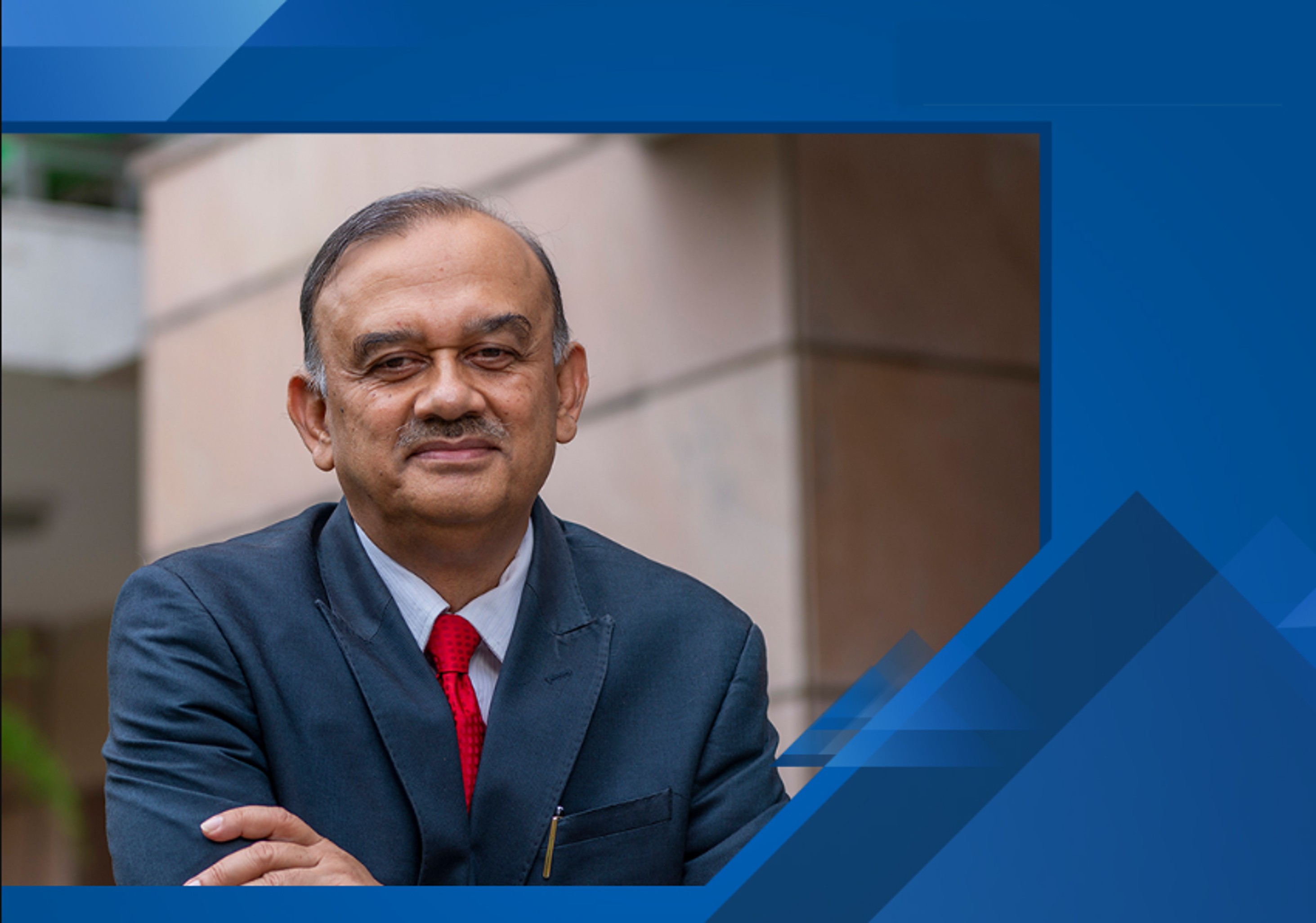
Atanu Chakraborty’s resignation does not appear as damaging as the bank’s response to it. The ‘all is well’ narrative needs an independent audit.
The central bank’s shift to a 100% collateral requirement threatens to erode leverage, reduce volumes and force a consolidation across prop desks.
The beleaguered lender outperformed larger rivals—and itself—on several metrics in FY26, but one-offs and a still weak retail engine keep its investors on edge.
Atanu Chakraborty’s resignation does not appear as damaging as the bank’s response to it. The ‘all is well’ narrative needs an independent audit.