/
•
•
Detailed stories on technology startups, business and economic current affairs.



Editor's note: Much heat has been generated over the slippery events at edible oil maker Ruchi Soya Industries Ltd, which emerged from bankruptcy earlier this year only to set the bourses on fire with a sizzling run that saw its stock price scale unprecedented levels. With its new owner—Patanjali Ayurved Ltd, the consumer goods company launched by the yoga guru known as Baba Ramdev—holding 99% of the stock, leaving barely a few hundred thousand shares to be traded, perhaps the run on the stock could be ascribed to the hope that under Ramdev’s watch the company that had been run aground under founder Dinesh Shahra would effect a sensational turnaround. Perhaps there was an expectation of a reverse merger with Patanjali. Indeed, when ace investor Shankar Sharma told CNBC-TV18, “Ruchi Soya is giving me sleepless nights. How could I miss it?”, it seemed to suggest that the yoga guru may have made a shrewd purchase. Yet the bankruptcy proceedings, the sale itself, the role of the lenders and of course the unusual stock price movement, detailed in this excellent Outlook Business report, …

Editor's note: Much heat has been generated over the slippery events at edible oil maker Ruchi Soya Industries Ltd, which emerged from bankruptcy earlier this year only to set the bourses on fire with a sizzling run that saw its stock price scale unprecedented levels. With its new owner—Patanjali Ayurved Ltd, the consumer goods company launched by the yoga guru known as Baba Ramdev—holding 99% of the stock, leaving barely a few hundred thousand shares to be traded, perhaps the run on the stock could be ascribed to the hope that under Ramdev’s watch the company that had been run aground under founder Dinesh Shahra would effect a sensational turnaround. Perhaps there was an expectation of a reverse merger with Patanjali. Indeed, when ace investor Shankar Sharma told CNBC-TV18, “Ruchi Soya is giving me sleepless nights. How could I miss it?”, it seemed to suggest that the yoga guru may have made a shrewd purchase. Yet the bankruptcy proceedings, the sale itself, the role of the lenders and of course the unusual stock price movement, detailed in this excellent Outlook Business report, …

A month on, CAS has only amplified volatility, manipulation and confusion rather than containing them.
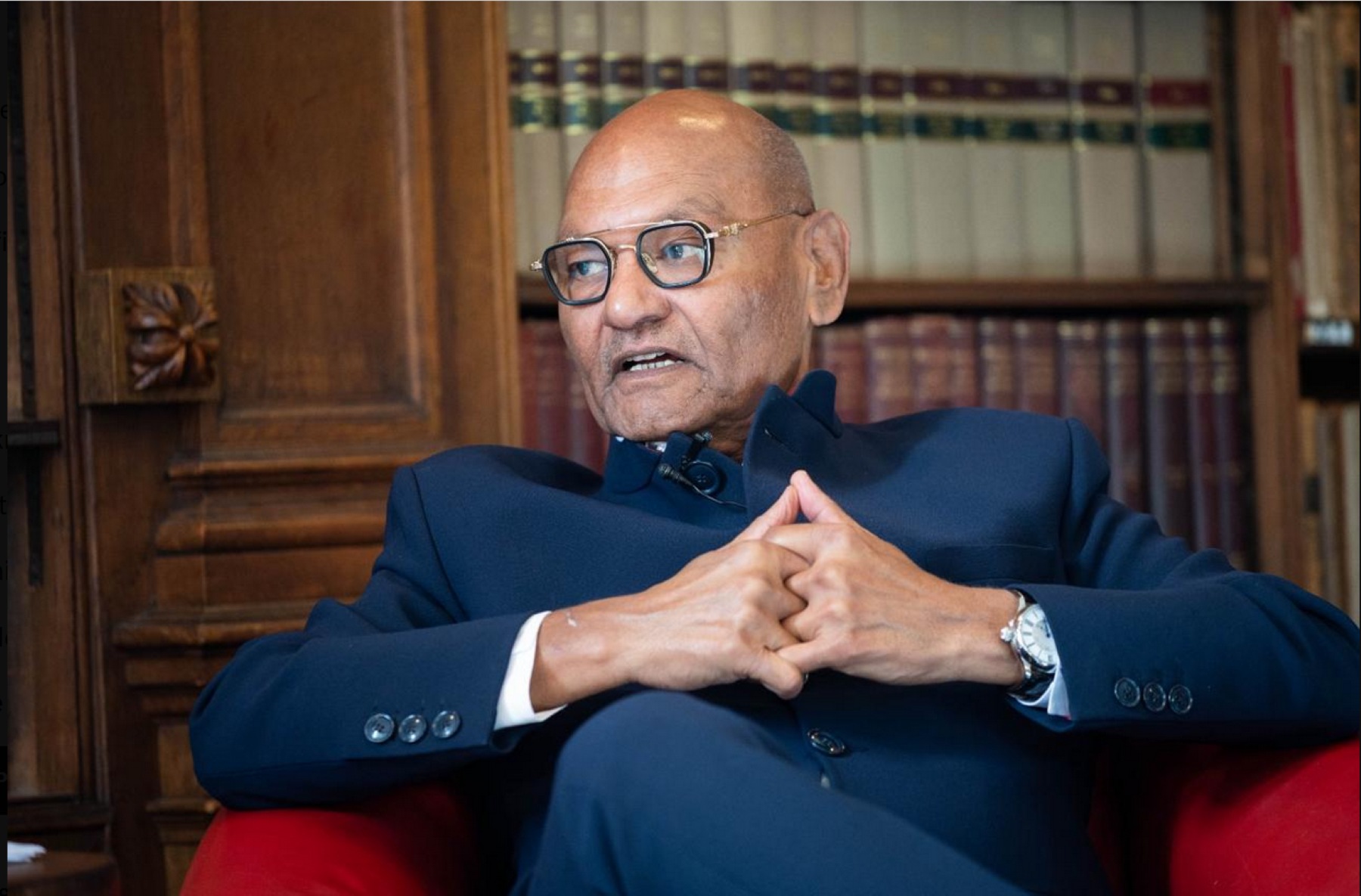
Despite a higher offer, creditors chose Gautam Adani’s Adani Enterprises—setting up a courtroom fight that raises questions over the bankruptcy resolution process’s priorities.

Jane Street’s alleged manipulation should not overshadow the fact that there is a lot more to the affair. Besides the US trading firm, NSE also needs to answer questions.
A month on, CAS has only amplified volatility, manipulation and confusion rather than containing them.
Despite a higher offer, creditors chose Gautam Adani’s Adani Enterprises—setting up a courtroom fight that raises questions over the bankruptcy resolution process’s priorities.
Jane Street’s alleged manipulation should not overshadow the fact that there is a lot more to the affair. Besides the US trading firm, NSE also needs to answer questions.