/
•
•
Detailed stories on technology startups, business and economic current affairs.
While both giants are set to spend billions in the nascent industry, the Mukesh Ambani-led conglomerate has a clear advantage over the Adani group.



Editor's note: This week, billionaires Gautam Adani and Mukesh Ambani made big announcements on their competing efforts to produce green hydrogen as a fuel. Adani said his group will set up three gigafactories in India to make solar modules, wind turbines and hydrogen electrolysers. Meanwhile, Reliance Industries announced that it will buy a majority stake in California-based solar energy software developer SenseHawk, as part of its renewable energy initiatives. Both announcements are key to boosting the two conglomerates’ clean energy ambitions, for which they are pouring billions of dollars. In all, Reliance Industries will invest $10 billion (roughly Rs 80,000 crore) over the next three years, while the Adani group will spend $70 billion (about Rs 5.6 lakh crore) over the next decade towards clean energy. To this end, both companies have made it clear that they want to capture the country’s green hydrogen ecosystem. The plan is to build an entire value chain around green hydrogen—from solar modules and wind turbines to battery packs—and use the technology as an alternative to fossil fuels. What is green hydrogen? The universe’s most abundant …

While both giants are set to spend billions in the nascent industry, the Mukesh Ambani-led conglomerate has a clear advantage over the Adani group.
Editor's note: This week, billionaires Gautam Adani and Mukesh Ambani made big announcements on their competing efforts to produce green hydrogen as a fuel. Adani said his group will set up three gigafactories in India to make solar modules, wind turbines and hydrogen electrolysers. Meanwhile, Reliance Industries announced that it will buy a majority stake in California-based solar energy software developer SenseHawk, as part of its renewable energy initiatives. Both announcements are key to boosting the two conglomerates’ clean energy ambitions, for which they are pouring billions of dollars. In all, Reliance Industries will invest $10 billion (roughly Rs 80,000 crore) over the next three years, while the Adani group will spend $70 billion (about Rs 5.6 lakh crore) over the next decade towards clean energy. To this end, both companies have made it clear that they want to capture the country’s green hydrogen ecosystem. The plan is to build an entire value chain around green hydrogen—from solar modules and wind turbines to battery packs—and use the technology as an alternative to fossil fuels. What is green hydrogen? The universe’s most abundant …

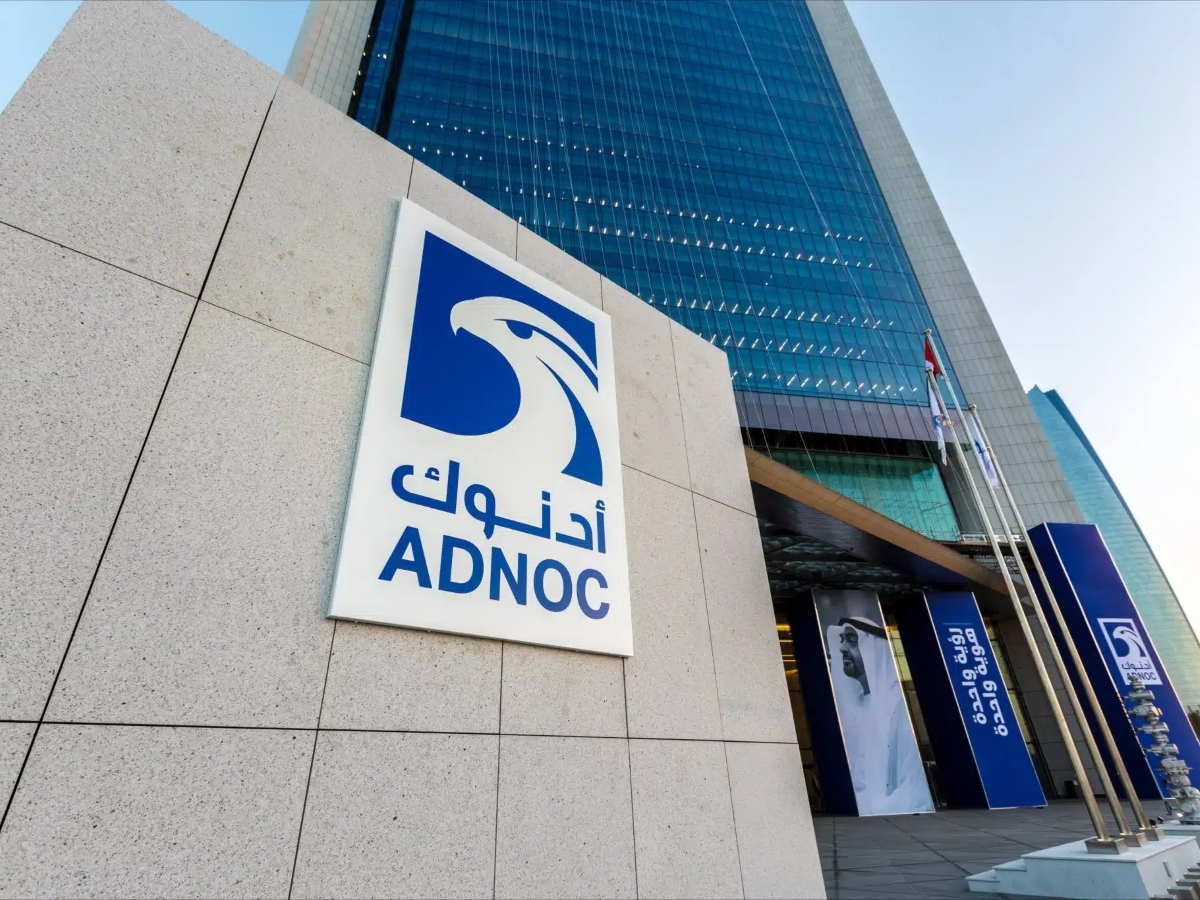
ADNOC’s strong numbers underline a strategy built on higher output, shipping gains and new routes that sidestep the risky Strait of Hormuz.

Instead of going after scale like Jio, the Sunil Bharti Mittal-led telecom giant is chasing a smaller but higher-quality customer base to grow its home broadband segment. Will the bet pay off?
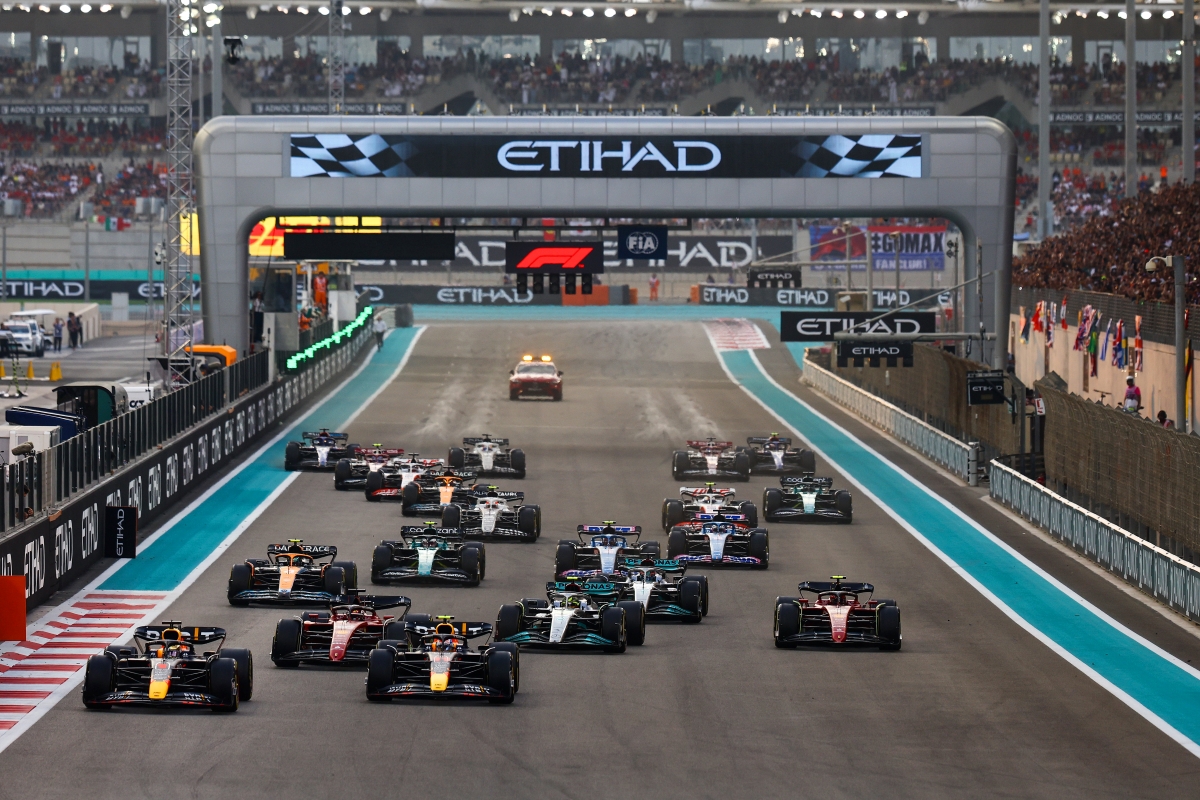
From cancelled races to scrambled calendars, the Iran conflict is testing an over two-decade partnership that powered the sport’s growth.
ADNOC’s strong numbers underline a strategy built on higher output, shipping gains and new routes that sidestep the risky Strait of Hormuz.
Instead of going after scale like Jio, the Sunil Bharti Mittal-led telecom giant is chasing a smaller but higher-quality customer base to grow its home broadband segment. Will the bet pay off?
From cancelled races to scrambled calendars, the Iran conflict is testing an over two-decade partnership that powered the sport’s growth.