/
•
•
Detailed stories on technology startups, business and economic current affairs.
The planned merger of the two low-cost carriers comes with red flags for the Tata group’s grand plans for its aviation business under Air India.



Editor's note: In the Tata group’s ambitious plan to make its vast but disjointed aviation business an industry leader, AirAsia India seems like the smallest, and easiest, piece of the puzzle. Mired in losses, the low-cost airline has never managed to live up to the hype, despite having two big promoters in Tata Sons and Malaysia-based AirAsia Berhad. Launched in 2013, AirAsia India saw its market share peak at 7%; it now hovers at around 6%. Its fleet has shrunk in a market where others are adding capacity. Besides, some of its recent practices to cut costs have shaved off the little equity it enjoyed with customers. The Tata group now has an opportunity to set things right. In June, the Competition Commission of India approved Air India’s acquisition of AirAsia India, paving the way for the Tata-owned airline to pick up the Malaysian budget carrier’s remaining 16.3% stake in the joint venture. The next step is to merge the loss-making entity with Air India’s low-cost arm, Air India Express, which mostly connects southern Indian cities to destinations in the Middle East. …

The planned merger of the two low-cost carriers comes with red flags for the Tata group’s grand plans for its aviation business under Air India.
Editor's note: In the Tata group’s ambitious plan to make its vast but disjointed aviation business an industry leader, AirAsia India seems like the smallest, and easiest, piece of the puzzle. Mired in losses, the low-cost airline has never managed to live up to the hype, despite having two big promoters in Tata Sons and Malaysia-based AirAsia Berhad. Launched in 2013, AirAsia India saw its market share peak at 7%; it now hovers at around 6%. Its fleet has shrunk in a market where others are adding capacity. Besides, some of its recent practices to cut costs have shaved off the little equity it enjoyed with customers. The Tata group now has an opportunity to set things right. In June, the Competition Commission of India approved Air India’s acquisition of AirAsia India, paving the way for the Tata-owned airline to pick up the Malaysian budget carrier’s remaining 16.3% stake in the joint venture. The next step is to merge the loss-making entity with Air India’s low-cost arm, Air India Express, which mostly connects southern Indian cities to destinations in the Middle East. …
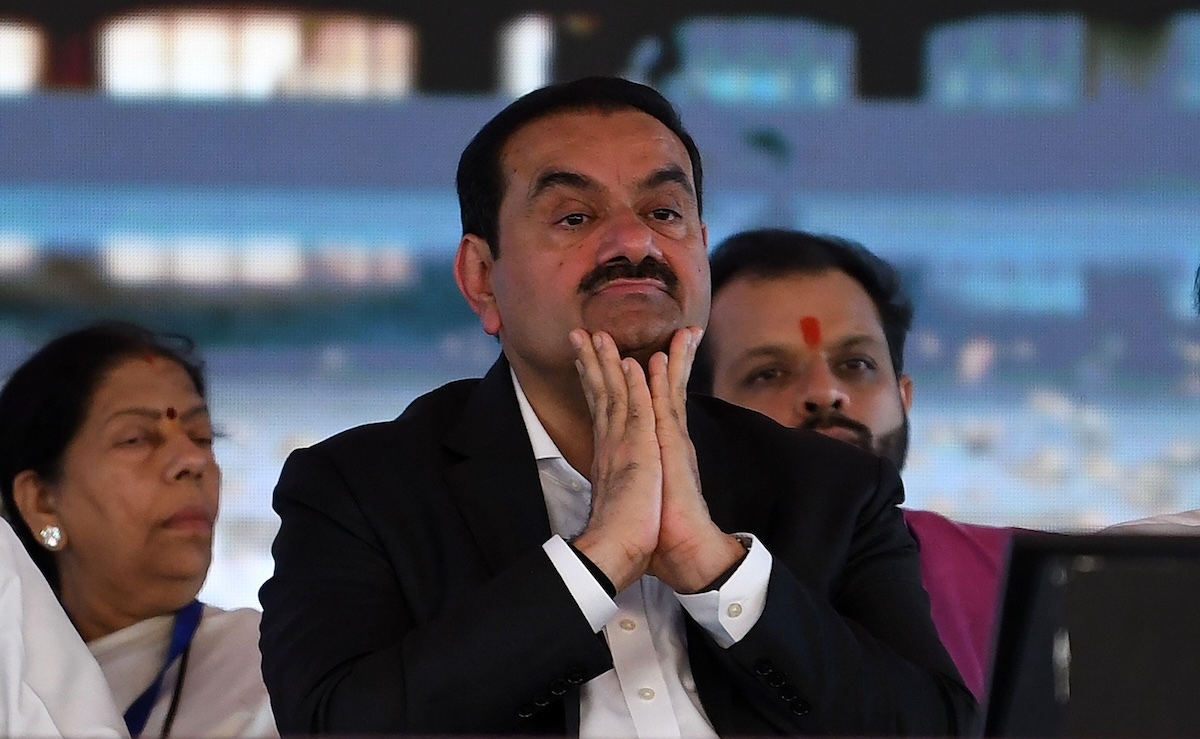
A regulatory easing could see the billionaire’s conglomerate move from running airports to owning an airline—an idea he is warming up to, with multiple options open.

The Manoj Chacko-led regional airline has had a promising start. Will the lessons of the past keep it on course while it expands?

The Tata Group’s silence and absence from Ahmedabad on the first anniversary of India’s worst air disaster risks putting a dent in its much-vaunted value system.
A regulatory easing could see the billionaire’s conglomerate move from running airports to owning an airline—an idea he is warming up to, with multiple options open.
The Manoj Chacko-led regional airline has had a promising start. Will the lessons of the past keep it on course while it expands?
The Tata Group’s silence and absence from Ahmedabad on the first anniversary of India’s worst air disaster risks putting a dent in its much-vaunted value system.